正在确认阅读权限…
Historical Humanities Extension: Independent Reading (2026-D034)
历史人文延展阅读·独立成篇(2026-D034)
-
In Oaxaca, Mexico, the Guelaguetza festival transforms indigenous Zapotec and Mixtec reciprocity principles into large-scale public performance and resource redistribution.在墨西哥瓦哈卡州,瓜拉古埃察节将当地萨波特克族和米斯特克族的互惠原则转化为大规模的公共展演与资源再分配。
-
Families contribute maize, textiles, or labor months in advance—not as donations but as binding social debt acknowledged through formalized gift exchange protocols.各家庭数月前便贡献玉米、纺织品或劳力——并非捐赠,而是通过正式化礼物交换规则确认的社会债务。
-
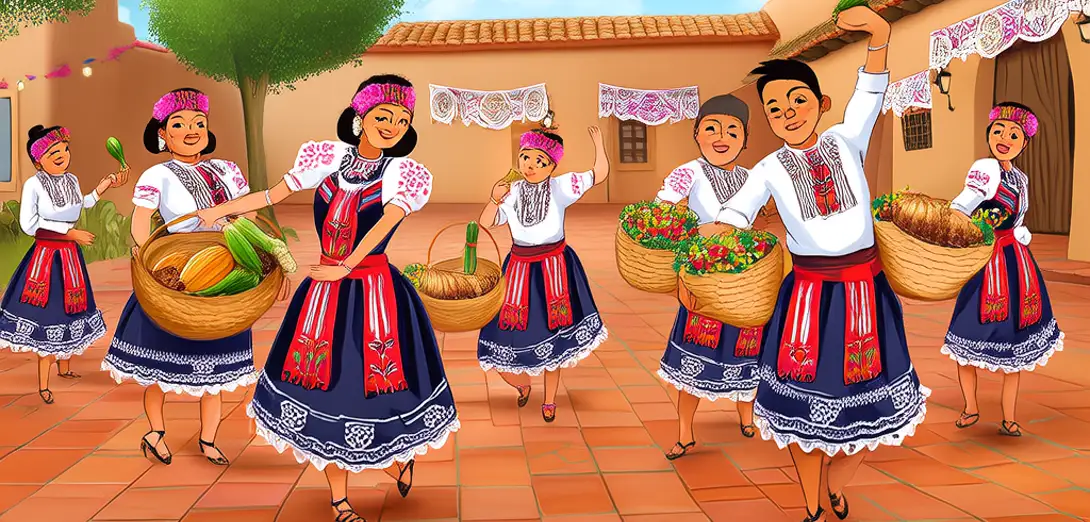
Each regional delegation performs distinct danzas that encode territorial boundaries, agricultural cycles, and pre-Hispanic cosmologies rarely translated for foreign audiences.每个地区代表团表演独特的舞蹈,其中蕴含着地域边界、农耕周期及鲜为外国观众所知的前西班牙时期宇宙观。
-
Since its 1932 institutionalization, the event has balanced state promotion with grassroots resistance—indigenous organizers retain veto power over script revisions and sponsorship terms.自1932年制度化以来,该活动在政府推广与草根抵抗之间保持平衡——原住民组织者对剧本修改和赞助条款拥有否决权。
-
Costumes use natural dyes sourced from local cochineal insects and indigo plants, with patterns mapped directly onto ancestral land deeds archived in Monte Albán.服饰采用本地胭脂虫与靛蓝植物提取的天然染料,纹样直接对应蒙特阿尔班档案馆保存的祖传地契。
-
Unlike tourist-oriented spectacles, Guelaguetza’s climax involves collective feasting where no single family eats before all others receive equal portions from shared clay vessels.与面向游客的表演不同,瓜拉古埃察的高潮是集体共食:所有家庭须从共享陶器中分得均等份量后,方可进食。
-
Academic critiques highlight how bilingual signage (Zapotec/Spanish) reflects linguistic sovereignty—not translation convenience—but remains absent in English-language tourism brochures.学界指出,双语标识(萨波特克语/西班牙语)体现的是语言主权,而非翻译便利性——但英语旅游手册中却全无此类标识。
-
Urban migrants returning for the festival often lead workshops reviving endangered weaving techniques suppressed during mid-twentieth-century assimilation policies.返乡参加节日的城市移民常主持工作坊,复兴曾遭二十世纪中期同化政策压制的濒危编织技艺。
-
Digital livestreams now reach diaspora communities, yet elders stipulate that broadcast time must align precisely with solar noon at Cerro del Fortín.数字直播现已覆盖散居海外的社群,但长者规定:直播时间必须严格对应埃尔福廷山正午太阳时刻。
-
The event resists commodification not by exclusion but by demanding participatory literacy—spectators who clap off-rhythm or misname dance sequences are gently corrected by neighbors.该活动并非靠排斥实现去商品化,而是要求参与者具备文化素养——节奏拍错或舞名说错的观众,会由邻座轻声纠正。
-
Its political weight derives from sustained refusal to separate culture from land tenure, education, or municipal budgeting processes.其政治分量源于长期坚持:拒绝将文化与土地权属、教育或市政预算过程割裂开来。
-
Guelaguetza thus demonstrates how ritual economy can function as both archive and infrastructure for decolonial governance.因此,瓜拉古埃察展现了仪式经济如何同时作为去殖民治理的档案与基础设施而运作。