正在确认阅读权限…
Historical Humanities Extension: Independent Reading (2026-D043)
历史人文延展阅读·独立成篇(2026-D043)
-
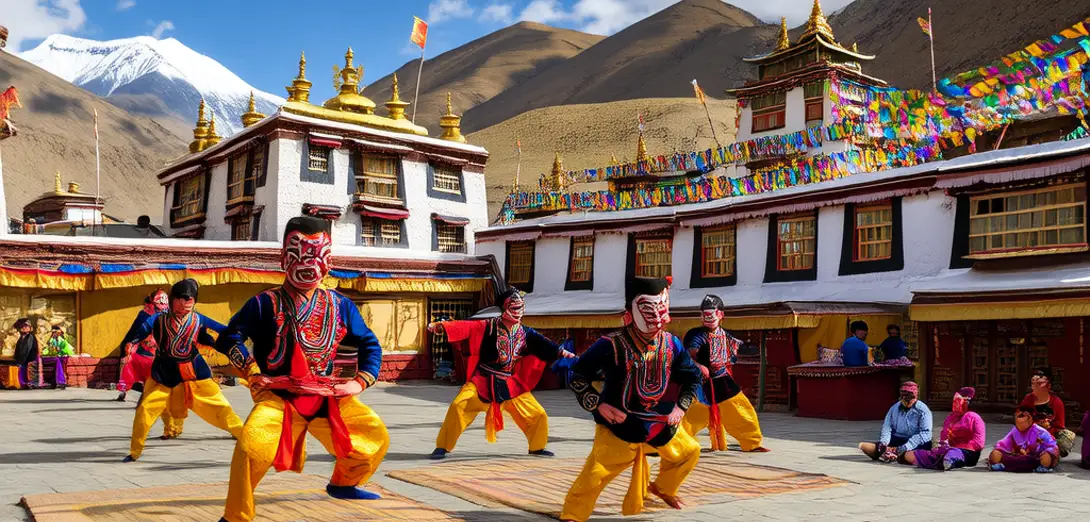
In Bhutan, the Paro Tsechu festival integrates Vajrayana Buddhist philosophy with Himalayan geopolitics through masked cham dances performed atop dzong fortress courtyards.不丹的帕罗次秋节通过在宗堡庭院中表演戴面具的羌姆舞,将金刚乘佛教哲学与喜马拉雅地缘政治融为一体。
-
Each dancer’s costume encodes precise mandala geometry, with brocade patterns calibrated to correspond to specific meditation deities and regional protector spirits.每位舞者的服饰均精确编码曼荼罗几何结构,锦缎纹样经校准,对应特定禅修本尊及地方护法神。
-
Foreign diplomats attending as official guests must sit outside the inner courtyard—reinforcing spatial hierarchies tied to spiritual readiness, not diplomatic rank.以官方嘉宾身份出席的外国外交官须坐于内院之外,以此强化与修行准备度相关、而非外交职级的空间等级秩序。
-
The unfurling of the thangka tapestry at dawn on the tenth day follows astronomical calculations unchanged since the 17th-century Zhabdrung Ngawang Namgyal’s unification decrees.第十日黎明展开唐卡巨幅画像,其时间依据天文测算,自17世纪夏仲·阿旺南杰统一法令以来从未变更。
-
Monastic training for cham dancers begins at age twelve and includes memorizing Sanskrit mantras alongside glacial meltwater mapping of Paro Valley watersheds.羌姆舞者需自十二岁起接受寺院训练,内容包括背诵梵文真言,以及绘制帕罗河谷流域冰川融水径流图。
-
Unlike secular festivals, Tsechu’s duration shifts annually based on lunar-solar alignment verified by the Je Khenpo’s astrological office—not fixed calendar dates.不同于世俗节日,次秋节持续时间每年依月相与太阳历对齐情况而定,由杰堪布星象办公室确认,而非固定公历日期。
-
Tourism revenue funds dzong restoration, yet all new murals undergo doctrinal review by the Central Monastic Body to ensure iconographic precision over aesthetic appeal.旅游收入用于宗堡修复,但所有新壁画均须经中央僧团教义审查,确保图像学精准性高于审美效果。
-
When climate change disrupted traditional barley harvest timing, monks adjusted ritual planting ceremonies while retaining symbolic seed varieties documented in 18th-century monastic ledgers.当气候变化打乱传统青稞收获时节,僧人调整了仪式性播种时间,同时保留18世纪寺院账册所载的象征性种子品种。
-
International art exhibitions featuring cham masks require loan agreements specifying humidity-controlled transport and mandatory recitation of protective mantras during transit.国际艺术展展出羌姆面具时,租借协议须明确规定恒湿运输条件,并强制要求转运途中诵念护持真言。
-
The festival’s closing ritual—burning of a symbolic effigy—references not evil but impermanence, with ashes scattered across nine village stupas following pilgrimage routes mapped in 1640.节日闭幕仪式焚烧象征性偶像,并非指向邪恶,而是昭示无常;灰烬依1640年朝圣路线分撒至九座村寺佛塔。
-
Its authority derives from continuous lineage: every current dancer traces initiation back to one of thirteen original lineages recognized in the 1637 Paro Dzong charter.其权威源于连续传承:现任每位舞者均可追溯其灌顶师承至1637年帕罗宗宪章所认定的十三支原始传承之一。
-
Paro Tsechu thus operates as constitutional ritual—performing sovereignty, ecology, and epistemology simultaneously through disciplined embodiment.帕罗次秋节因而是一种宪制性仪式,通过严苛的身体实践同步展演主权、生态与认知体系。