正在确认阅读权限…
Historical Humanities Extension: Independent Reading (2026-D044)
历史人文延展阅读·独立成篇(2026-D044)
-
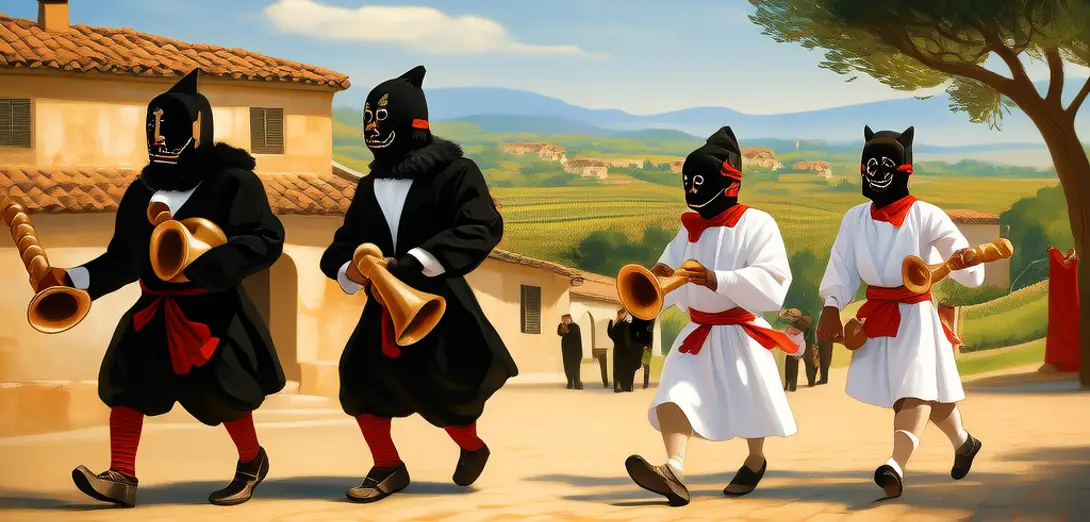
In Sardinia, the Mamuthones e Issohadores carnival in Mamoiada embodies pre-Roman pastoral cosmology through masked procession and rhythmic bellwork synchronized to lunar cycles.撒丁岛马莫亚达的玛穆托内斯与伊索阿多雷斯狂欢节,通过戴面具游行和依月相节奏鸣响的铃声,体现着罗马时代前的牧业宇宙观。
-
Men wear hand-carved black wooden masks and heavy sheepskin cloaks weighing over twenty kilograms, replicating transhumance labor rhythms rather than theatrical character roles.男子佩戴手工雕刻的黑色木面具,身披逾二十公斤重的绵羊皮斗篷,模仿季节性迁徙放牧的劳作节奏,而非扮演戏剧角色。
-
The Issohadores’ red ribbons symbolize captured springtime—a ritual gesture rooted in Bronze Age fertility rites documented on Nuragic stone tablets.伊索阿多雷斯佩戴的红丝带象征被俘获的春日——这一仪式动作源自青铜时代生育祭祀,见于努拉吉石碑记载。
-
Each January, villagers re-forged iron bells according to metallurgical formulas passed down since Phoenician trade contact, rejecting mass-produced replacements despite cost pressures.每年一月,村民依腓尼基通商时期传下的冶金配方重铸铁铃,即便成本压力巨大,也拒绝使用批量生产的替代品。
-
Anthropologists observe how mask-wearing enacts temporary suspension of individual identity—not anonymity, but deliberate submersion into communal temporal consciousness.人类学家观察到,戴面具并非隐匿个体身份,而是暂时悬置自我,主动沉入集体的时间意识之中。
-
Tourist photography is permitted only after participants complete their third full circuit around the town square, honoring the principle that visibility follows endurance.游客仅可在参与者绕镇广场完成第三圈游行后拍照,以尊重‘可见性须以耐力为前提’的原则。
-
Local schools integrate bell-tuning mathematics and wool-processing chemistry into curricula, framing ethnographic knowledge as epistemological continuity, not heritage display.当地学校将调铃数学与羊毛加工化学纳入课程,把民族志知识视为认识论的延续,而非文化遗产展示。
-
When EU agricultural subsidies threatened traditional grazing routes, the carnival’s governing council issued a formal declaration citing ritual geography as protected intangible territory.当欧盟农业补贴威胁传统放牧路线时,狂欢节管理委员会正式声明,将仪式地理列为受保护的非物质领土。
-
Younger participants now use laser-scanned 3D models to replicate mask carvings, yet elders require final sanding done exclusively with volcanic pumice gathered from Mount Etna’s 1669 flow.年轻参与者如今用激光扫描三维模型复制面具雕刻,但长者坚持最终打磨必须使用维苏威火山1669年喷发所产的火山浮石。
-
The procession’s silence—broken only by bells and footfalls—creates acoustic space where dialect poetry recited in Loguorese survives without subtitles or glossaries.游行全程静默,唯余铃声与足音;此声学空间使洛古雷塞方言诗歌得以无字幕、无注释地存续。
-
Its resilience stems from treating ritual as infrastructure: the same men who carry masks also maintain ancient irrigation channels feeding communal vineyards.其韧性源于将仪式视作基础设施:抬面具者亦维护灌溉古渠,滋养集体葡萄园。
-
Mamuthones thus exemplifies how embodied practice sustains ecological memory far beyond symbolic representation.因此,玛穆托内斯彰显了具身实践如何远超象征表达,维系生态记忆。