正在确认阅读权限…
Historical Humanities Extension: Independent Reading (2026-D004)
历史人文延展阅读·独立成篇(2026-D004)
-
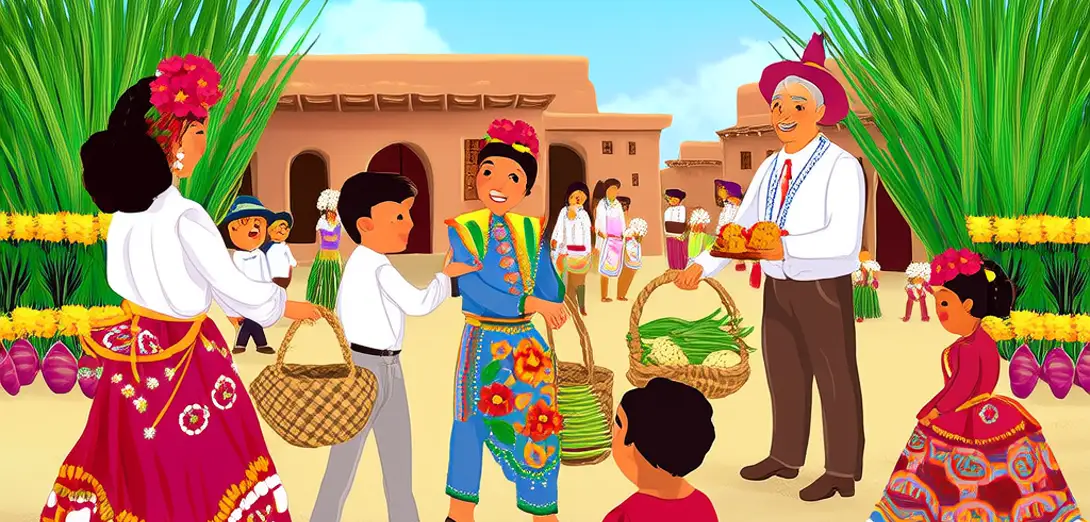
In Oaxaca, Mexico, the Guelaguetza festival enacts reciprocity as political economy through choreographed gift exchanges among Indigenous communities speaking sixteen distinct Zapotec and Mixtec languages.在墨西哥瓦哈卡州,瓜拉古埃察节通过十六种不同的萨波特克语和米斯特克语原住民社群之间精心编排的礼物交换,将互惠原则实践为一种政治经济。
-
Dancers wear huipil blouses whose brocaded narratives depict colonial resistance battles, land petitions, and recent water-rights protests—textile historiography in motion.舞者身着绣有叙事图案的维皮尔上衣,图案描绘殖民抵抗战役、土地请愿及近期水资源权抗议——流动的纺织史学。
-
Each delegation brings region-specific agricultural products: coffee from the Sierra Norte, chapulines from the Central Valleys, mezcal from the Tlacolula Valley—commodities repositioned as cultural currency.每个代表团带来本地区特产:北部山区的咖啡、中部山谷的蚱蜢、特拉科卢拉山谷的梅斯卡尔酒——这些商品被重新定位为文化货币。
-
Municipal budgets fund the event not as tourism promotion alone but as inter-community debt reconciliation rooted in pre-Hispanic cargo systems.市政预算资助该活动,不仅视其为旅游推广,更将其视为基于前西班牙时代‘货物制度’的跨社区债务清算。
-
Sound engineers amplify indigenous wind instruments using directional microphones that avoid flattening the polyphonic layering essential to communal listening practices.音响工程师使用指向性麦克风放大原住民管乐器,避免削弱对集体聆听实践至关重要的复调层次。
-
School curricula now include zapotec-language commentary tracks for televised broadcasts, resisting Spanish-only media dominance while preserving lexical specificity.学校课程现已纳入萨波特克语电视转播解说音轨,抵制西班牙语媒体垄断,同时保全词汇特异性。
-
Organizers reject commercial sponsorships that require logo placement on traditional garments, asserting aesthetic integrity as non-negotiable sovereignty.主办方拒绝要求在传统服饰上印制商标的商业赞助,将审美完整性视为不可让渡的主权。
-
Urban migrants return annually to perform, transforming diasporic identity into a logistical network sustaining rural infrastructure via remittance-choreographed logistics.城市移民每年返乡参演,将离散身份转化为维系乡村基础设施的物流网络,汇款即编排好的后勤。
-
Academic partnerships document oral histories during rehearsal breaks, treating dance rehearsals as archival sites rather than preparatory stages.学术合作方在排练间隙采集口述史,将舞蹈排练本身视为档案场所,而非仅是准备阶段。
-
This is not folkloric display but infrastructural maintenance—of language, land tenure, and collective memory as interdependent systems.这并非民俗展演,而是基础设施维护——语言、土地权属与集体记忆作为相互依存系统的维系。
-
Even traffic management during the event follows community-appointed ‘path keepers’ whose authority derives from lineage, not municipal appointment.即便活动期间的交通管理,也由社区推举的‘路径守护者’负责,其权威源自世系,而非市政任命。
-
Guelaguetza thus operates as a distributed ledger of relational obligation, updated annually through embodied practice.因此,瓜拉古埃察节实为一份关系义务的分布式账本,每年借由身体实践更新。