正在确认阅读权限…
Firepowder Application and the Transformation of Warfare Architecture
火药应用与战争形态
-
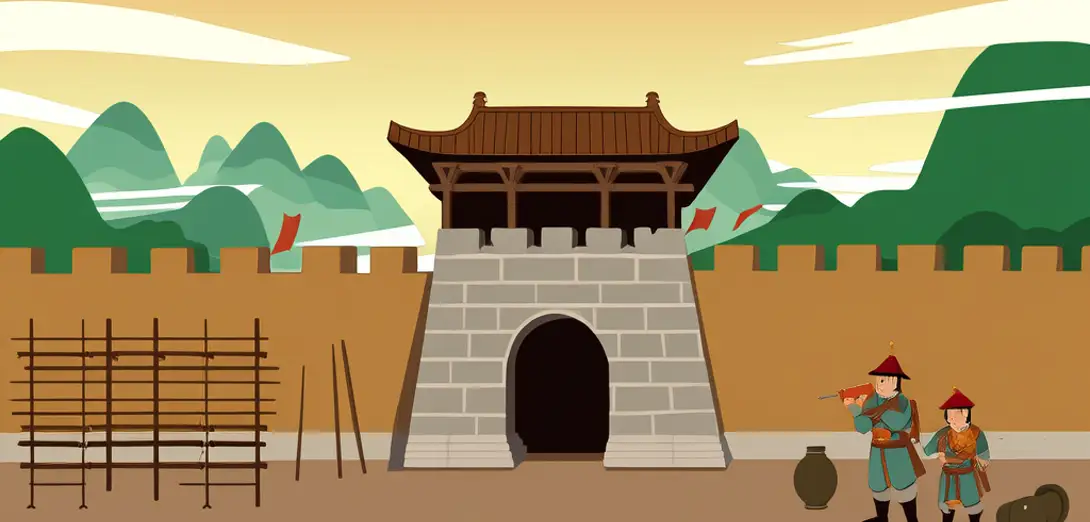
Gunpowder’s military adoption in fourteenth-century China did not simply replace siege engines but recalibrated urban defense around blast-resistant gatehouse geometries and earthen rampart absorption.十四世纪中国对火药的军事应用,不仅取代了攻城器械,更重塑了城市防御体系:城门楼采用抗爆几何结构,夯土城墙则强化吸能功能。
-
Ottoman cannon foundries in Edirne developed bronze casting techniques enabling mobile artillery that shattered Byzantine walls previously deemed impregnable by trebuchet physics.奥斯曼帝国在埃迪尔内建立的铸炮工坊发展出青铜铸造技术,使机动火炮成为可能,一举击溃了曾被投石机物理定律判定为不可攻克的拜占庭城墙。
-
European fortifications evolved from vertical keeps to low, angled bastions precisely because gunpowder projectiles followed predictable ballistic arcs rather than arcing trajectories.欧洲要塞由垂直高塔演变为低矮斜角棱堡,正因火药弹道遵循可预测的抛物线轨迹,而非传统抛射弧线。
-
Naval warfare shifted from boarding tactics to broadside volleys, demanding standardized naval architecture and synchronized gun crews trained in explosive timing rather than hand-to-hand drills.海战从接舷肉搏转向舷侧齐射,催生了标准化舰船设计,并要求炮组成员接受爆炸时序训练,而非近身格斗操练。
-
Mughal siege campaigns integrated rocketry not for precision but psychological saturation—incendiary payloads designed to fracture morale before physical breach.莫卧儿王朝围城作战中整合火箭,并非追求精度,而是实施心理饱和打击——纵火弹头旨在瓦解守军士气,早于实际破城。
-
Japanese daimyo commissioned iron-clad turrets after observing Portuguese matchlock effectiveness, adapting metallurgy without adopting European volley discipline.日本大名在目睹葡萄牙火绳枪威力后,定制铁甲炮楼,吸收冶金技术却未采纳欧洲齐射战术纪律。
-
The Treaty of Westphalia codified new rules of engagement partly because gunpowder made indiscriminate destruction too costly for mercantile city-states reliant on intact trade infrastructure.《威斯特伐利亚和约》部分缘于火药使无差别破坏代价过高——依赖完好贸易基础设施的商业城邦亟需新交战规则。
-
Artillery logistics required permanent supply chains—saltpeter mines, sulfur quarries, and powder mills—reshaping territorial administration far behind front lines.炮兵后勤催生永久性补给链:硝石矿、硫磺采石场与火药作坊,深刻重构了战线后方的领土治理体系。
-
Military academies emerged not to teach courage but ballistics mathematics, metallurgical tolerances, and powder-grain consistency standards across imperial bureaucracies.军事学院兴起并非传授勇气,而是讲授弹道学、金属公差与火药颗粒度标准,贯穿各大帝国官僚体系。
-
Cultural resistance manifested in poetic lamentations describing cannon fire as ‘heaven’s thunder gone rogue’, reflecting ontological dissonance with mechanized violence.文化抵触表现为诗作哀叹‘天雷失控’,折射出人们对机械化暴力所引发的存在论错位。
-
Colonial arsenals later exported these architectures globally, embedding European ordnance logic into port cities from Bombay to Valparaíso.殖民军工厂随后将此类军事架构全球输出,使欧洲火器逻辑嵌入从孟买到瓦尔帕莱索的各港口城市。
-
Ultimately, gunpowder did not just change weapons—it redefined the relationship between state power, urban form, and temporal perception of threat.归根结底,火药改变的不仅是武器,更是国家权力、城市形态与威胁时间感知之间的关系。