正在确认阅读权限…
Historical Humanities Extension: Independent Reading (2026-D021)
历史人文延展阅读·独立成篇(2026-D021)
-
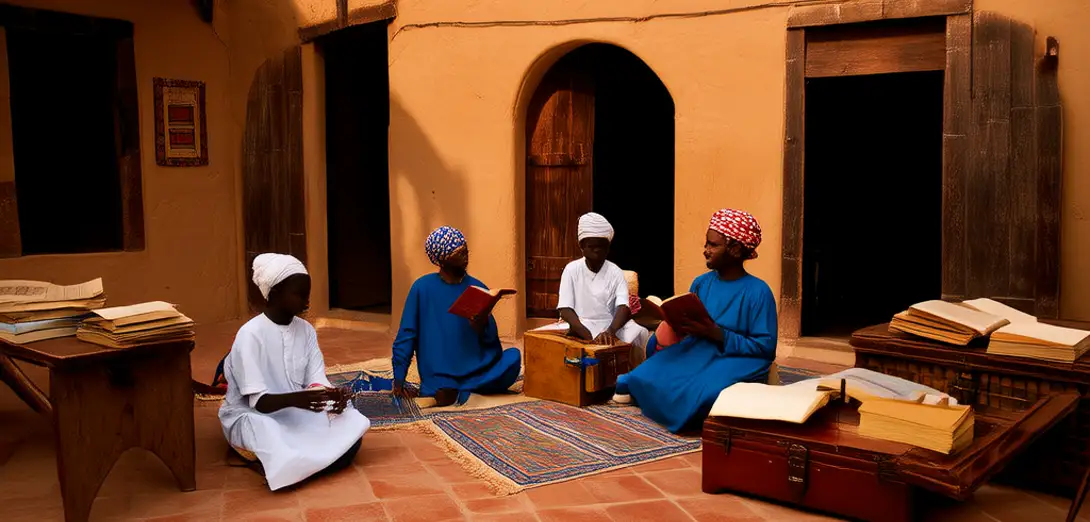
In Timbuktu, the annual 'Night of Manuscripts' transforms private family libraries into temporary public archives where scholars read aloud from 14th-century astronomical treatises written in Sudanic Arabic script.在廷巴克图,一年一度的‘手稿之夜’将私人家庭图书馆变为临时公共档案馆,学者们用苏丹阿拉伯文字朗读14世纪的天文学论著。
-
Conservators use camel-hair brushes and locally harvested gum arabic to repair brittle folios, rejecting industrial adhesives that compromise long-term pH stability in Saharan humidity.修复师使用骆驼毛刷和本地采集的阿拉伯胶修复易碎书页,拒绝使用会破坏撒哈拉地区湿度下长期酸碱度稳定性的工业胶粘剂。
-
Digital surrogates are hosted on decentralized servers across Bamako, Dakar, and Niamey to prevent single-point geopolitical vulnerability to data loss or censorship.数字副本托管在巴马科、达喀尔和尼亚美三地的去中心化服务器上,以防因地缘政治风险导致数据丢失或审查的单点故障。
-
Teenagers transcribe manuscripts into modern orthographies during summer intensives, bridging medieval orthographic conventions with contemporary literacy frameworks.青少年在暑期强化班中将手稿转录为现代正字法,弥合中世纪书写规范与当代识字体系之间的鸿沟。
-
Public readings occur under starlight not for ambiance but because pre-electric illumination preserved manuscript pigments better than kerosene lamps ever could.公开诵读在星光下举行,并非为营造氛围,而是因前电力时代的照明比煤油灯更能保护手稿颜料。
-
UNESCO designation brought funding but also scrutiny—families negotiated access protocols ensuring foreign researchers sign agreements honoring Islamic scholarly ethics on text handling.联合国教科文组织的认定带来了资金,也引来了审视——家族协商制定准入规程,确保外国研究者签署协议,恪守伊斯兰学术伦理中的文本处理规范。
-
Curriculum integration includes geometry problems from al-Khwarizmi’s works, taught alongside Malian architectural proportions used in mosque construction.课程整合了花拉子米著作中的几何题,并与马里清真寺建造所用的建筑比例一并讲授。
-
Mobile conservation units travel seasonally along historic trans-Saharan caravan routes, treating manuscripts stored in clay-lined chests vulnerable to seasonal dampness.移动修复单元随季节沿历史上的跨撒哈拉商路巡行,处理存于黏土衬里箱中、易受季节性潮气侵蚀的手稿。
-
The event closes with a calligrapher inscribing a new folio using iron-gall ink derived from acacia pods—a deliberate act of textual continuation, not preservation.活动以书法家使用金合欢豆制成的铁胆墨书写新书页作结——此举意在文本的延续,而非单纯保存。
-
This is historiography as hospitality: opening homes, shelves, and silences to shared intellectual stewardship across generations.这是以待客之道践行的历史书写:向世代共享的智识守护敞开家门、书架与静默。
-
Even dispute resolution among manuscript owners follows Timbuktu’s historic qadi courts, applying Maliki jurisprudence to questions of provenance and digitization rights.即便手稿所有者间的争议,也依循廷巴克图历史悠久的卡迪法庭,援引马立克学派教法学裁决归属权与数字化权利问题。
-
Here, the archive is neither monument nor database—it is a covenant enacted annually through light, labor, and linguistic fidelity.在此,档案既非纪念碑,亦非数据库——而是每年借由光、劳作与语言忠实所践行的一项契约。