正在确认阅读权限…
Cape Verdean Funaná Revival: Dance Floor Consent and Intergenerational Transmission in Mindelo Nightlife
佛得角芬纳舞复兴:明德卢夜生活中的舞池同意机制与代际传承
-
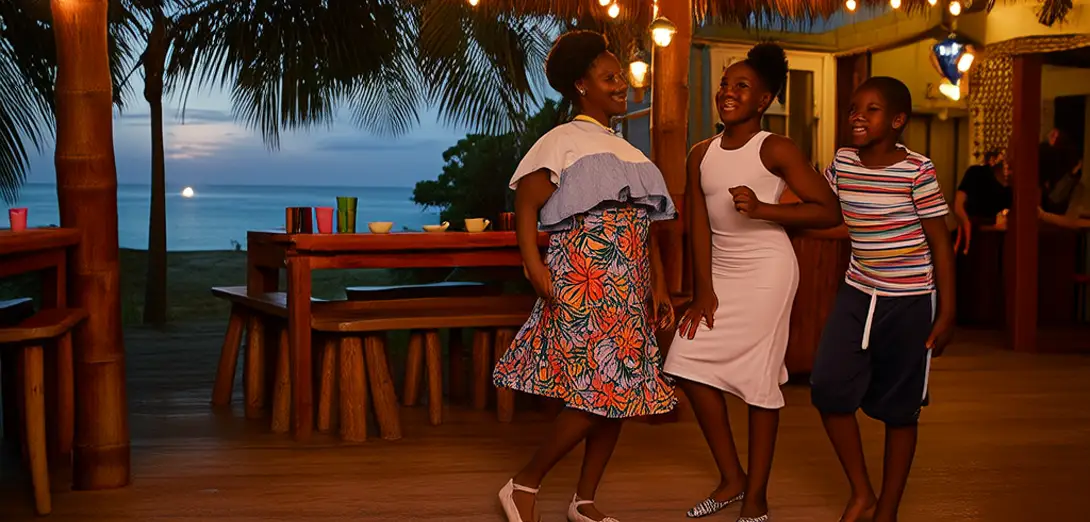
In Mindelo’s open-air kriolu bars, funaná dancers initiate contact not with words but with synchronized hip sway three beats before physical proximity.在明德卢露天克里奥尔酒吧里,富纳纳舞者不靠言语,而是通过身体靠近前三拍的同步胯部摆动来开启互动。
-
Elders watch from stools not as passive observers but as real-time arbiters, signaling approval or pause via subtle palm-down gestures toward the floor.长者坐在凳子上并非旁观者,而是实时仲裁者,以手掌朝下轻按地面的细微动作示意认可或暂停。
-
When younger dancers incorporate electronic basslines into traditional accordion-led rhythms, they first mirror elders’ footwork patterns for at least two full cycles.年轻舞者将电子低音线融入传统手风琴节奏时,须先完整模仿长者步法至少两个循环。
-
Consent to join a rotating circle is granted only after sustained eye contact and matching tempo—not through invitation but through rhythmic attunement.加入旋转圆圈需持续对视并节奏同步——非靠邀请,而靠律动共鸣。
-
Dance partners never lock hands; instead, they maintain fingertip proximity, adjusting distance based on sweat levels and breathing cadence observed across generations.舞伴从不十指紧扣,仅以指尖保持若即若离的距离,间距依汗量与呼吸节奏而调,代代相传。
-
Local DJs fade out tracks early if crowd density disrupts the call-and-response vocal structure essential to funaná’s narrative function.若人群密度破坏富纳纳叙事所需的呼应对唱结构,本地DJ会提前淡出音轨。
-
Tourists attempting choreography are gently redirected to percussion roles—shaking gourd shakers—until they internalize the 6/8 polyrhythm’s communal pulse.试图模仿舞蹈动作的游客会被温和引导至打击乐岗位——摇动葫芦沙锤——直至内化6/8复节奏的集体脉搏。
-
The dance floor operates as a living archive: each improvisation references historical migrations encoded in shoulder isolations and grounded stances.舞池本身即活态档案:每个即兴动作都呼应着肩部隔离与沉稳站姿中编码的历史迁徙。
-
No one teaches steps verbally; learning occurs through side-by-side repetition, where correction happens via mirrored correction, not instruction.无人口头教授舞步;学习靠并肩重复,纠错靠镜像示范,而非指令。
-
After midnight, the tempo slows deliberately—not from fatigue but to allow elders’ stories, embedded in movement phrases, to surface audibly in breath and pause.午夜过后节奏刻意放缓——非因疲惫,而是为让长者嵌于动作短语中的故事,借呼吸与停顿清晰浮现。
-
Funaná’s revival isn’t nostalgia-driven; it’s a pragmatic negotiation of identity where every body becomes both text and translator.富纳纳复兴并非怀旧驱动,而是身份的务实协商:每个身体既是文本,亦是译者。
-
This embodied dialogue thrives precisely because it refuses documentation: its grammar exists only in kinetic reciprocity, never in syllabi or apps.这种具身对话之所以蓬勃,正因其拒绝被记录:其语法只存于动态互馈之中,永不在课纲或应用里。