正在确认阅读权限…
Pressure Equalization Protocols in Indonesian Komodo Island Dive Briefings: Beyond Valsalva to Contextual Adaptation
印尼科莫多岛潜水简报中的耳压平衡规程:超越瓦氏动作的语境化适应
-
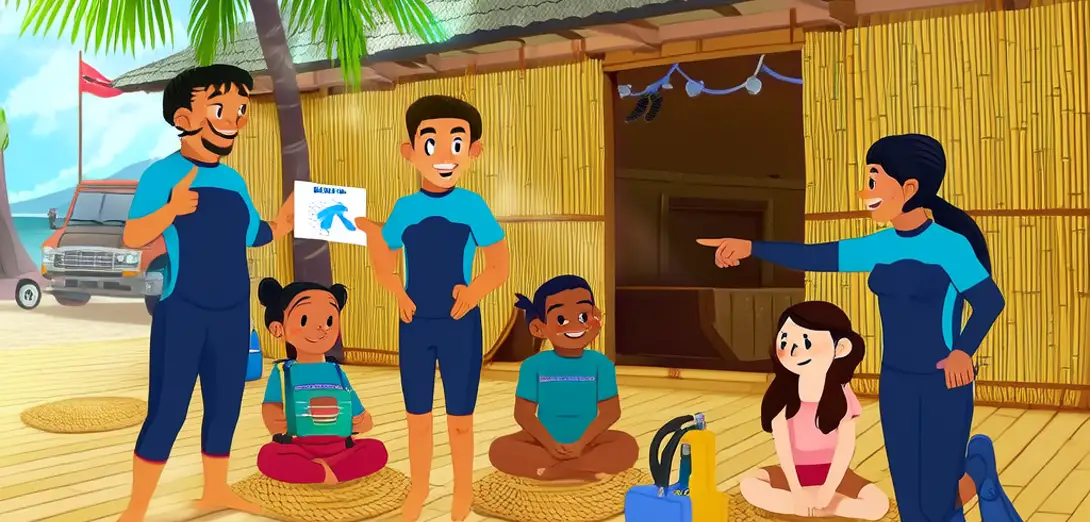
Komodo dive masters begin briefings not with anatomy diagrams but by asking divers to recall recent altitude changes, flight durations, and nasal congestion patterns.科莫多潜水教练开始简报时,不展示解剖图,而是先询问潜水员近期的海拔变化、飞行时长及鼻塞情况。
-
They demonstrate three pressure-equalization methods simultaneously—Frenzel, Toynbee, and voluntary tubal opening—emphasizing situational appropriateness over technical perfection.他们同时演示三种压力平衡法——弗伦泽尔法、托因比法和主动咽鼓管开放法,强调根据情境选择合适方法,而非追求技术完美。
-
Divers practice equalizing while submerged just below surface, listening for subtle resonance shifts in their own skull rather than relying on instructor feedback.潜水员在水面下浅处练习压力平衡,通过感知自身颅骨内细微的共鸣变化来判断,而非依赖教练反馈。
-
Briefings include local hydrodynamic data: thermocline depths affect buoyancy control timing, which directly impacts safe descent rates for Eustachian tube adaptation.简报包含当地水动力数据:温跃层深度影响浮力控制时机,进而直接影响咽鼓管适应所需的安全下潜速率。
-
Instructors observe jaw tension during mask-clearing drills, knowing clenched molars often precede barotrauma despite textbook-perfect Valsalva attempts.教练在面镜清除训练中观察潜水员下颌紧张程度,深知即使瓦氏动作标准到位,紧咬臼齿仍常预示气压伤发生。
-
Divers log not just depth and time but subjective descriptors like 'nasal dryness', 'temporal fullness', or 'swallowing resistance' to map personal pressure thresholds.潜水员记录的不仅是深度与时间,还包括‘鼻腔干燥’‘颞部胀满感’‘吞咽阻力’等主观描述,以绘制个人压力耐受阈值。
-
The boat’s pre-dive checklist includes checking seawater temperature gradients, since sudden cold exposure triggers vasoconstriction that impedes mucosal response to pressure shifts.船只潜前检查清单包含海水温度梯度检测,因突发低温会引发血管收缩,削弱黏膜对压力变化的响应能力。
-
Komodo’s strong currents mean equalization must be anticipatory—initiated before descent begins, calibrated to water movement rather than depth markers alone.科莫多强劲洋流要求压力平衡必须具备前瞻性——须在下潜启动前即开始,并依据水流状态而非单纯深度标记进行校准。
-
Instructors use underwater slates not for notes but to draw real-time pressure graphs showing how tidal surges compress air spaces differently than still-water descents.教练使用水下写字板并非记录笔记,而是实时绘制压力变化图,展示潮涌压缩气腔的方式与静水下潜截然不同。
-
Post-dive debriefs focus less on technique errors and more on identifying environmental variables—like plankton bloom density—that altered middle-ear fluid viscosity unexpectedly.潜后复盘重点不在技术失误,而在识别环境变量——如浮游生物暴发密度——如何意外改变中耳液体黏度。
-
This approach treats equalization not as isolated skill but as continuous bio-environmental negotiation requiring contextual intelligence beyond certification standards.该方法将压力平衡视作持续的生理-环境动态协调过程,所需的情境判断力远超认证标准要求。
-
Every diver’s physiology interacts uniquely with Komodo’s marine microclimate, making rigid protocols dangerous and adaptive awareness essential for safety.每位潜水员的生理特征与科莫多海域微气候相互作用各不相同,僵化规程危险重重,灵活应变意识才是安全关键。