正在确认阅读权限…
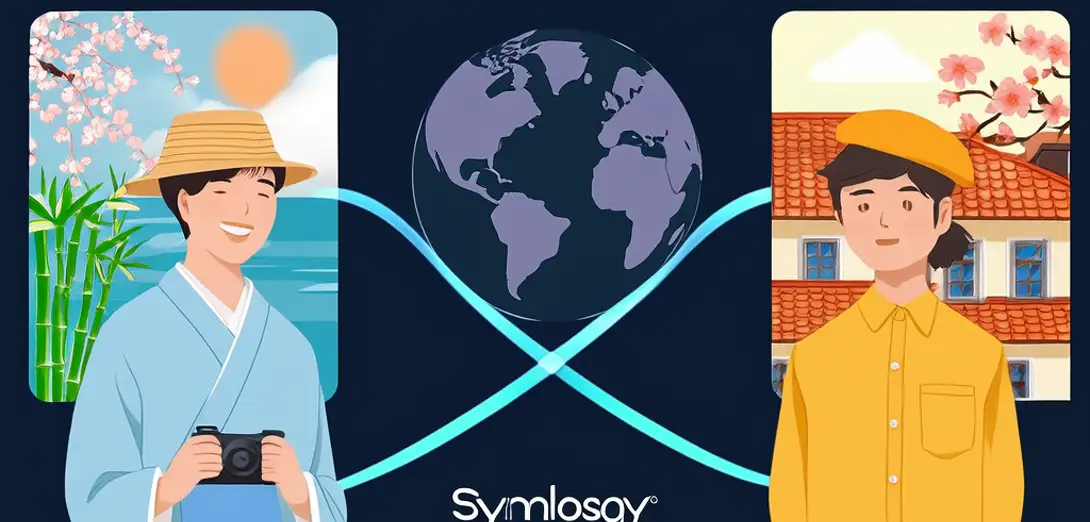
Synology NAS Configuration Across Time Zones: Conflict Resolution in Real-Time Photo Sync Between Tokyo and Lisbon Studios
跨时区群晖NAS配置:东京与里斯本工作室间实时照片同步的冲突解决
-
Photographers in Tokyo and Lisbon configure Synology NAS units not with identical settings but with offset version-timestamp windows aligned to local sunrise rather than UTC.东京和里斯本的摄影师配置群晖NAS设备时,并未采用完全相同的设置,而是根据当地日出时间而非UTC,设置了偏移的时间戳版本窗口。
-
When simultaneous edits occur, conflict resolution prioritizes metadata provenance—geotag accuracy, lens EXIF consistency, and ambient light sensor logs—over chronological order alone.当同时发生编辑操作时,冲突解决优先依据元数据来源——包括地理标签精度、镜头EXIF一致性及环境光传感器日志——而非单纯按时间顺序。
-
Sync delays are intentionally staggered: Tokyo uploads raw files at 7:15 AM JST, triggering Lisbon’s NAS to hold processing until 9:03 AM WEST to accommodate natural editing workflow peaks.同步延迟被刻意错开:东京于日本标准时间上午7:15上传原始文件,触发里斯本NAS延迟至西欧夏令时间上午9:03才开始处理,以适配自然的编辑工作高峰。
-
Both studios tag files with dual-timezone watermarks visible only in metadata viewers, preventing accidental overwrites during cross-studio curation sessions.两家工作室均在文件中嵌入双时区水印,仅在元数据查看器中可见,防止跨工作室策展期间意外覆盖。
-
Version history displays not just timestamps but contextual overlays: 'Tokyo studio—post-rain diffused light', 'Lisbon lab—calibration session with DNG profiles'.版本历史不仅显示时间戳,还叠加上下文信息:如‘东京工作室——雨后漫射光’、‘里斯本实验室——使用DNG配置文件的校准会话’。
-
Conflict alerts trigger human review only when edit patterns diverge statistically—such as Lisbon applying grain reduction while Tokyo adds vignetting—indicating intentional aesthetic divergence.仅当编辑模式出现统计学显著差异时(例如里斯本应用降噪而东京添加暗角),冲突告警才会触发人工复核,表明这是有意的美学分化。
-
NAS health dashboards show 'collaboration latency' metrics alongside CPU load, measuring how milliseconds of sync delay impact creative decision velocity across continents.NAS健康仪表盘同时展示‘协作延迟’指标与CPU负载,量化毫秒级同步延迟对跨洲创意决策速度的影响。
-
Backup schedules avoid overlapping with cloud-based color-grading renders, using predictive AI to forecast peak processing windows based on historical project timelines.备份计划避开云端调色渲染时段,利用预测性AI基于历史项目时间线预估处理高峰期。
-
Each studio maintains local cache policies favoring recently edited sequences, ensuring offline access preserves creative momentum despite transcontinental sync intervals.各工作室本地缓存策略优先保留近期编辑的序列,确保离线访问仍能维持创作节奏,不受跨洲同步间隔影响。
-
File naming conventions embed timezone-aware context codes: 'TKY-20240522-1422-SUNLIGHT-ADJ' versus 'LIS-20240522-0722-GRADING-PASS2'.文件命名规范嵌入时区感知的上下文代码,例如‘TKY-20240522-1422-SUNLIGHT-ADJ’与‘LIS-20240522-0722-GRADING-PASS2’。
-
This system treats synchronization not as data replication but as intercontinental creative dialogue where timing constraints become generative parameters.该系统将同步视为跨洲创意对话,而非单纯的数据复制;时间约束由此转化为生成性参数。
-
Human oversight remains essential—not for error correction but to interpret whether conflicting edits represent divergent visions or unintended duplication requiring archival reconciliation.人工监督依然不可或缺——目的并非纠错,而是判断冲突编辑究竟体现不同创作愿景,还是需归档协调的无意重复。