正在确认阅读权限…
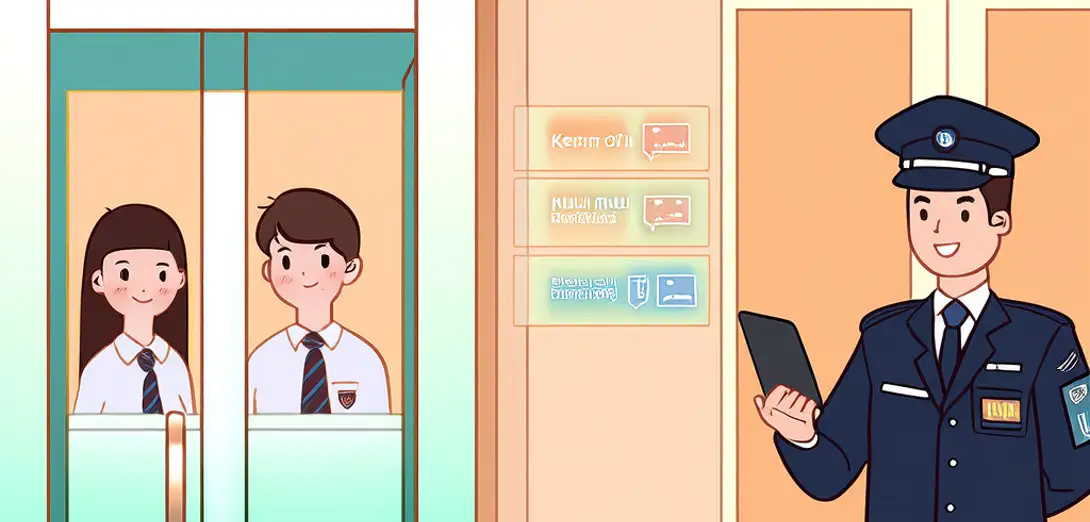
Elevator Emergency Protocols in Seoul’s High-Rise Residential Complexes: Multi-Layered Response to Entrapment Events
首尔高层住宅电梯困人应急规程:多层级困梯事件响应机制
-
Seoul’s apartment complexes deploy tiered emergency protocols where Level 1 response (under 90 seconds) involves automated voice reassurance in Korean, English, Mandarin, and Vietnamese—not instructions but calibrated calm narration.首尔公寓楼采用分级应急协议:一级响应(90秒内)通过韩、英、中、越四语自动语音安抚,不发指令,只提供精准调控的镇静叙述。
-
Resident elevator panels display real-time status maps showing maintenance crew GPS location, estimated arrival time, and current battery level of onboard emergency lighting.住户电梯面板实时显示状态地图,标注维修人员GPS位置、预计抵达时间及应急照明当前电量。
-
Trapped individuals receive SMS updates with QR codes linking to live translation chatbots trained specifically on Korean elevator technical terminology and panic-response phrasing.被困人员收到含二维码的短信,扫码直连专训韩语电梯技术术语与恐慌应对话术的实时翻译聊天机器人。
-
Maintenance teams carry biometric scanners to verify resident identity before unlocking doors, preventing unauthorized access during high-rise evacuation drills that simulate simultaneous entrapments.维保团队配备生物识别扫描仪,开门前须验证住户身份,防止高层疏散演练中多人同时被困时发生未授权进入。
-
Building management systems cross-reference elevator stop patterns with resident mobility data—flagging extended pauses for elderly residents requiring priority dispatch even before alarm activation.楼宇管理系统将电梯停靠模式与住户行动能力数据交叉比对,提前标记老年人长时间停留,触发优先派单,无需报警即启动。
-
Emergency lighting automatically adjusts color temperature to match circadian rhythms, reducing disorientation during prolonged stops while maintaining sufficient illumination for tablet-based communication.应急照明自动调节色温以匹配昼夜节律,延长停运期间减少定向障碍,同时保障足够亮度支持平板通信。
-
Response teams carry portable ultrasound devices to assess door gap integrity before manual override, avoiding structural compromise that could worsen entrapment in seismic-prone zones.救援队携带便携式超声设备,在手动强制开门前检测门缝结构完整性,避免地震多发区因强行操作加剧被困风险。
-
SMS alerts sent to nearby residents include multilingual guidance on how to assist—not physically—but by relaying precise floor-level descriptions of trapped individuals’ conditions.向周边住户发送的短信含多语种指导,教其如何协助——非体力介入——而是精准传递被困者所在楼层及身体状况。
-
All elevators log vibration frequency data continuously, allowing predictive maintenance to flag incipient mechanical issues before they escalate to entrapment scenarios.所有电梯持续记录振动频率数据,实现预测性维护,机械隐患初现即预警,防患于未然。
-
Drills simulate multi-elevator failures during typhoon season, testing coordination between building engineers, municipal rescue units, and volunteer resident liaison teams.演练模拟台风季多部电梯同时故障,检验楼宇工程师、市政救援队与居民志愿联络员三方协同效率。
-
This framework treats entrapment not as isolated failure but as systemic stress test where human response layers must synchronize with mechanical reliability metrics.该体系不视困梯为孤立故障,而是一次系统性压力测试,要求人力响应层级与机械可靠性指标严丝合缝同步。
-
Every component—from voice tone pitch to SMS character count—is optimized for cognitive load reduction under acute spatial confinement stress.每个细节——从语音音调到短信字数——均经优化,以降低密闭空间急性应激下的认知负荷。