正在确认阅读权限…
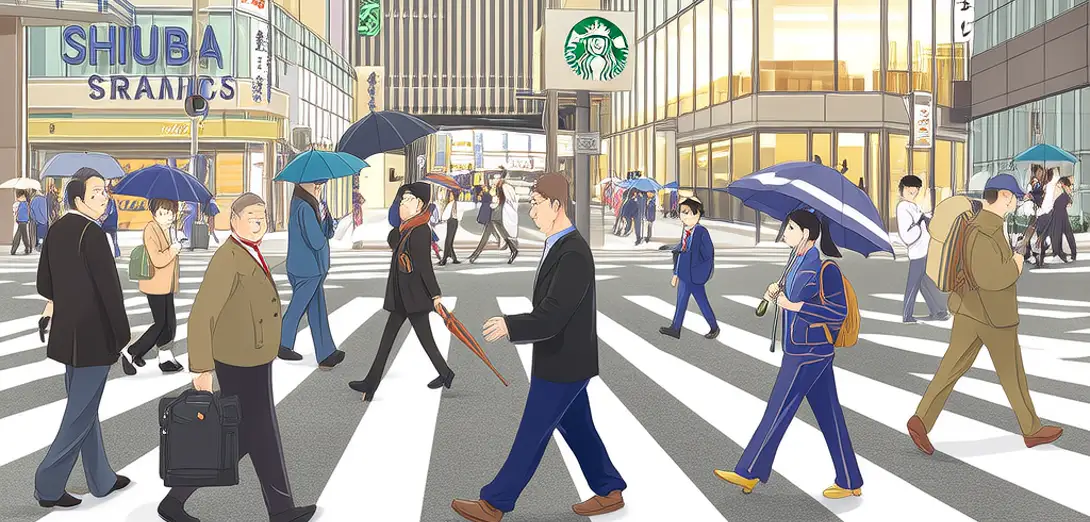
Cultural Calibration in Tokyo’s Shibuya Scramble Crossing: Navigating Collective Flow Without Verbal Cues
东京涩谷十字路口的人流校准:在无语言提示中协调集体通行
-
Pedestrians in Shibuya do not negotiate right-of-way through eye contact or verbal signals but through micro-adjustments of pace and shoulder orientation.涩谷的行人不靠眼神接触或口头信号来协商路权,而是通过细微调整步速和肩部朝向。
-
The crossing operates as a self-organizing system where hesitation is socially costly yet overt assertion violates unspoken norms of spatial humility.这个路口是一个自组织系统:犹豫会带来社交代价,而公然抢行则违背了空间谦让的潜规则。
-
Foreign visitors often misread the dense flow as chaotic, overlooking how synchronized lateral stepping maintains throughput without collision.外国游客常将密集人流误读为混乱,却忽略了同步侧步如何在零碰撞前提下维持通行效率。
-
Local commuters internalize timing cues from the rhythm of traffic-light cycles, not pedestrian signals alone, creating anticipatory movement patterns.本地通勤者依据红绿灯周期的节奏而非仅靠人行信号灯来把握时机,从而形成预判式移动模式。
-
Even during rush hour, the absence of shouting or shoving reflects deeply embedded cultural expectations around shared responsibility for public order.即便在高峰时段,没有喊叫或推搡也反映出公众秩序中根深蒂固的文化期待:人人共担责任。
-
Tourists who pause mid-crossing disrupt not just logistics but the subtle choreography that binds strangers into temporary consensus.游客若在横穿途中突然驻足,不仅扰乱交通流,更破坏陌生人之间临时达成的微妙协同意图。
-
Vendors near the scramble avoid obstructing sightlines, recognizing that visual continuity supports collective decision-making more than signage ever could.scramble 周边摊贩避免遮挡视线,深知视觉连贯性对集体决策的作用远超任何标识。
-
This ritualized mobility reveals how Japanese urbanism treats public space less as neutral ground and more as a medium for mutual attunement.这种仪式化的移动揭示出日本城市主义如何将公共空间视为彼此调谐的媒介,而非中立场地。
-
Unlike Western intersections prioritizing individual intent, Shibuya’s flow privileges group coherence over personal urgency or destination clarity.与西方路口强调个体意图不同,涩谷人流优先保障群体协调,而非个人紧迫感或目的地明确性。
-
Observing footfall density, stride length, and garment sway offers richer insight into social tempo than any official city mobility report.观察脚步密度、步幅长度与衣摆摆动,比任何官方城市交通报告更能揭示社会节奏。
-
The scramble endures not because it is efficient by engineering metrics, but because it sustains a quiet, embodied contract among anonymous participants.scramble 能延续至今,并非因其工程学意义上的高效,而在于它维系着一种无声的、具身化的匿名参与者契约。
-
Its resilience lies precisely in its refusal to be codified—no manual, no app, no authority enforces what locals simply perform.其韧性恰恰源于拒绝被编码化——没有手册、没有APP、没有权威强制执行,当地人只是自然践行。