正在确认阅读权限…
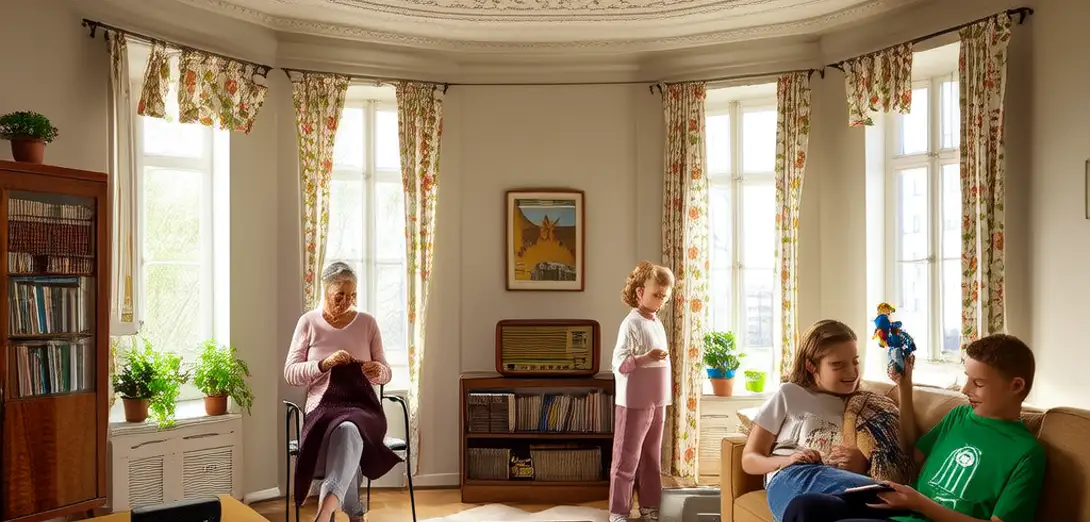
Signal Stratification in Berlin’s Apartment Blocks: Mesh Networking Across Generational Infrastructure Layers
柏林公寓楼内的信号分层:跨代际基础设施之上的网状组网
-
Berlin’s pre-war Altbau buildings present unique RF challenges due to thick plaster walls, embedded steel lattices, and inconsistent electrical grounding across decades of renovation.柏林战前的老式公寓楼因厚重的灰泥墙、嵌入式钢架结构以及历经数十年翻修后不统一的电气接地,带来了独特的射频挑战。
-
Residents increasingly deploy mesh routers not for speed alone but to create horizontal signal pathways that bypass vertical dead zones inherent in old stairwell wiring.居民越来越多地部署网状路由器,并非单纯追求速度,而是为了构建水平信号通路,绕过老式楼梯间布线固有的垂直信号盲区。
-
A single 2023 tri-band node on the fifth floor may relay data downward through a 1980s coaxial TV line repurposed as Ethernet-over-coax, then upward via powerline adapters installed in 1950s fuse boxes.2023年一款三频段节点设备安装在五楼,可能通过一条上世纪80年代改造为以太网同轴传输的电视同轴电缆向下传输数据,再借助安装于上世纪50年代保险盒中的电力线适配器向上转发。
-
Network maps reveal unexpected topologies: apartments share bandwidth not by proximity but by shared conduit access points hidden behind ornate moldings.网络拓扑图揭示出意外结构:公寓之间并非按地理邻近共享带宽,而是通过隐藏在繁复线脚背后的共用管道接入点实现共享。
-
Landlords rarely upgrade building-wide infrastructure, so tenants collaborate informally—exchanging VLAN IDs and channel coordination schedules via neighborhood WhatsApp groups.房东极少升级整栋楼的基础设施,因此租户自发协作——通过邻里WhatsApp群组交换VLAN编号和信道协调时间表。
-
Signal strength fluctuates predictably during laundry hours, when vintage washing machines generate broadband noise that interferes with 2.4 GHz bands unless actively filtered.洗衣时段信号强度会规律性波动,因老式洗衣机产生的宽带噪声干扰2.4 GHz频段,除非主动滤除。
-
This ad hoc digital layer coexists with physical traces of history: Wi-Fi SSIDs named after vanished department stores or defunct tram lines reflect quiet acts of archival continuity.这一临时搭建的数字层与历史的物理痕迹并存:Wi-Fi名称取自已消失的百货公司或停运的有轨电车线路,体现着静默而持续的档案传承。
-
Unlike suburban setups optimized for throughput, Berlin’s urban mesh prioritizes redundancy, latency tolerance, and neighborly negotiation over raw bandwidth.与郊区侧重吞吐量的网络不同,柏林城市网状网络更重视冗余性、延迟容忍度及邻里协商,而非原始带宽。
-
Technicians describe these networks as 'archaeological stacks'—where each firmware update must accommodate legacy protocols embedded in century-old brickwork.技术人员将这类网络称为‘考古式技术栈’——每次固件更新都必须兼容嵌入百年砖墙中的遗留协议。
-
Success is measured not in Mbps but in uninterrupted video calls with grandparents in rural Mecklenburg, sustained across four architectural eras.成功与否不以Mbps衡量,而在于能否跨越四个建筑时代,持续稳定地与梅克伦堡乡村的祖父母进行视频通话。
-
The real innovation lies not in hardware but in the tacit agreements residents make about shared spectrum use and fair access thresholds.真正的创新不在硬件,而在于居民就共享频谱使用与公平接入阈值所达成的默示共识。
-
Here, connectivity is never purely technical—it’s a negotiated civic practice rooted in material constraints and mutual accommodation.在这里,连接从来不只是技术问题——它是一种根植于物质约束与相互妥协之上的协商式公民实践。