正在确认阅读权限…
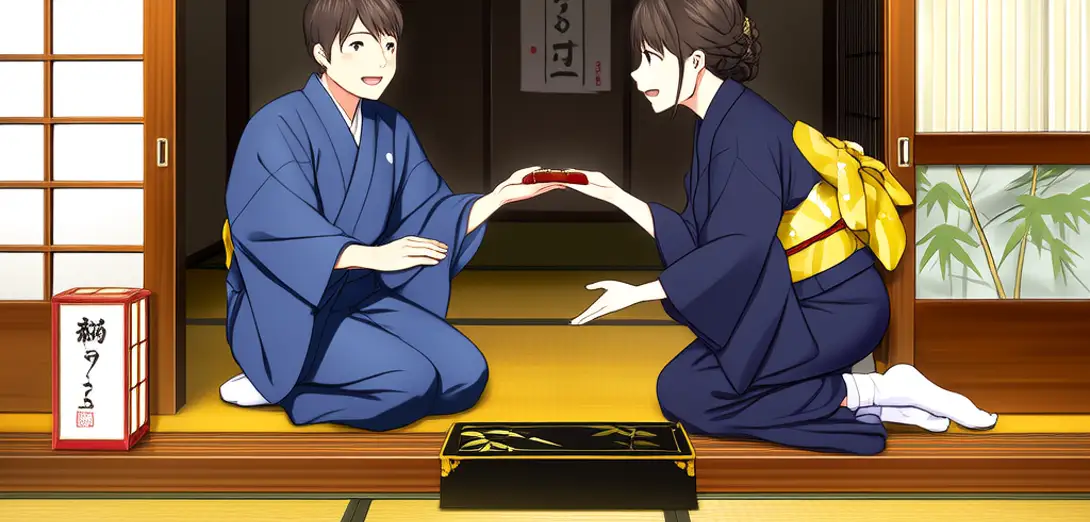
Key Rituals in Kyoto’s Machiya Rentals: Handover Protocols Between Hosts, Guests, and Heritage Conservation Guidelines
京都町屋民宿的钥匙仪式:房东、房客与文化遗产保护指南之间的交接规范
-
In Kyoto’s historic machiya rentals, key handover occurs not at a desk but at the nijiriguchi—a low, sliding entrance requiring guests to bow while receiving a lacquered box containing brass keys and handwritten conservation notes.在京都历史悠久的町屋民宿中,钥匙交接不在前台进行,而是在‘躙口’——一道低矮的滑动式入口处完成;客人需躬身接过一只漆盒,内装黄铜钥匙及手写的文物保护须知。
-
Hosts emphasize that keys are never duplicated; each set is laser-engraved with a property ID linked to Kyoto City’s heritage registry to prevent unauthorized replication.房东强调钥匙绝不复制;每套钥匙均以激光刻有房产编号,并关联京都市文化遗产名录,以防擅自复制。
-
Guests sign a compact scroll acknowledging responsibilities: no wall-mounted fixtures, no high-heat cooking in antique irori hearths, and strict limits on guest numbers per tatami mat area.客人需签署一份简短卷轴,确认责任:不在墙上安装固定装置,不在古旧地炉中高温烹饪,且严格限制每叠榻榻米区域的入住人数。
-
The key itself functions as both access device and cultural covenant—its weight, patina, and engraving pattern signal participation in preservation ethics beyond contractual obligation.钥匙本身既是通行工具,亦是文化契约——其重量、包浆与雕刻纹样,象征着超越合同义务的文物保护伦理。
-
Digital lock codes are prohibited in designated Important Cultural Properties, making physical keys essential instruments of stewardship rather than mere convenience tools.在指定的‘重要文化财’建筑内,禁止使用数字门锁密码,实体钥匙因而成为守护职责的关键工具,而非仅图便利。
-
Before departure, guests return keys inside the same lacquer box, placing it precisely on the engawa veranda step facing east—a gesture echoing Shinto purification rites tied to directional symbolism.离店前,客人须将钥匙放回原漆盒,并精准置于面向东方的‘缘侧’廊阶上——这一举动呼应神道净化仪式中方位象征的意义。
-
Neighborhood associations monitor compliance indirectly, noting unusual key wear patterns or mismatched lock replacements reported by local carpenters during routine maintenance.邻里协会间接监督合规情况,留意异常的钥匙磨损痕迹,或本地木匠在例行维护中报告的锁具更换不匹配现象。
-
This ritual transforms transactional lodging into intergenerational custodianship, where hospitality includes teaching guests how to open shoji screens without stressing aged paper panels.这一仪式将单纯的住宿交易升华为代际守护,其中待客之道包括教导客人如何轻启障子门而不损伤陈年纸面。
-
Unlike standard Airbnb check-ins, machiya key exchanges involve layered permissions: host approval, district office notification, and sometimes prior consultation with resident monks from adjacent temples.与普通爱彼迎入住不同,町屋钥匙交接涉及多重许可:房东批准、区公所报备,有时还需事先征询邻近寺庙住持僧人的意见。
-
The process deliberately slows down arrival, forcing guests to inhabit temporal rhythms aligned with the building’s 200-year lifespan rather than their own itinerary.该流程刻意放缓抵达节奏,迫使客人适应建筑两百年寿命所承载的时间韵律,而非自身行程安排。
-
Each key transfer becomes a micro-act of cultural translation—where language barriers dissolve through shared attention to hinge alignment, latch resistance, and wood grain direction.每次钥匙交接都是一次微小的文化转译——语言隔阂在共同关注铰链对齐、锁舌阻力与木纹走向中自然消融。
-
Ultimately, the key isn’t just to the door; it’s an entry point into a living archive governed by quiet reciprocity and material reverence.最终,这把钥匙不仅通向房门,更开启一座活态档案馆的大门,其运行法则在于静默的 reciprocity(互惠)与对物质的虔敬。