正在确认阅读权限…
Care Coordination in Santiago’s Barrio Lastarria: Medical Companionship as Archival Practice Across Generational Health Literacy Gaps
圣地亚哥拉斯塔里亚街区的照护协调:跨代际健康素养鸿沟中的医疗陪伴即档案实践
-
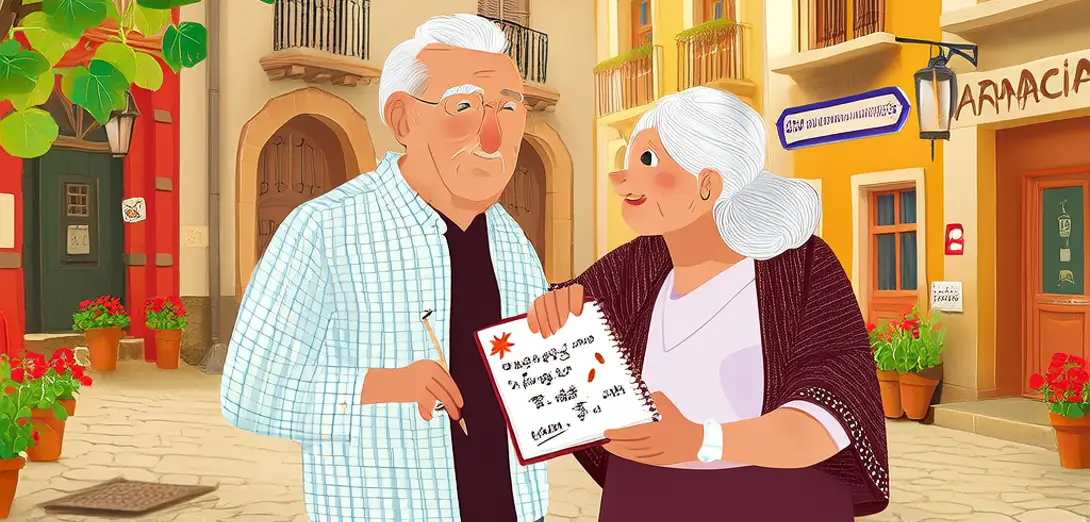
In Santiago’s Barrio Lastarria, elder companions accompanying patients to clinics don’t just translate symptoms—they annotate clinical notes with context about dietary habits, neighborhood pharmacy access, and family caregiving capacity recorded in shared notebooks.在圣地亚哥拉斯塔里亚社区,陪同老人就诊的同伴不仅翻译症状,还在共享笔记本上为临床记录添加注释,涵盖饮食习惯、社区药房可及性及家庭照护能力等背景信息。
-
These companions carry laminated timelines mapping chronic conditions against Chile’s evolving public health reforms, helping elders interpret new prescription formats or insurance coverage changes introduced since 2010.这些同伴随身携带覆膜时间轴,将慢性病进程与智利不断演进的公共卫生改革相对应,帮助老人理解自2010年以来出现的新处方格式或医保覆盖变化。
-
Clinics provide no official training, yet experienced companions circulate annotated glossaries distinguishing colloquial terms like 'nervios' from clinical diagnoses such as generalized anxiety disorder.诊所未提供正式培训,但经验丰富的同伴自发流通加注术语表,区分‘神经紧张’等日常用语与‘广泛性焦虑障碍’等临床诊断。
-
Medical records are treated as living documents: companions add marginalia in colored ink—blue for medication adherence observations, red for unresolved bureaucratic hurdles like pension-linked health ID delays.病历被视为动态文档:同伴用彩色墨水在页边空白处批注——蓝色标记用药依从性观察,红色标注未解决的行政障碍,如养老金关联的健康身份证延误。
-
They coordinate with pharmacists to cross-check generic substitutions against past adverse reactions documented in homemade symptom journals spanning fifteen years.他们与药剂师协作,对照十五年来手写症状日记中记录的既往不良反应,核查仿制药替代方案。
-
The practice emerged organically from Mapuche-influenced community care models, adapting traditional oral history methods to biomedical record-keeping without digital dependency.这一实践源于受马普切文化影响的社区照护模式,将传统口述史方法适配至生物医学记录,无需依赖数字技术。
-
Companions know which clinic receptionists accept handwritten summaries in Spanish rather than insisting on formal intake forms, navigating bureaucracy through relational memory.同伴熟知哪些诊所前台人员接受手写西班牙语摘要,而非坚持使用正式登记表格,依靠关系型记忆应对官僚流程。
-
This work remains invisible to national health metrics, yet reduces ER visits by nearly 40% in pilot neighborhoods according to Universidad de Chile’s longitudinal study.这项工作未被纳入国家卫生统计,但智利大学纵向研究表明,在试点社区可使急诊就诊率降低近40%。
-
Their notebooks include maps of accessible transport routes, emergency contacts for local NGOs, and seasonal reminders about respiratory risks tied to Santiago’s winter smog patterns.他们的笔记本包含无障碍交通路线图、本地非政府组织紧急联络方式,以及结合圣地亚哥冬季雾霾规律的呼吸道风险季节提醒。
-
What appears as simple escorting is actually intergenerational knowledge curation—transforming fragmented encounters into coherent health narratives resistant to institutional turnover.表面看只是简单陪诊,实则是跨代际的知识整理——将零散就医经历转化为连贯健康叙事,抵御机构人员更替带来的信息断层。
-
They treat diagnosis not as endpoint but as pivot point: every lab result triggers follow-up entries tracking dietary adjustments, sleep quality, and mood fluctuations across weeks.他们视诊断非终点,而是转折点:每份检验结果均触发后续追踪记录,持续数周跟踪饮食调整、睡眠质量与情绪波动。
-
In this context, companionship isn’t support—it’s archival labor ensuring that elders’ lived experience survives translation into clinical language.在此语境中,陪伴并非辅助,而是档案劳动——确保老人真实生活经验在转化为临床语言的过程中得以存续。