正在确认阅读权限…
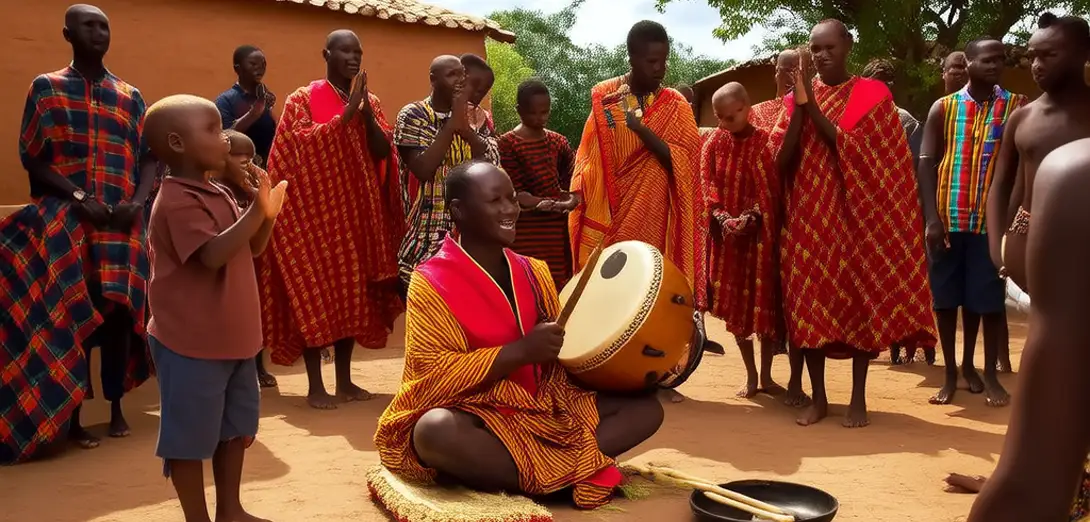
Ghanaian Adowa Funeral Rites: Choreographed Grief as Communal Archive in Kumasi
加纳阿多瓦葬礼仪式:库马西的编舞式哀悼作为集体记忆档案
-
In Kumasi’s Asante communities, Adowa funerals transform grief into a precisely timed sequence of drum patterns and hand gestures.在库马西的阿坎特社区,阿多瓦葬礼将悲痛转化为节奏精准的鼓点与手势序列。
-
Elders monitor tempo shifts not for musical accuracy but to calibrate collective emotional resonance across generations.长老们关注节奏变化,并非追求音乐准确性,而是为了跨代际校准集体情感共鸣。
-
Mourners wear specific kente cloth motifs signaling lineage obligations, not personal preference or aesthetic choice.哀悼者身着特定库恩特织锦图案,彰显家族责任,而非个人喜好或审美选择。
-
The lead drummer pauses twice—once after the eulogy, once before the final libation—to allow silence that carries ancestral weight.领奏鼓手两次停顿——一次在悼词之后,一次在最后奠酒之前——以沉默承载祖先分量。
-
Younger participants learn restraint through observation, not instruction, absorbing how dignity modulates vocal pitch and shoulder alignment.年轻参与者通过观察而非教导学习克制,潜移默化地领会尊严如何调节音高与肩部姿态。
-
Gifts of cola nuts arrive wrapped in blue cloth, referencing historical trade routes rather than symbolic color theory.可乐果礼品以蓝布包裹,呼应历史贸易路线,而非象征性色彩理论。
-
Funeral stew is served in communal bowls, reinforcing interdependence even amid profound individual loss.葬礼炖菜盛于共用碗中,在深切个体丧失之际重申相互依存。
-
Photographers must negotiate access with family elders, whose consent reflects custodianship—not hospitality—of sacred time.摄影师须向家族长老协商入场许可,其同意体现的是神圣时间的守护权,而非待客之礼。
-
Procession routes avoid main roads deliberately, honoring spatial hierarchies embedded in pre-colonial urban planning.送葬行进路线刻意避开主干道,以尊重殖民前城市规划中固有的空间等级。
-
Adowa isn’t performed *for* memory; it *is* the embodied infrastructure sustaining memory across political rupture.阿多瓦并非为记忆而展演,它本身就是维系记忆穿越政治断裂的具身化基础设施。
-
Each footfall in the procession echoes a known ancestor’s gait, making genealogy kinetic rather than textual.送葬队伍中每一步足音,都回响着某位已知祖先的步伐,使谱系成为动态而非文本。
-
When the final drumbeat fades, no applause follows—only a shared breath held slightly longer than usual.当最后一声鼓点消散,无人鼓掌——唯有一口气息,比平常稍久地共同屏住。