正在确认阅读权限…
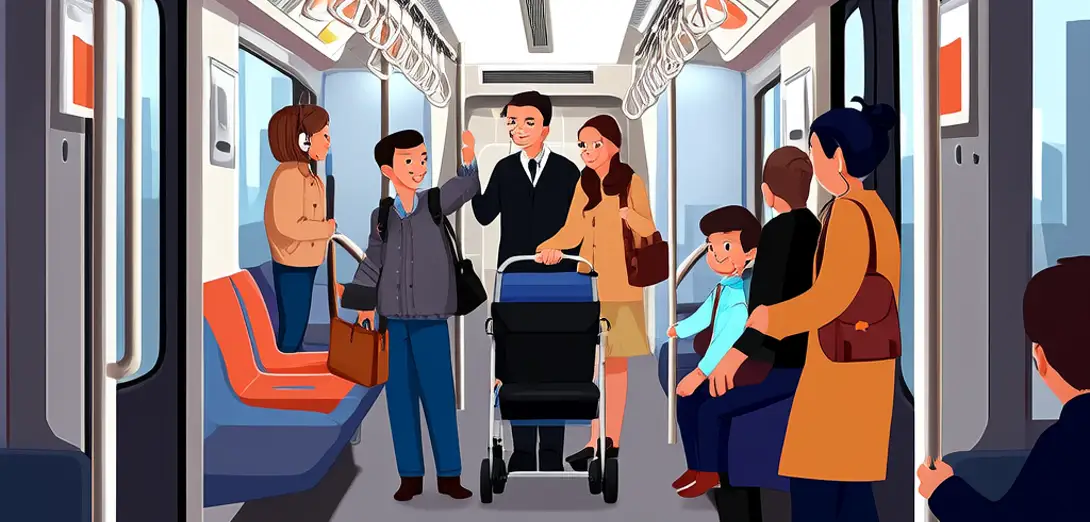
Public Transit Etiquette as Social Contract: Unwritten Rules in Dense Urban Systems
日常交际场景延展阅读·独立成篇(2026-D024)
-
Riding packed subways or buses tests collective self-regulation far more than individual courtesy—a dense transit system functions only through distributed restraint.乘坐拥挤的地铁或公交,考验的远不止个人礼貌,更是群体的自我约束力——高密度交通系统唯有依靠分散的克制才能运转。
-
Volume control on phones isn’t about noise alone; it’s a proxy for respecting others’ cognitive bandwidth in involuntary proximity.手机音量控制不仅关乎噪音,更是对他人在被迫近距离下认知带宽的尊重。
-
Holding doors open longer than necessary disrupts boarding flow, revealing how 'kindness' can unintentionally undermine systemic efficiency.长时间为他人挡门会打乱上车节奏,说明‘善意’有时会无意中损害系统效率。
-
The choice to make eye contact—or not—with fellow riders encodes complex negotiations of privacy, threat assessment, and urban anonymity.与同乘者是否进行眼神接触,暗含着对隐私、威胁判断和城市匿名性的复杂权衡。
-
When someone places a bag on an adjacent seat, they’re not merely occupying space but asserting temporary territoriality in a transient commons.有人把包放在邻座,不只是占位,更是在流动的公共空间里宣示临时领地权。
-
Queue formation at platforms reflects implicit trust in shared temporal logic—even minor deviations trigger micro-frictions across cultural lines.站台排队体现了一种对共同时序逻辑的默许信任,哪怕微小偏差也会在文化差异间引发细微摩擦。
-
Offering seats to elderly passengers follows normative scripts, yet refusing such offers sometimes signals autonomy rather than ingratitude.给老人让座遵循社会惯例,但拒绝让座有时彰显自主性,而非失礼或忘恩。
-
Transit staff rarely intervene in low-grade conflicts because enforcement would destabilize the fragile equilibrium of voluntary compliance.交通工作人员极少介入低烈度冲突,因为强制干预会动摇自愿配合所维系的脆弱平衡。
-
Wearing headphones functions socially as both barrier and invitation: full coverage signals withdrawal, while one earbud suggests conditional openness.戴耳机在社交上兼具屏障与邀请双重功能:完全覆盖表示退离,单耳佩戴则暗示有限开放。
-
Ultimately, transit etiquette persists not through rules but through constant, silent recalibration of personal space against communal throughput.归根结底,公共交通礼仪并非靠规则维系,而是靠个体不断无声调整私人空间以适配公共通行效率。