正在确认阅读权限…
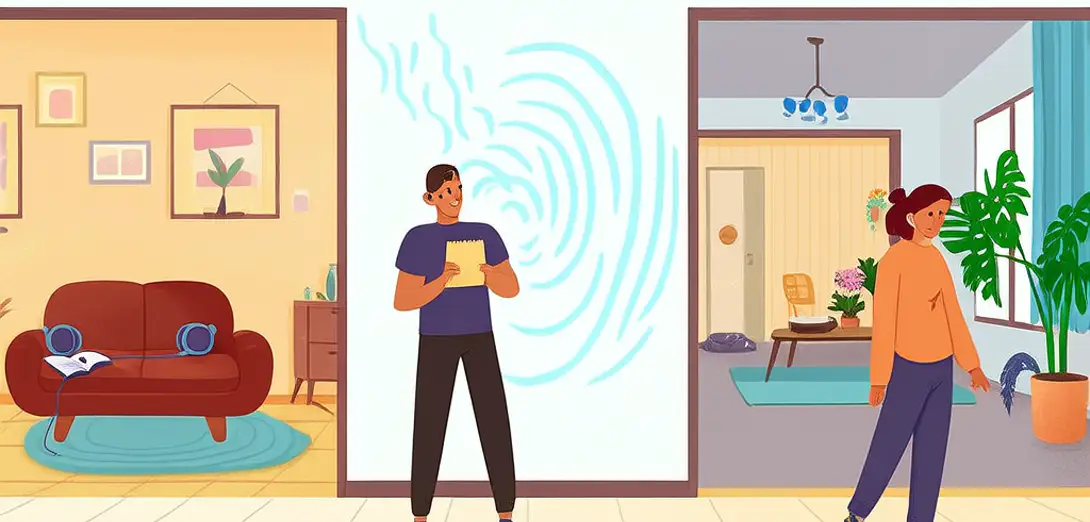
Mediating Noise Disputes Between Tenants: A Landlord’s Neutral Facilitation Protocol
室友噪音与中介协调
-
When tenants report persistent noise from shared walls, avoid immediate attribution—structural transmission often distorts perception of source and severity.租户反映共用墙体持续有噪音时,勿急于归因——结构传声常扭曲对声源及严重程度的判断。
-
Request objective data first: decibel logs taken at consistent times, along with timestamps and room locations, before scheduling any mediation session.先要求提供客观数据:在固定时段测量的分贝记录,并附上时间戳和房间位置,再安排调解会议。
-
Frame the discussion around acoustic rights—not personal grievances—citing local housing codes that define permissible sound levels during daytime and nighttime hours.围绕‘声学权利’展开讨论,而非个人抱怨,援引当地住房法规中关于日间与夜间允许声级的规定。
-
Encourage both parties to articulate desired outcomes, not just complaints: e.g., 'quiet hours after 10 p.m.' versus 'no bass frequencies after 8 p.m.'引导双方明确表达期望结果,而不仅是投诉内容:例如‘晚10点后保持安静’,而非‘晚8点后禁止低频声’。
-
Highlight that flooring choices, furniture placement, and even HVAC maintenance impact sound propagation more than lifestyle differences alone.指出地板材质、家具摆放甚至暖通空调维护对声音传播的影响,远超生活方式差异本身。
-
Suggest practical interventions—mass-loaded vinyl underlays, door sweeps, or staggered study schedules—rather than demanding behavioral change without structural support.建议切实可行的干预措施——如隔音阻尼垫、门底密封条或错峰学习安排——而非在缺乏结构支持的情况下单方面要求改变行为。
-
Remind residents that lease agreements bind them to 'quiet enjoyment,' a legal standard requiring reasonableness, not absolute silence.提醒住户,租赁协议中的‘安静享用权’是一项法律标准,要求合理而非绝对无声。
-
If resolution stalls, propose a third-party acoustics consultant—cost-sharing demonstrates institutional commitment to fairness over expediency.若协商停滞,可提议聘请第三方声学顾问,费用共担体现机构对公平性的承诺,而非追求速决。
-
Document all communication transparently, since unresolved noise disputes frequently escalate into lease termination claims or fair housing complaints.所有沟通均须透明存档,因未解决的噪音纠纷极易升级为解约主张或公平住房投诉。
-
Above all, maintain procedural neutrality: never imply that volume equates to disrespect, nor that sensitivity equates to intolerance.最重要的是保持程序中立:切勿暗示音量等同于不尊重,亦勿将敏感度等同于不容忍。