正在确认阅读权限…
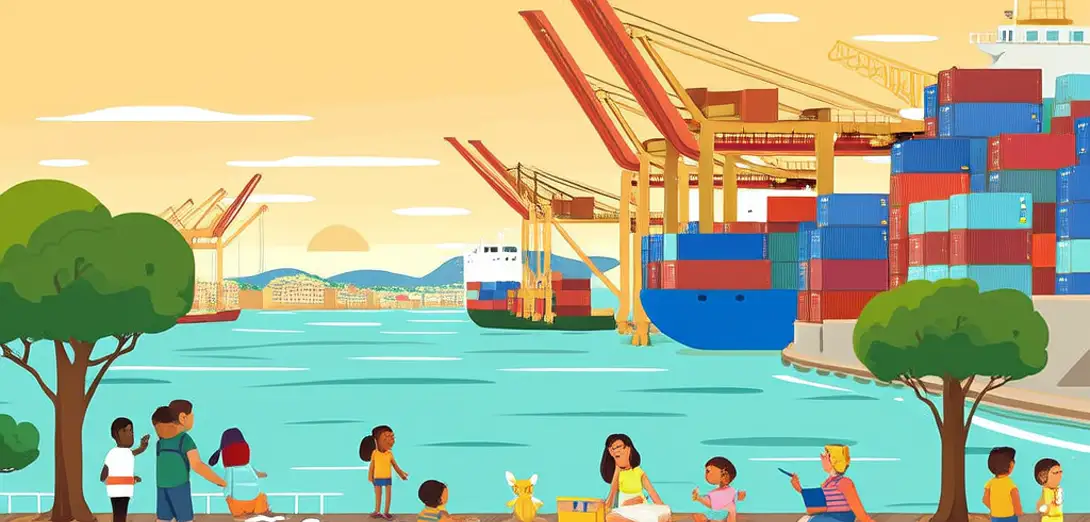
Mediterranean Port Cities: Where Climate Adaptation Meets Maritime Trade Logic
地中海港口城市:气候适应与海运贸易逻辑的交汇
-
Barcelona’s port handles 3.2 million TEUs annually, yet its 2050 climate adaptation plan allocates only 12% of capital expenditure to retrofitting quay walls against projected 0.6m sea-level rise.巴塞罗那港年处理320万标准箱,但其2050气候适应计划仅将12%的资本支出用于加高码头墙,以应对预计0.6米的海平面上升。
-
The Port of Piraeus—now majority-owned by COSCO—expanded container capacity by 400% since 2010, but its stormwater drainage remains designed for 1970s rainfall intensities, increasing flood risk during Medicanes.比雷埃夫斯港现由中远海运控股,自2010年以来集装箱吞吐能力增长400%,但其雨水排放系统仍按上世纪70年代降雨强度设计,加剧了地中海气旋期间的洪涝风险。
-
Marseille’s industrial waterfront hosts Europe’s largest LNG terminal, whose cooling water intake raises localized sea temperatures by 2.3°C—altering plankton blooms critical for anchovy fisheries.马赛工业滨水区坐落着欧洲最大的液化天然气接收站,其冷却水取水使局部海域温度升高2.3℃,扰乱对沙丁鱼渔业至关重要的浮游植物水华。
-
Valencia’s dry-port logistics hub diverts freight from congested docks, yet rail connections rely on aging infrastructure vulnerable to heat-wave buckling—disrupting just-in-time supply chains.瓦伦西亚干港物流枢纽分流了拥堵码头的货运,但铁路连接依赖易受热浪导致轨道变形的老化基础设施,威胁准时制供应链。
-
Tunis’s La Goulette port serves as gateway for 70% of Tunisia’s imports, but its dredging schedule ignores seasonal siltation peaks linked to Saharan dust storms intensified by regional aridification.突尼斯拉古莱特港承担该国70%的进口货物,但其疏浚计划未考虑撒哈拉沙尘暴加剧引发的季节性淤积高峰,而区域干旱化正使沙尘暴更频繁。
-
The EU’s Green Corridors initiative prioritizes decarbonizing shipping lanes—but excludes small-scale coastal fishers whose nets now snag on submerged debris from corroding port breakwaters.欧盟‘绿色走廊’倡议优先推动航运航线脱碳,却将小规模近海渔民排除在外——他们的渔网如今常被腐蚀港口防波堤沉没的残骸缠住。
-
Genoa’s historic harbor underwent seismic retrofitting after the 2018 Morandi Bridge collapse, yet climate-resilience upgrades for tidal surge protection lagged by four years due to funding disputes.热那亚历史港口在2018年莫兰迪大桥坍塌后完成抗震加固,但应对潮汐风暴的气候韧性升级因资金争执滞后四年。
-
Cyprus’s Limassol port expanded cruise facilities to boost tourism, but desalination plants built to serve ships now consume 22% of the island’s freshwater budget—straining agricultural users.塞浦路斯利马索尔港扩建邮轮设施以提振旅游业,但为服务船舶新建的海水淡化厂已消耗全岛22%的淡水预算,挤压农业用水。
-
Port authorities increasingly deploy AI-powered wave-height prediction—but these models are trained on Atlantic data, underestimating Mediterranean rogue wave frequency by 37%.港口当局日益部署人工智能驱动的浪高预测系统,但这些模型基于大西洋数据训练,在地中海对极端巨浪发生频率的预估偏低37%。
-
Trade logic dictates port expansion, yet climate adaptation requires managed retreat: Marseille’s proposed ‘blue belt’ marine park would restrict dredging in ecologically sensitive zones near shipping lanes.贸易逻辑要求港口扩张,而气候适应则需有序退让:马赛拟建的‘蓝色环带’海洋公园将在航道附近生态敏感区限制疏浚作业。
-
The tension isn’t between economy and ecology—it’s between short-term throughput optimization and long-term systemic resilience across port-industrial-urban-marine interfaces.矛盾并非存在于经济与生态之间,而在于短期吞吐效率优化与港口—工业—城市—海洋界面长期系统韧性的取舍。
-
Mediterranean ports reveal how global trade infrastructure, designed for stability, must now navigate accelerating volatility—where a single extreme weather event can cascade through supply chains, energy grids, and food systems.地中海港口揭示出:原本为稳定性而建的全球贸易基础设施,如今必须应对加速加剧的不确定性——单次极端天气事件即可冲击供应链、电网与粮食系统。