正在确认阅读权限…
Beyond the Carbon Footprint: Mapping Embodied Energy in Everyday Objects
超越碳足迹:日常物品中隐含能源的地图绘制
-
A single smartphone contains 70+ elements mined across 12 countries—the cobalt from DRC, tantalum from Rwanda, lithium from Chile’s Atacama Salt Flat—each extraction phase consuming vast amounts of water and energy.一部智能手机含有70多种元素,开采自12个国家——刚果(金)的钴、卢旺达的钽、智利阿塔卡马盐沼的锂;每个开采环节均消耗大量水和能源。
-
Manufacturing the aluminum chassis of a laptop requires electricity equivalent to powering an average EU household for 14 months—mostly drawn from coal grids in China and Vietnam.制造一台笔记本电脑的铝制外壳所需电力,相当于欧盟普通家庭14个月的用电量——主要来自中国和越南的煤电电网。
-
Shipping a pair of sneakers from Ho Chi Minh City to Hamburg emits 12 kg CO₂e, yet the raw-material processing—rubber vulcanization, synthetic fiber production—accounts for 68% of total lifecycle emissions.一双运动鞋从胡志明市运抵汉堡排放12千克二氧化碳当量,但原材料加工(如橡胶硫化、合成纤维生产)占其全生命周期排放的68%。
-
The ‘embodied water’ in a cotton t-shirt grown in Uzbekistan’s Aral Sea basin exceeds 2,700 liters—more than three years of drinking water for one person—highlighting hydrological externalities absent from carbon accounting.乌兹别克斯坦咸海流域所产棉质T恤的‘隐含用水’超2700升——超过一人三年的饮用水量,凸显碳核算中缺失的水文外部性。
-
Recycling aluminum saves 95% of primary production energy, yet global collection rates for beverage cans stand at just 69%, with informal waste pickers in India and Brazil recovering 80% of that fraction without formal recognition.回收铝可节省95%的原生生产能耗,但全球饮料罐回收率仅为69%,其中印度和巴西的非正规拾荒者贡献了该回收量的80%,却未获正式认可。
-
A stainless-steel kitchen knife forged in Solingen, Germany, carries embodied energy from Swedish iron ore, Ukrainian nickel, and Dutch refining—supply chain opacity obscures accountability for emissions.德国索林根锻造的不锈钢厨刀,其隐含能耗源自瑞典铁矿石、乌克兰镍矿及荷兰精炼——供应链不透明掩盖了排放责任。
-
Building materials dominate urban carbon footprints: concrete production contributes 8% of global CO₂, yet most city climate plans focus exclusively on operational energy in buildings.建材主导城市碳足迹:水泥生产占全球二氧化碳排放的8%,但多数城市气候计划仅聚焦建筑运行能耗。
-
The EU’s Digital Product Passport initiative mandates disclosure of recycled content and origin data—but excludes artisanal producers and small workshops unable to afford blockchain verification costs.欧盟数字产品护照倡议要求披露再生材料含量与来源信息,却将无力承担区块链验证成本的手工艺人和小型作坊排除在外。
-
Embodied energy mapping reveals hidden dependencies: a solar panel’s clean-energy output is offset by polysilicon purification requiring coal-fired electricity in Inner Mongolia.隐含能耗测绘揭示隐性依赖:太阳能板的清洁发电效益,被内蒙古依赖煤电进行的多晶硅提纯所抵消。
-
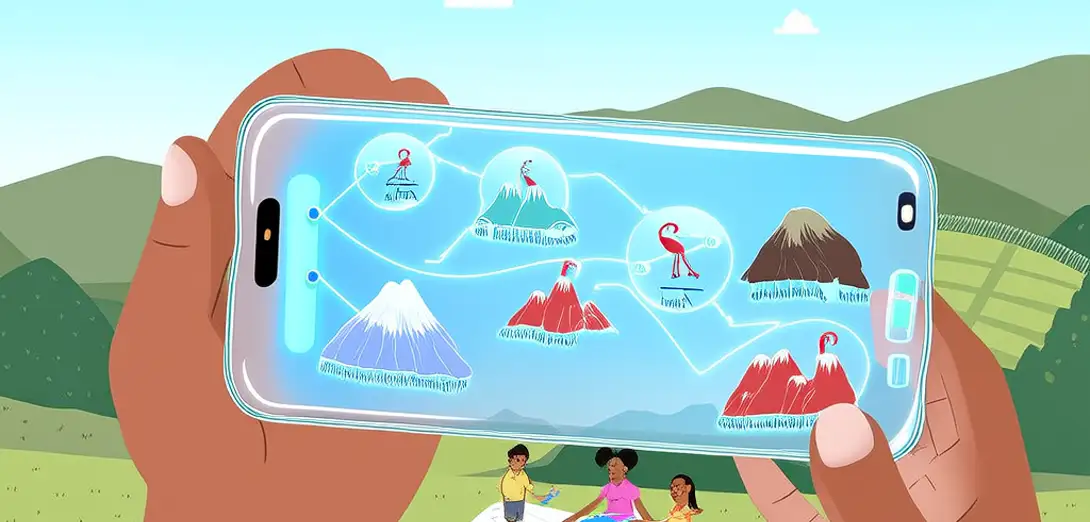
When consumers choose ‘eco-friendly’ products, they rarely see the trade-offs—like lithium mining’s impact on Andean flamingo habitats or rare-earth processing’s radioactive tailings in Malaysia.消费者选择‘环保’产品时,往往看不到背后的权衡——例如锂矿开采对安第斯火烈鸟栖息地的破坏,或稀土加工在马来西亚产生的放射性废料。
-
Shifting from product-level carbon labels to systemic material-flow analysis enables policy interventions targeting extraction, manufacturing concentration, and circularity bottlenecks.从单品碳标签转向系统性物质流分析,方能推动政策干预,靶向治理开采、制造集中度及循环瓶颈。
-
True sustainability demands tracing not just carbon, but the full geography of energy, water, labor, and toxicity embedded in every object we touch, wear, or discard.真正的可持续性,不仅需追踪碳,更须厘清每一件我们触摸、穿着或丢弃之物所嵌入的全部地理维度:能源、水、劳工与毒性。