正在确认阅读权限…
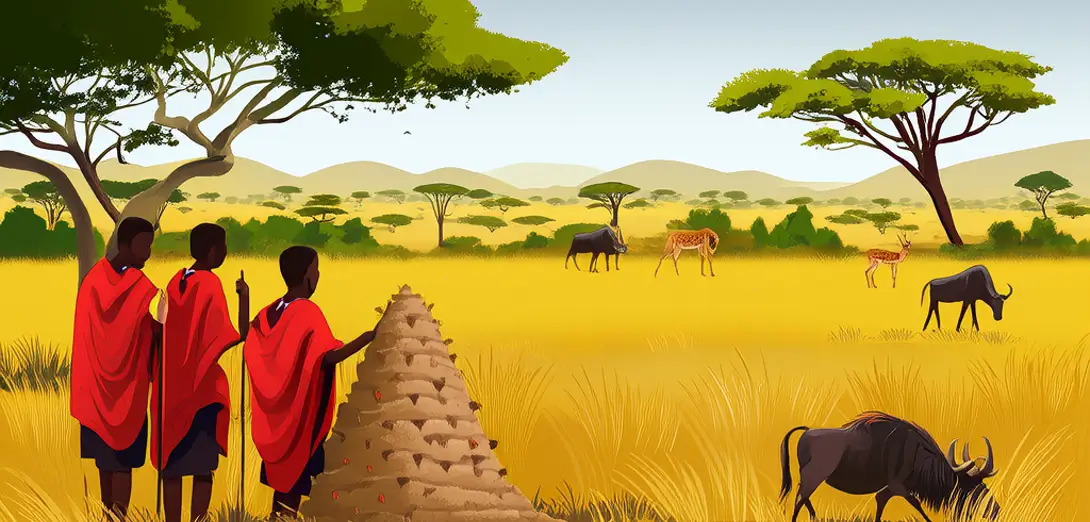
Serengeti Migration Corridors and Maasai Pastoral Epistemology of Rainfall Rhythms
塞伦盖蒂迁徙廊道与马赛人降雨节律的游牧认知体系
-
Maasai herders in northern Tanzania read rainfall rhythms not from meteorological stations but from acacia leaf phenology, termite mound orientation, and wildebeest fetal development stages.坦桑尼亚北部的马赛牧民不靠气象站,而是通过金合欢树叶物候、白蚁丘朝向和角马胎儿发育阶段来判断降雨规律。
-
Migration corridors are maintained not by conservation zoning alone but through negotiated grazing access tied to seasonal rain arrival windows verified by elder-led sky-watching.迁徙廊道的维系不仅依靠保护区划界,更依赖于依据长老观天验证的雨季 arrival 时间所协商确定的放牧权。
-
When wildebeest herds stall unexpectedly, Maasai interpret this as atmospheric imbalance signaled by altered bird-call sequences and dust-haze thickness at dawn.当角马群 unexpectedly 停滞时,马赛人将其解读为大气失衡的信号,表现为鸟鸣序列变化和黎明时尘霾厚度异常。
-
Conservation authorities now consult Maasai rain calendars—structured around eight distinct wet-season phases—to time anti-poaching patrols and veterinary interventions.如今,保护机构参考马赛人的雨历——该历法将雨季细分为八个明确阶段——来安排反盗猎巡逻和兽医干预时间。
-
Drought resilience hinges on inter-clan livestock loan systems calibrated to predicted dry-spell duration derived from cloud formation over Mount Kilimanjaro.抗旱韧性取决于部族间牲畜借贷体系,其规模依据乞力马扎罗山云形预测的干旱持续期而动态调整。
-
Satellite-derived NDVI data is validated against Maasai assessments of grass height measured by standardized spear-length units.卫星反演的归一化植被指数(NDVI)数据,须以马赛人用标准长矛长度单位测定的草高评估结果进行校验。
-
Pastoral knowledge treats precipitation not as isolated events but as rhythmic pulses within a larger atmospheric choreography linking Indian Ocean currents and Sahel moisture transport.游牧知识将降水视作大气整体律动中的节奏性脉冲,这一律动连接着印度洋洋流与萨赫勒地区水汽输送。
-
Young herders learn rain forecasting through mnemonic songs listing 47 cloud types, each associated with expected delay between first raindrop and subsequent herd movement.年轻牧人通过记忆歌谣学习降雨预测,歌谣列举47种云型,每种对应首滴雨落至畜群启程间的预期时长。
-
Rangeland management plans now include Maasai-defined ‘breathing spaces’—temporary no-graze zones activated when antelope behavior signals imminent localized downbursts.牧场管理计划现已纳入马赛人定义的‘呼吸区’——即当羚羊行为预示局部强对流即将发生时启动的临时禁牧区。
-
This epistemology reframes drought not as scarcity but as misalignment between human movement and atmospheric timing.这种认知体系将干旱重新定义为人类活动节律与大气节律之间的错位,而非单纯的资源匮乏。
-
Climate models increasingly incorporate Maasai rainfall onset thresholds to improve early-warning accuracy for transboundary pastoral systems.气候模型日益整合马赛人判定的降雨始期阈值,以提升跨境游牧系统早期预警的准确性。
-
The Serengeti thus remains a dynamic archive where animal movement, human memory, and monsoon physics co-author ecological law.因此,塞伦盖蒂既是活态档案:动物迁徙、人类记忆与季风物理在此共同书写生态法则。