正在确认阅读权限…
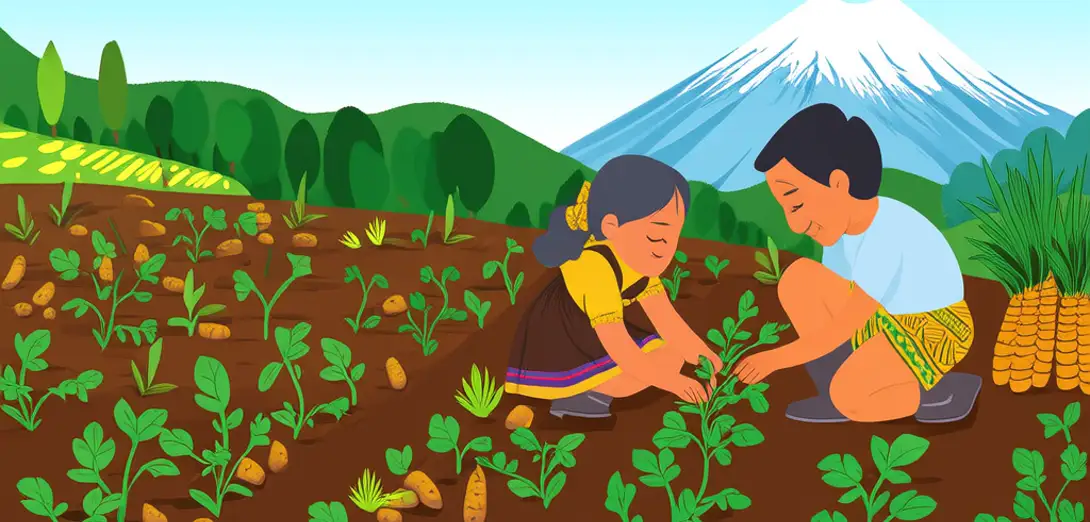
Volcanic Soil Fertility and Māori Agroforestry Ontologies in Taranaki
塔拉纳基火山土壤肥力与毛利人农林共生本体论
-
In New Zealand’s Taranaki region, Māori cultivators treat volcanic soils not as inert substrates but as living taonga (treasures) with genealogical ties to ancestral mountains.在新西兰塔拉纳基地区,毛利耕作者不将火山土壤视为惰性基质,而是视其为具有祖先山脉血缘关系的活态宝物(taonga)。
-
Pā harakeke (flax plantations) are managed through whakapapa-based pruning cycles that mirror eruption intervals recorded in oral histories and tephra layers.帕哈拉凯克(亚麻种植园)通过基于谱系(whakapapa)的修剪周期进行管理,该周期与口述史和火山灰层所记载的喷发间隔相呼应。
-
Soil fertility assessments rely on kaitiaki (guardians) reading earthworm density, fungal hyphae visibility, and the scent of decaying fern fronds after rain.土壤肥力评估依赖守护者(kaitiaki)观察蚯蚓密度、菌丝可见度,以及雨后蕨类嫩叶腐烂时的气味。
-
European-introduced monocropping disrupted nutrient cycling, yet contemporary rongoā (medicinal plant) gardens now integrate mycorrhizal networks mapped via isotopic tracing.欧洲引入的单一种植扰乱了养分循环,而当代朗戈阿(药用植物)园则通过同位素示踪绘制的菌根网络实现整合。
-
Land trusts led by iwi (tribes) reject soil-testing reports without accompanying karakia (incantations) acknowledging the land’s mana before sampling.由伊维(部落)主导的土地信托机构拒绝接受未附带卡拉基亚(祈福吟诵)的土壤检测报告——该吟诵须在采样前承认土地的灵力(mana)。
-
Volcanic ash deposits are classified not by chemical composition alone but by their ‘voice’—how wind carries fine particles across valleys during specific lunar phases.火山灰沉积物不仅依化学成分分类,更依其‘声音’划分——即特定月相期间风如何将细微颗粒吹越山谷。
-
Youth training programs pair GIS soil-moisture mapping with traditional knowledge of when to harvest kūmara tubers based on star positions and root-skin texture.青年培训项目将GIS土壤湿度测绘与传统知识相结合,后者依据星象位置及薯芋块茎表皮质地判断采收时机。
-
Restoration projects measure success not only in biomass recovery but in the return of native wētā insects whose burrowing aerates compacted pumice soils.生态修复项目不仅以生物量恢复衡量成效,更看重本土韦塔昆虫的回归——其掘穴行为可疏松板结的浮石土壤。
-
Māori agroforestry rejects the Western dichotomy between ‘wild’ and ‘cultivated’, treating regenerating bush as co-farmer rather than competitor.毛利农林复合系统摒弃西方‘野生’与‘栽培’的二元对立,将再生灌丛视为协作农夫而非竞争者。
-
Soil carbon sequestration initiatives now require co-signature from both regional councils and kaumātua (elders) who verify alignment with ancestral land-use covenants.土壤碳封存计划现须同时获得地方议会与长者(kaumātua)共同签署,后者须确认其符合祖先土地使用契约。
-
Taranaki’s volcanic terrain thus functions as an ontological archive where geology, botany, and kinship converge in layered time.因此,塔拉纳基的火山地貌成为一座本体论档案库,地质、植物与亲缘关系在层叠的时间中交汇。
-
Farming here is less about yield optimization than sustaining reciprocal obligation across geological and generational scales.此处的农耕重心不在产量优化,而在维系跨越地质尺度与世代尺度的互惠责任。