正在确认阅读权限…
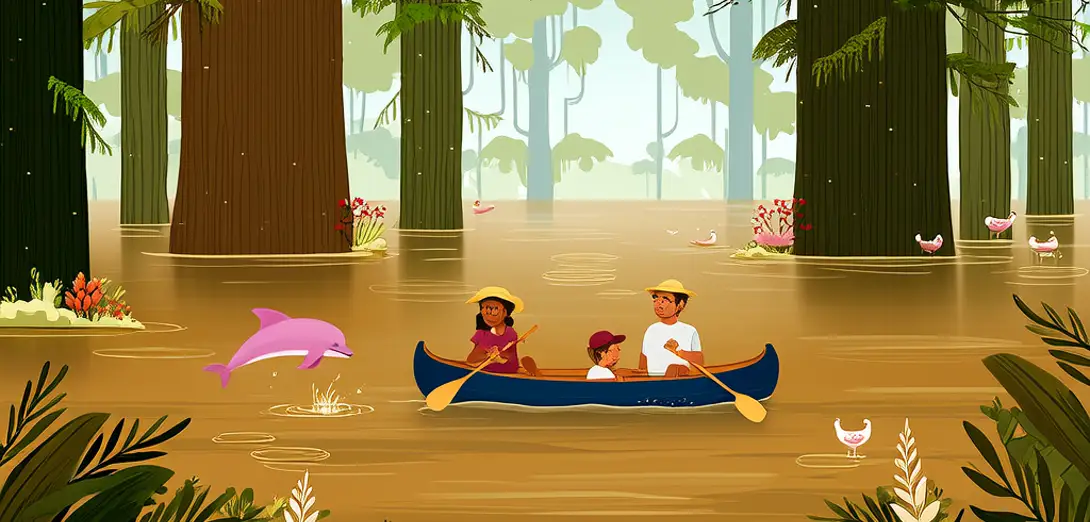
Amazonian White-Water Pulse: Solimões Hydrodynamics and the Seasonal Ontology of Riverine Livelihoods
亚马孙白水脉动:索利蒙斯河水动力学与河岸生计的季节本体论
-
The Solimões River discharges up to 300,000 m³/s during peak flood, transforming 300,000 km² of forest into a continuous aquatic corridor.索利蒙斯河在汛期峰值时径流量高达30万立方米/秒,将30万平方公里森林变为连贯的水生廊道。
-
Riverine communities distinguish seven flood stages—not by height alone but by fish spawning cues, fruiting trees, and sediment color shifts.沿河社区依据鱼类产卵信号、果树结果和沉积物颜色变化,而非单纯水位,划分七个洪水阶段。
-
White-water floods carry Andean nutrients that fertilize varzea forests, making them among Earth’s most biologically productive floodplains.白水洪水携带来自安第斯山脉的养分,滋养泛滥平原森林,使其成为地球上生物生产力最高的洪泛区之一。
-
GPS-tracked canoes now overlay indigenous flood-stage names onto satellite-derived inundation models, revealing model inaccuracies in narrow tributary zones.搭载GPS的独木舟现将原住民洪水阶段名称叠加于卫星遥感淹没模型上,揭示了狭窄支流区域模型的偏差。
-
Commercial fishers time gear deployment using lunar cycles synchronized with flood recession rates, not fixed calendar dates.商业渔民依据月相周期与退水速率同步安排渔具投放时间,而非固定日历日期。
-
Health clinics adjust mobile unit rotations to match the annual migration of floating pharmacies along rising riverbanks.卫生诊所调整流动医疗单元轮转计划,以匹配‘浮动药房’随河水上涨沿岸迁移的年度节律。
-
Deforestation upstream alters sediment load, compressing the fertile 'black-water transition' window critical for seed dispersal.上游毁林改变泥沙负荷,压缩对种子传播至关重要的富营养‘黑水过渡期’。
-
Floodplain schools operate on amphibious calendars—dry-season classrooms become dry docks; wet-season classrooms float on anchored barges.洪泛区学校采用两栖校历:旱季教室变为船坞,雨季教室则锚泊于浮动趸船上。
-
Anthropologists document how ‘river time’ governs debt repayment, marriage negotiations, and inheritance transfers more reliably than state-issued documents.人类学家记录显示,‘河流时间’比政府颁发的文件更可靠地支配着债务偿还、婚约协商与遗产移交。
-
The Solimões pulse is not a disturbance but the organizing principle for social metabolism across hundreds of settlements.索利蒙斯河脉动并非干扰,而是数百个聚落社会新陈代谢的组织原则。
-
Climate models underestimate its variability because they treat discharge as scalar, not ontological—ignoring how communities inhabit flood as identity.气候模型低估其变异性,因其将径流视为标量而非本体——忽视了社群如何将洪水内化为身份认同。
-
White-water hydrology here is inseparable from epistemology: knowing the river means knowing when, how, and with whom to move.此处白水水文与认识论密不可分:识河即识何时、如何及与谁同行。