正在确认阅读权限…
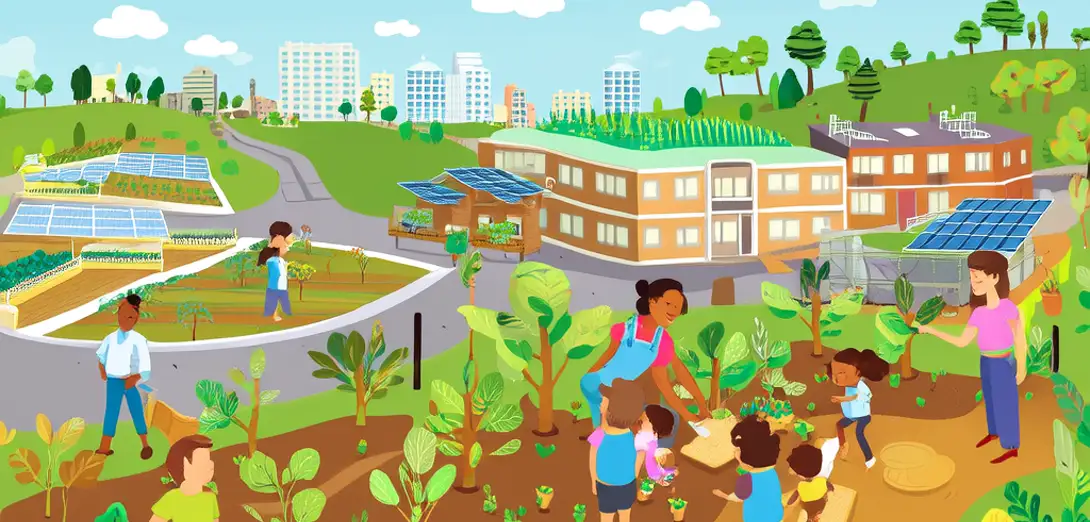
Climate Migration as Urban Planning Imperative, Not Humanitarian Exception
气候移民是城市规划的必然要求,而非人道主义例外情况
-
By 2050, up to 216 million people may relocate internally due to climate impacts—but most destination cities lack zoning codes or housing finance mechanisms for climate-displaced populations.到2050年,最多2.16亿人可能因气候影响在国内迁移,但大多数迁入城市缺乏针对气候移民的分区法规或住房融资机制。
-
Dhaka’s informal settlements house 3.5 million climate migrants from coastal salinity zones, yet municipal budgets allocate zero funds for incremental infrastructure upgrades in these areas.达卡的非正规住区容纳了350万来自沿海盐碱地带的气候移民,但市政预算未拨付任何资金用于这些区域的渐进式基础设施升级。
-
The City of Miami integrates sea-level rise projections directly into building code revisions, requiring elevated foundations and storm-resilient utility connections for all new construction.美国迈阿密市将海平面上升预测直接纳入建筑规范修订,要求所有新建项目采用抬高地基及抗风暴公用设施连接。
-
In Kenya, Nairobi’s Mathare slum hosts 120,000 residents displaced by prolonged drought—yet city master plans continue to designate the area as ‘temporary settlement’ ineligible for piped water investment.肯尼亚内罗毕马萨雷贫民窟居住着12万因长期干旱被迫迁移的居民,但城市总体规划仍将其划为‘临时定居点’,无资格获得管道供水投资。
-
Germany’s ‘Integration Through Qualification’ program links climate migrants from Sahel countries with vocational training in renewable energy installation—aligning labor needs with adaptation priorities.德国‘通过资质实现融合’计划,将来自萨赫勒地区的气候移民与可再生能源安装职业培训对接,使劳动力需求与适应优先事项相协调。
-
Jakarta’s mass relocation of 400,000 residents from flood-prone North Jakarta lacks parallel investment in satellite-town job creation, deepening economic precarity.雅加达将北雅加达洪泛区40万居民大规模迁出,却未同步在卫星城投资创造就业岗位,加剧了经济不稳定性。
-
Portland, Oregon’s ‘Climate Resilience Hub’ network repurposes libraries and community centers as shelters with backup power and multilingual staff trained in trauma-informed care.美国俄勒冈州波特兰市‘气候韧性中心’网络将图书馆和社区中心改造为避难所,配备备用电源,并配有接受过创伤知情照护培训的多语种工作人员。
-
Urban land banks in New Orleans now prioritize parcels in high-risk zones for green infrastructure—not redevelopment—reducing pressure to rebuild in vulnerable locations.新奥尔良市的城市土地银行如今优先将高风险区域地块用于绿色基础设施建设,而非再开发,以减轻在脆弱地区重建的压力。
-
Bangladesh’s ‘Char Development Program’ supports floating schools and mobile health clinics on river islands, acknowledging mobility as adaptive strategy—not failure.孟加拉国‘河岛发展计划’在河流岛屿上设立浮动学校和流动医疗诊所,视人口流动为适应策略,而非失败。
-
Mainstreaming climate migration means treating arrival as demographic normalcy, not emergency: adjusting school capacities, transit frequency, and rental voucher programs proactively.将气候移民主流化,意味着将人口迁入视为人口常态,而非紧急事件:主动调整学校容量、公交班次及租房券计划。
-
When cities frame displacement solely as loss, they miss opportunities to leverage migrant knowledge—such as Sundanese rice-terrace engineering or Marshallese wave-forecasting traditions.当城市仅将流离失所视为损失时,便错失了利用移民知识的机遇——例如巽他族梯田水稻耕作技术或马绍尔群岛海浪预报传统。
-
Urban planning must evolve from static blueprints to dynamic platforms—capable of absorbing, adapting, and co-designing with populations whose movement redefines metropolitan boundaries.城市规划必须从静态蓝图演变为动态平台——能够吸纳、适应并协同设计,与那些重新定义都市边界的流动人口共同演化。