正在确认阅读权限…
Rivers as Archives: Sediment, Memory, and the Politics of Restoration
河流作为档案:沉积物、记忆与修复政治
-
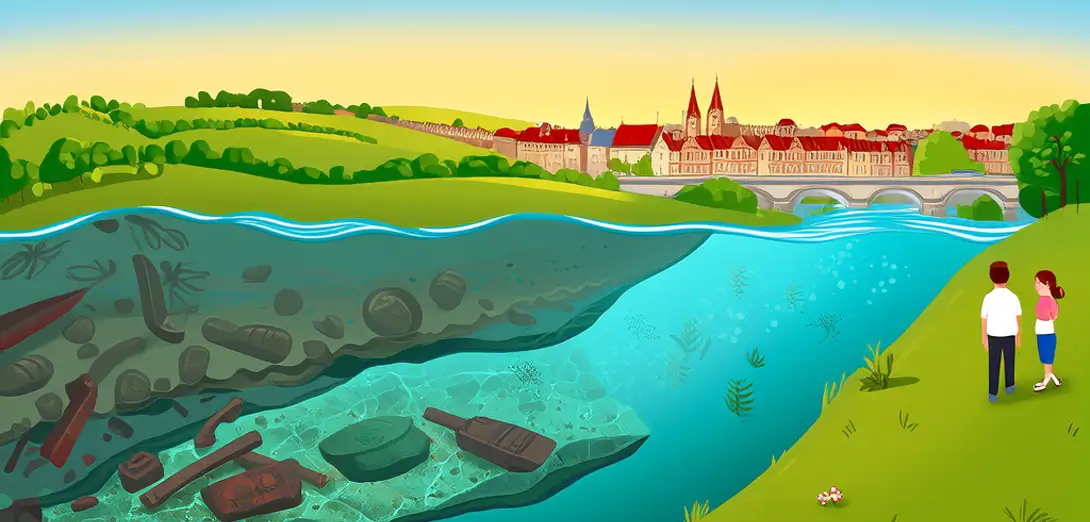
The Rhine River carries not just water, but layers of industrial lead, WWII munitions residue, and medieval trade pottery—each stratum a palimpsest of human intervention.莱茵河承载的不仅是水,还有工业铅、二战弹药残留物和中世纪贸易陶器——每一层都是人类干预的重写本。
-
Dam removal on the Elwha River in Washington State released 24 million cubic meters of sediment, restoring salmon spawning grounds but also exposing legacy PCB contamination in newly exposed banks.华盛顿州埃尔瓦河拆除水坝后释放了2400万立方米泥沙,恢复了鲑鱼产卵地,但也暴露出新裸露河岸中遗留的多氯联苯污染。
-
In Kyoto, the Kamo River’s stone embankments—built in 1936 to prevent flooding—now host cherry-blossom viewing rituals that erase memories of the 1953 flood that killed 1,200 people.京都鸭川1936年修建的石砌堤岸本为防洪而建,如今却成为赏樱仪式场所,悄然抹去了1953年造成1200人死亡的洪水记忆。
-
The Thames Tideway Tunnel project buries sewage overflow points deep underground, yet its cost—£4.2 billion—diverts funds from upstream wetland restoration critical for flood attenuation.泰晤士潮道隧道工程将污水溢流口深埋地下,但其42亿英镑造价却挤占了上游湿地修复资金——而后者对缓解洪水至关重要。
-
Indigenous-led dam removal on the Klamath River prioritized Yurok cultural sites and ceremonial fishing access alongside ecological metrics—challenging Western science’s narrow definitions of ‘restoration success’.克拉马斯河由原住民主导的拆坝行动,将尤洛克族文化遗址与仪式性捕鱼权置于生态指标同等地位,挑战西方科学对‘修复成功’的狭隘定义。
-
Nile sediment trapped behind Egypt’s Aswan High Dam has reduced delta land-building capacity by 95%, forcing costly coastal armoring while displacing farming families.埃及阿斯旺高坝拦截尼罗河泥沙,使三角洲造陆能力下降95%,迫使政府投入巨资加固海岸,同时迫使农耕家庭迁离故土。
-
Urban river daylighting projects in Seoul (Cheonggyecheon) and Melbourne (Yarra) emphasize aesthetic revival—but often exclude informal vendors and homeless populations historically reliant on those waterways.首尔清溪川与墨尔本亚拉河的城市河道复明工程强调美学复兴,却常将长期依赖这些水道谋生的流动摊贩与无家可归者排除在外。
-
Radiocarbon dating of Mississippi River floodplain cores reveals that 19th-century levee construction intensified overbank deposition, accelerating land loss in Louisiana’s wetlands.密西西比河泛滥平原岩芯的放射性碳测年显示,19世纪堤坝建设加剧了漫滩沉积,加速了路易斯安那州湿地的陆地流失。
-
Restoration ecology increasingly incorporates oral histories: Māori elders in Aotearoa contributed flood-frequency narratives that revised 100-year flood models for the Whanganui River.修复生态学日益纳入口述史:奥特亚罗瓦毛利长老提供的怀卡努伊河洪水频次叙述,修正了百年一遇洪水模型。
-
When rivers are treated solely as hydraulic conduits, their role as repositories of cultural memory—and sites of contested belonging—is systematically erased.当河流仅被视作水力通道时,其作为文化记忆载体及归属权争议场域的角色便系统性地被抹去。
-
True river restoration requires confronting uncomfortable archives: colonial dredging records, corporate pollution logs, and eviction notices tied to flood-control projects.真正的河流修复,须直面那些令人不安的档案:殖民时期的疏浚记录、企业污染日志,以及与防洪工程挂钩的驱逐通知。
-
The most resilient rivers aren’t those returned to ‘pristine’ states, but those whose layered histories—including injustice and repair—are acknowledged in governance and design.最具韧性的河流,并非回归所谓‘原始’状态,而是其层层叠叠的历史——包括不公与修复——在治理与设计中得到承认。