正在确认阅读权限…
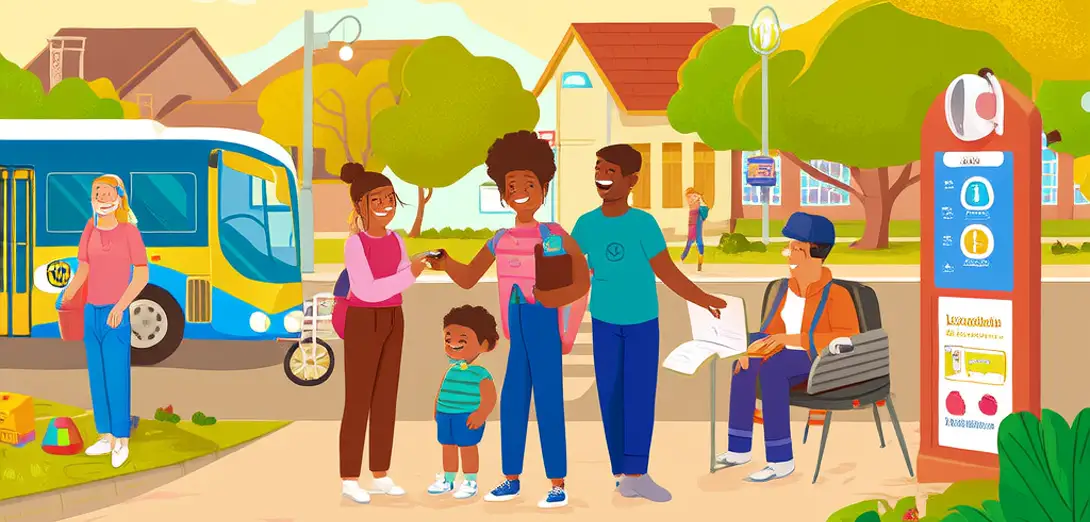
Universal Basic Services: A Complement to Income Transfers in Modern Welfare Design
全民基础服务:现代福利体系中对收入转移的必要补充
-
Universal basic services (UBS) guarantee access—not cash—to essential goods like transport, broadband, childcare, and lifelong learning regardless of income level.全民基本服务(UBS)保障所有人——无论收入高低——都能获得交通、宽带、托育和终身学习等基本服务,而非直接发放现金。
-
Unlike means-tested benefits, UBS reduces stigma, administrative overhead, and behavioral disincentives associated with conditional welfare programs.与家计调查式福利不同,UBS降低了污名化、行政成本,以及附带条件的福利项目所引发的行为抑制效应。
-
They address capability deprivation directly: reliable transit expands job search radius; digital access enables remote work and civic participation.UBS直接应对能力剥夺:可靠的公共交通扩大求职范围;数字接入支持远程工作和公民参与。
-
Financing UBS requires reallocating existing public expenditure—not necessarily new taxation—by shifting from fragmented subsidies toward integrated service delivery systems.UBS的资金来源在于重新配置现有公共支出——未必需要新增税收——将零散补贴转向整合式服务体系。
-
Evidence from pilot cities shows UBS improves labor force attachment among marginalized groups more consistently than one-off cash grants.试点城市证据表明,UBS在增强边缘群体劳动力参与方面,效果比一次性现金补助更稳定可靠。
-
Critics rightly note that service quality varies: universal access means little without adequate staffing, maintenance, and geographic equity in provision.批评者正确指出服务品质参差不齐:若缺乏充足人手、有效维护和地域均衡供给,‘普遍可及’便形同虚设。
-
UBS complements, rather than replaces, progressive income transfers—since some needs, like medical copays or emergency expenses, remain inherently monetary.UBS并非取代、而是补充累进式收入转移支付——因部分需求(如医疗自付额或紧急开支)本质上仍需货币解决。
-
Their design reflects evolving notions of citizenship: participation in society increasingly depends on connectivity, mobility, and continuous skill development—not just subsistence.UBS的设计体现公民身份内涵的演进:社会参与日益依赖连接性、流动性与持续技能提升,而不仅是生存保障。
-
Digital infrastructure now qualifies as foundational as roads or electricity, making broadband inclusion a core component of 21st-century UBS frameworks.数字基础设施如今已与道路、电力同属基础性设施,宽带普及因而成为21世纪UBS框架的核心组成部分。
-
Scaling UBS demands cross-departmental governance—breaking down silos between transport, education, health, and housing bureaucracies.推广UBS需跨部门协同治理——打破交通、教育、卫生与住房等行政部门之间的壁垒。
-
Success hinges on co-design with users, not top-down specification: participatory budgeting ensures services match actual community capabilities and constraints.成败关键在于与使用者共同设计,而非自上而下指定方案:参与式预算确保服务切实契合社区的实际能力与约束条件。
-
UBS reframes welfare not as charity but as shared infrastructure—investing in collective productivity and democratic resilience alike.UBS将福利重新定义为共享基础设施——既投资于集体生产力,也增强民主韧性。