正在确认阅读权限…
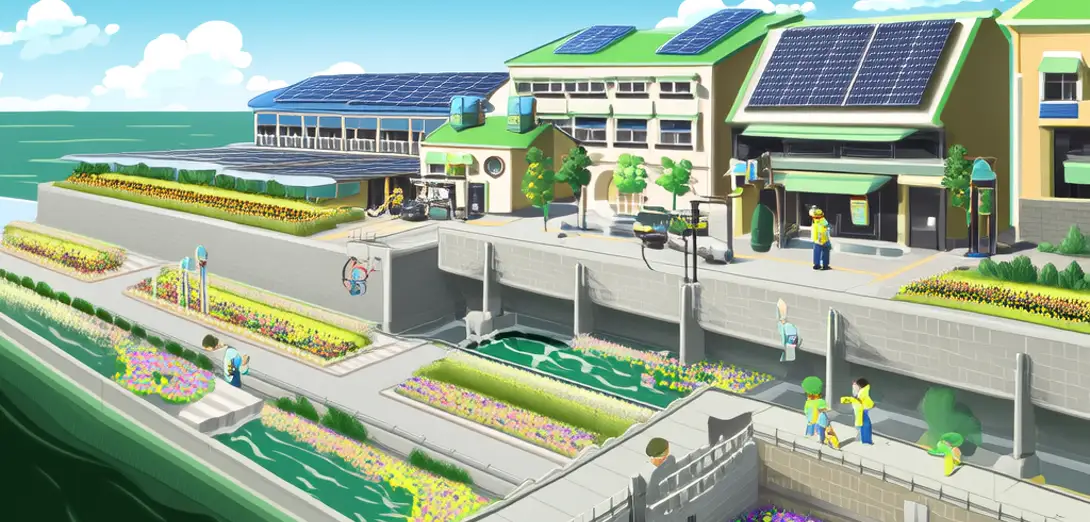
Resilient Infrastructure: Engineering for Climate Uncertainty
韧性基础设施:面向气候不确定性的工程设计
-
Modern infrastructure design no longer assumes historical climate patterns; engineers now use IPCC RCP 8.5 and SSP5-8.5 scenarios to stress-test coastal flood defenses and inland drainage networks.现代基础设施设计不再依赖历史气候模式;工程师现采用IPCC的RCP 8.5和SSP5-8.5情景,对沿海防洪设施和内陆排水系统进行压力测试。
-
Probabilistic risk modeling replaces deterministic thresholds: a ‘100-year storm’ is now expressed as annual exceedance probability — enabling adaptive investment phasing across municipalities.概率风险建模取代确定性阈值:‘百年一遇风暴’现以年超越概率表达,支持各地市政部门分阶段开展适应性投资。
-
Materials innovation supports resilience: self-healing concrete with embedded microcapsules reduces maintenance costs by 35% in flood-prone subway tunnels exposed to chloride-rich groundwater.材料创新提升韧性:含嵌入式微胶囊的自修复混凝土,使氯离子富集地下水环境下的易涝地铁隧道维护成本降低35%。
-
Urban heat island mitigation is integrated into civil specs: cool-pavement coatings must meet ASTM E1980 albedo standards while sustaining heavy-vehicle traffic loads for 15+ years.城市热岛缓解措施已纳入土木工程规范:冷路面涂层须满足ASTM E1980反照率标准,并能承受重载车辆交通15年以上。
-
Grid modernization includes distributed generation hardening — solar microgrids with islanding capability kept hospitals operational during Hurricane Maria’s 11-month blackout.电网现代化包含分布式电源加固:具备孤岛运行能力的太阳能微电网,在玛丽亚飓风导致的长达11个月停电期间保障了医院持续运转。
-
Regulatory frameworks now mandate ‘no-regrets’ adaptations: retrofitting bridges for sea-level rise adds <2% to capital cost but prevents $200M+ in future reconstruction.监管框架现强制要求‘无悔’适应措施:为应对海平面上升改造桥梁,仅增加不到2%的建设成本,却可避免未来超2亿美元的重建支出。
-
Interdependencies complicate resilience: a power outage cascades into water treatment failure, then into hospital HVAC collapse — demanding cross-system simulation tools like INFRARISK.系统间相互依赖加剧韧性挑战:一次停电可能引发水处理失效,继而导致医院暖通空调系统崩溃——亟需INFRARISK等跨系统仿真工具。
-
Community co-design ensures technical solutions align with local knowledge: Pacific Island engineers incorporate traditional wave-breaker coral planting alongside engineered seawalls.社区协同设计确保技术方案契合本地知识:太平洋岛国工程师将传统珊瑚礁消浪种植与人工海堤同步实施。
-
Life-cycle assessment extends beyond carbon: engineers quantify embodied water, land-use change, and biodiversity impact — not just CO2e — in infrastructure procurement.生命周期评估不再局限于碳排放:工程师在基础设施采购中同步量化隐含水耗、土地利用变化及生物多样性影响,而不仅限于二氧化碳当量。
-
Insurance markets drive adoption: firms with certified climate-resilient assets receive premium reductions up to 22%, creating market-aligned incentives for proactive engineering.保险市场推动韧性建设落地:拥有经认证气候韧性资产的企业可享最高22%保费减免,形成市场驱动的主动工程激励机制。
-
Resilience isn’t about preventing all failure — it’s designing graceful degradation, rapid recovery, and equitable access to backup systems during extended disruption.韧性并非杜绝一切失效,而是设计优雅降级、快速恢复能力,并在长期中断期间保障备用系统的公平可及性。