正在确认阅读权限…
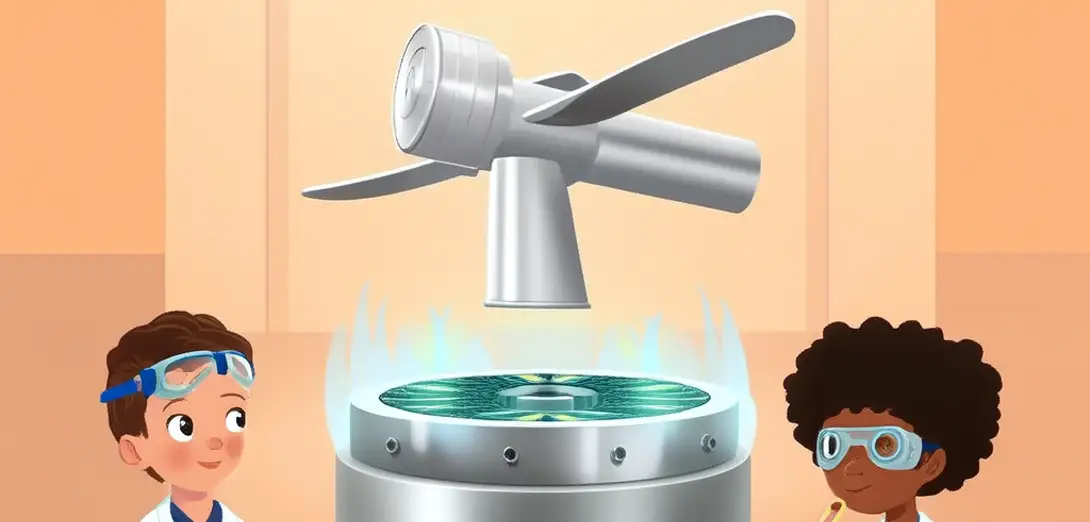
HTS Magnetic Bearings: Frictionless Support at Room-Temperature Cryogenics
高温超导磁悬浮轴承:室温低温环境下的无摩擦支撑
-
High-temperature superconducting (HTS) bearings levitate rotating machinery without physical contact — eliminating wear, lubrication needs, and vibration-induced fatigue in turbomachinery.高温超导(HTS)轴承使旋转机械实现无接触悬浮,彻底消除磨损、润滑需求及涡轮机械中由振动引发的疲劳。
-
They operate at liquid nitrogen temperatures (77 K), far warmer than low-Tc superconductors requiring liquid helium — making cryogenic infrastructure simpler and cheaper to maintain.其工作温度为液氮温区(77 K),远高于需液氦冷却的低温超导体,大幅简化并降低了低温系统的维护成本。
-
Flux pinning in YBCO ceramic discs locks magnetic field lines in place, enabling stable suspension even during sudden load changes or transient imbalances.YBCO陶瓷圆盘中的磁通钉扎效应可固定磁力线,即使在负载突变或瞬时失衡下也能维持稳定悬浮。
-
Industrial applications include flywheel energy storage for data centers, where HTS bearings extend operational life from 5 to 25+ years while cutting maintenance downtime by 90%.工业应用包括数据中心飞轮储能系统:HTS轴承将运行寿命从5年延长至25年以上,同时减少90%的维护停机时间。
-
Unlike active electromagnetic bearings, HTS systems require zero real-time control electronics — enhancing reliability in radiation-prone environments like nuclear decommissioning sites.与主动式电磁轴承不同,HTS系统无需实时控制电子设备,显著提升核设施退役等强辐射环境下的可靠性。
-
Thermal management remains critical: uneven cooling creates localized flux creep, causing gradual positional drift that must be compensated via passive mechanical guides.热管理至关重要:冷却不均会导致局部磁通蠕变,引发缓慢位置漂移,须依靠被动机械导引结构补偿。
-
Standardization efforts are underway: IEC 62941 now defines test protocols for HTS bearing stiffness, loss tangents, and thermal shock resilience under cyclic operation.标准化工作正在推进:IEC 62941标准已规定HTS轴承刚度、损耗角正切值及循环工况下抗热冲击能力的测试方法。
-
Adoption barriers include brittleness of HTS ceramics and sensitivity to magnetic impurities in surrounding steel housings — requiring careful materials selection upstream.推广障碍包括HTS陶瓷的脆性,以及对周边钢制壳体中磁性杂质的敏感性——需在上游严格选材。
-
In aerospace, HTS bearings reduce mass in reaction wheels by 40% compared to ball-bearing equivalents, extending satellite mission lifetimes without compromising pointing accuracy.在航空航天领域,HTS轴承相比滚珠轴承可使动量轮质量减轻40%,在不牺牲指向精度的前提下延长卫星任务寿命。
-
Their silent, oil-free operation meets strict cleanroom specifications for semiconductor fabrication equipment, where particulate contamination must stay below ISO Class 3.其静音、无油运行特性满足半导体制造设备严苛的洁净室要求(颗粒污染须低于ISO 3级)。
-
HTS bearings exemplify how ‘high-temperature’ in superconductivity still means extreme cold — yet represents a pragmatic leap toward deployable quantum-enabled engineering.HTS轴承印证了超导领域所谓‘高温’实为极低温,却已是迈向实用化量子工程的关键一步。