正在确认阅读权限…
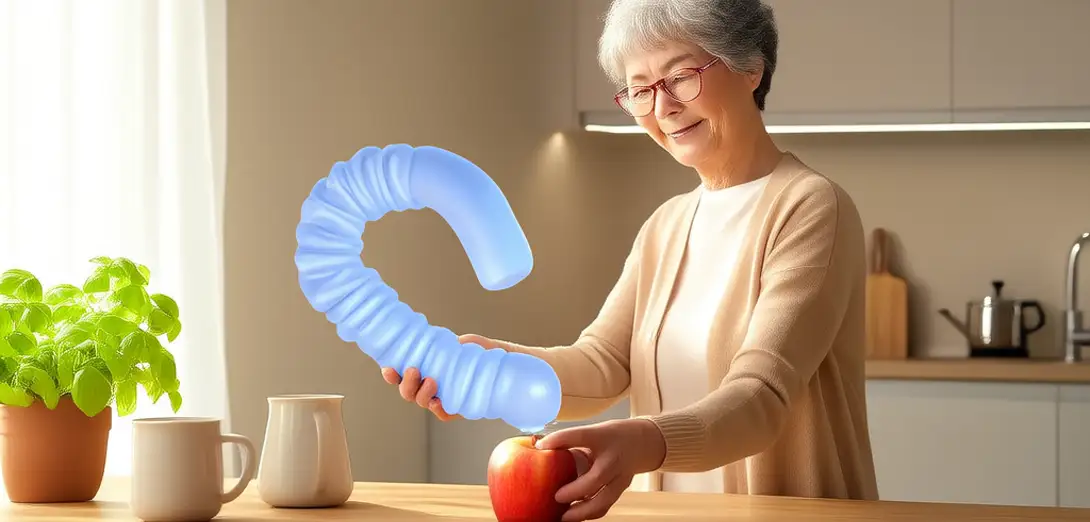
Pneumatic Artificial Muscles: How Soft Robotics Enable Adaptive Grip in Assistive Kitchen Tools
气动人工肌肉:软体机器人如何实现辅助厨房工具的自适应抓握
-
Pneumatic artificial muscles contract when pressurized air inflates embedded elastomeric chambers, mimicking biological tendon-ligament dynamics.气动人工肌肉在充入压缩空气后,使内部弹性腔体膨胀收缩,模拟生物肌腱-韧带的动态特性。
-
Unlike rigid actuators, they deliver compliant force profiles that adjust instantly to object shape, weight, and surface friction without pre-programming.与刚性驱动器不同,它们能提供柔顺的力输出特性,无需预编程即可实时适应物体形状、重量及表面摩擦力。
-
Modern adaptive can openers integrate real-time pressure feedback loops to modulate grip strength across aluminum, steel, and composite lids.现代自适应开罐器通过实时压力反馈回路,自动调节对铝制、钢制及复合材料罐盖的夹持力度。
-
These systems avoid pinch injuries by limiting peak torque to under 1.2 N·m—a threshold validated through ergonomic testing with users aged 65–92.这些系统将峰值扭矩限制在1.2 N·m以内,经65–92岁用户的人因工程测试验证,可有效避免夹伤。
-
Material fatigue resistance is prioritized via braided nylon-reinforced silicone sleeves rated for 100,000+ duty cycles at 3.5 bar operating pressure.采用编织尼龙增强硅胶套管,耐材料疲劳,额定工作压力3.5 bar,寿命超10万次循环。
-
Integration requires compact air compressors with noise output below 42 dB(A), enabling silent operation during early-morning meal prep.集成需配备紧凑型空气压缩机,噪音低于42 dB(A),确保清晨备餐时静音运行。
-
Calibration occurs during initial setup using household items like water bottles and spice jars, eliminating need for technical manuals.校准在初次设置时完成,仅需水瓶、香料罐等日常物品,无需技术手册。
-
Thermal management relies on passive convection through ribbed housing—no fans or heatsinks compromise sanitary crevice-free design.散热依靠肋状外壳的自然对流,不使用风扇或散热片,保障卫生、无死角设计。
-
Regulatory filings emphasize fail-safe venting protocols to prevent unintended actuation during power interruptions or pressure surges.监管申报重点强调失效安全泄压机制,防止断电或压力突增时意外启动。
-
Maintenance involves only quarterly silicone-lubricant application and visual inspection for microcrack propagation along flex zones.维护仅需每季度涂抹硅润滑脂,并目视检查弯曲区域是否出现微裂纹扩展。
-
Designers collaborate with occupational therapists to map grip variability across dexterity-loss profiles before prototyping.设计师联合职业治疗师,在原型开发前全面分析不同手部灵巧度下降人群的握力变化特征。
-
This architecture shifts responsibility from user adaptation to tool intelligence—redefining assistive device expectations in domestic environments.该架构将适配责任从用户转向工具智能,重新定义家庭环境中辅助设备的预期功能。