正在确认阅读权限…
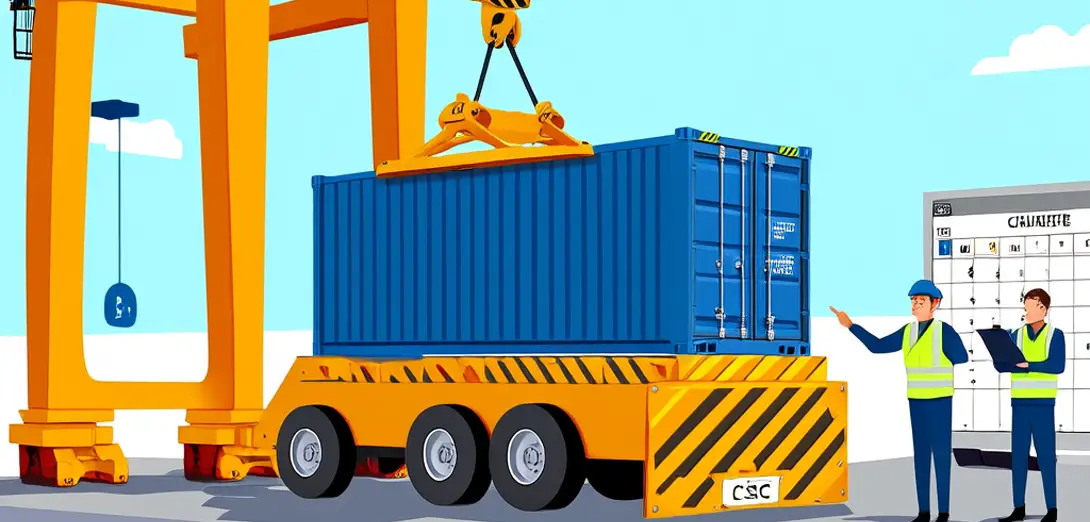
Container Loading Plans: Physics, Policy, and Predictability
集装箱装箱方案:物理约束、合规要求与可预测性的三维平衡
-
Stacking weight limits aren’t theoretical—they derive from CSC plate ratings, chassis axle loads, and port crane capacity charts updated quarterly.堆叠重量限制并非理论值,而是基于CSC铭牌评级、底盘轴载荷及每季度更新的港口起重机承重图表。
-
IMDG Code segregation rules for hazardous goods override cargo density calculations, sometimes forcing suboptimal stowage to avoid chemical reaction risks.危险品须遵守《国际海运危险货物规则》(IMDG)隔离要求,有时为规避化学反应风险,不得不采用次优配载方案。
-
Temperature-sensitive goods require validated cold chain continuity—pre-cooling containers isn’t enough if refrigeration units lack remote monitoring integration.温控货物需确保经验证的全程冷链连续性——仅预冷集装箱远远不够,若制冷机组未接入远程监控系统,则无法达标。
-
Loading plans must align with destination port’s digital twin infrastructure: Rotterdam’s Pronto system rejects manifests lacking ISO 6346 container identifiers.装货计划必须适配目的港数字孪生基础设施:鹿特丹港Pronto系统会拒收未标注ISO 6346标准箱号的舱单。
-
Pallet overhang exceeding 50mm triggers automatic detention charges at many U.S. ports—even if physically stable during transit.托盘悬出长度超50毫米,在美国多数港口将自动触发滞期费,即便运输途中物理状态稳定。
-
Dynamic load distribution modeling now accounts for sea motion profiles, not just static weight per TEU, improving voyage safety margins.动态载荷分布建模现已纳入海况运动剖面分析,不再仅依赖每标箱静态重量,从而提升航程安全余量。
-
Customs authorities increasingly cross-check declared lashing methods against actual photos uploaded via eManifest systems.海关机构日益通过电子舱单系统上传的实际绑扎照片,交叉核验申报的系固方式。
-
Shared visibility into real-time container weight data—via smart load cells—reduces overweight violations by over 70% at origin terminals.借助智能称重传感器实现集装箱实时重量数据共享,可使起运港超重违规率降低逾70%。
-
Load plans aren’t static documents; they must reflect contingency protocols for mid-journey weather diversions or terminal congestion delays.装货计划并非静态文件,须包含应对中途天气绕航或码头拥堵延误等突发情况的应急协议。
-
Ultimately, container optimization balances physics, regulation, and predictability—not just cubic utilization or cost-per-cube.归根结底,集装箱优化需兼顾物理规律、法规要求与可预测性,而不仅追求容积利用率或单位立方成本。