正在确认阅读权限…
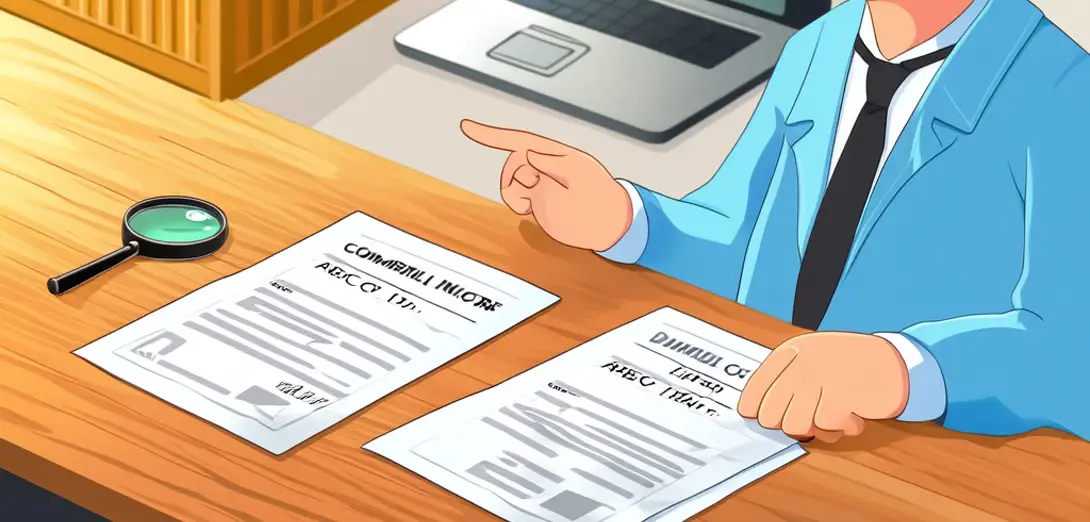
Bill of Lading Discrepancies: When Paper Meets Digital Reality
提单差错:纸质凭证与数字现实碰撞时的责任界定
-
A single character mismatch between the commercial invoice and bill of lading—e.g., ‘Ltd.’ vs. ‘Limited’—can trigger documentary credit rejection under UCP 600 Article 14.商业发票与提单之间仅一个字符的差异(例如‘Ltd.’与‘Limited’)即可能依据《UCP 600》第14条导致信用证拒付。
-
Electronic Bills of Lading (eBLs) reduce discrepancies but introduce new risks: timestamp synchronization errors across blockchain ledgers affect title transfer validity.电子提单(eBL)虽减少单据不符点,却带来新风险:区块链账本间时间戳不同步会影响物权转移的有效性。
-
‘Clean on board’ wording loses meaning if the carrier’s system logs show temperature excursions during pre-loading storage.若承运人系统日志显示装货前仓储期间存在温度异常,则‘清洁已装船’措辞即失去意义。
-
Discrepancy resolution timelines shrink as banks adopt AI-powered document triage—some now flag inconsistencies within 90 seconds of upload.随着银行采用AI驱动的单据分拣系统,不符点处理时限大幅缩短——部分银行可在上传后90秒内识别不一致。
-
House bills issued by freight forwarders must mirror master bill data precisely, yet discrepancies arise from automated EDI mapping errors, not human oversight.货代签发的货代提单须与主提单数据完全一致,但差错多源于自动EDI映射错误,而非人为疏失。
-
Legal ownership disputes intensify when paper B/Ls are lost mid-transit, whereas eBLs enable instant reissuance with cryptographic audit trails.纸质提单在运输途中遗失易引发所有权法律纠纷,而电子提单支持即时重新签发,并附带加密审计轨迹。
-
Carriers increasingly reject handwritten amendments on paper B/Ls—requiring formal surrender and reissue, delaying release by 3–5 days.承运人日益拒收纸质提单上的手写修改,要求正式交还并重新签发,致使放货延迟3–5天。
-
Incoterms® 2020 clarify that B/L accuracy is the seller’s responsibility under FCA, yet many contracts still assign this task ambiguously.《国际贸易术语解释通则®2020》明确FCA项下提单准确性由卖方负责,但许多合同仍对此责任界定模糊。
-
Cross-border tax audits now routinely compare B/L consignee names with VAT registration databases—mismatches suggest transfer pricing manipulation.跨境税务稽查现已常规比对提单收货人名称与增值税登记数据库——名称不符或暗示转让定价操纵。
-
Ultimately, B/L integrity rests not on paper perfection but on synchronized digital truth across all supply chain actors’ systems.归根结底,提单的可靠性不取决于纸质单证的完美无瑕,而在于整条供应链各参与方系统间数字信息的同步真实。