正在确认阅读权限…
Customs Classification Challenges: HTS Codes in the Age of Convergence
海关归类难题:HTS编码在技术融合时代的模糊地带
-
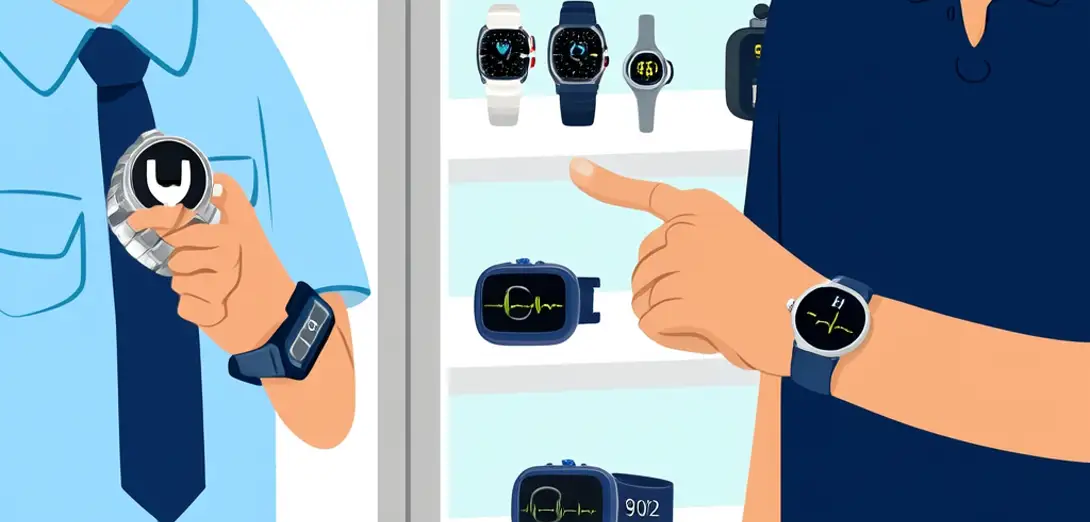
A smartwatch with ECG functionality straddles HTS 9102 (watches) and 9018 (medical instruments), triggering divergent duty rates and regulatory pathways.具备心电图功能的智能手表同时涉及税则号列9102(手表)和9018(医疗器械),导致关税税率和监管路径不同。
-
Binding rulings from CBP or HMRC remain valid only if product specs—especially firmware versions—remain unchanged for 36 months.美国海关或英国税务海关总署出具的具有约束力的裁定,仅在产品规格(尤其是固件版本)36个月内未变更时持续有效。
-
AI-driven classification engines improve speed but struggle with hybrid goods where function dominates form, like solar-powered Bluetooth speakers.人工智能驱动的归类引擎提升了速度,但在功能主导形态的混合型商品(如太阳能蓝牙音箱)上仍表现不佳。
-
Misclassification isn’t always negligence: evolving WTO Harmonized System revisions every five years create legitimate ambiguity for novel products.归类错误未必是疏忽:世贸组织《协调制度》每五年更新一次,对新型产品天然带来合理歧义。
-
Exporters must now declare ‘digital functionality’ in addition to physical attributes—EU’s new Digital Product Passport mandates this for electronics.出口商现在须申报‘数字功能’而不仅是物理属性——欧盟新推出的《数字产品护照》对电子产品强制要求此信息。
-
Classification disputes increasingly hinge on software architecture: cloud-dependent features may shift goods into ICT service categories, not hardware.归类争议日益取决于软件架构:依赖云端的功能可能使商品划入信息通信技术服务类别,而非硬件类别。
-
Customs auditors now request source code snippets and API documentation—not just user manuals—to verify intended use claims.海关稽查员如今要求提供源代码片段和API文档,而不仅限于用户手册,以核实申报的用途。
-
Joint classification workshops with buyers reduce post-entry audits, especially when both parties submit identical binding ruling applications.与买家联合开展归类研讨会可减少货物放行后的稽查,尤其当双方提交完全一致的具约束力裁定申请时。
-
HTS code selection affects more than duty—it determines eligibility for trade preference programs, anti-dumping duties, and export control licenses.税则号列选择影响的不仅是关税,还决定是否符合贸易优惠安排、反倾销税适用性及出口管制许可资格。
-
In convergence economies, classification certainty demands interdisciplinary teams: engineers, lawyers, and compliance officers reviewing specs together.在融合型经济体中,归类确定性需要跨学科团队协作:工程师、律师与合规官共同审阅产品规格。