正在确认阅读权限…
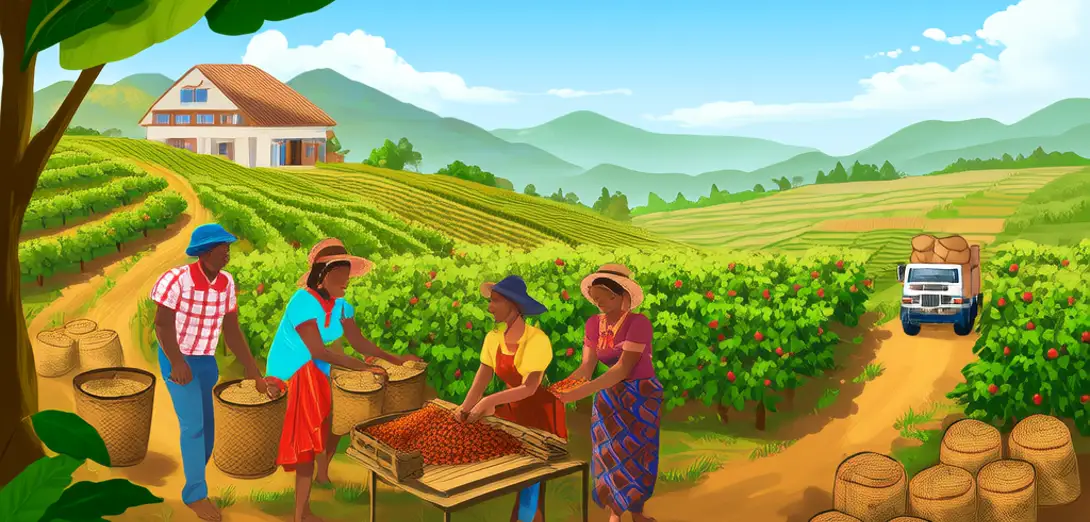
Terroir in Transit: Rwandan Coffee Cooperatives and the Politics of Origin Certification
风土流转:卢旺达咖啡合作社与产地认证的政治性
-
Rwanda’s post-genocide agricultural revival centered on coffee cooperatives that redefined value chains from hillside to export dock.卢旺达大屠杀后的农业复兴以咖啡合作社为核心,重塑了从山坡到出口码头的价值链。
-
Each cooperative now stamps its parchment beans with a traceable lot number, linking cup quality to specific volcanic slopes and microclimates.每个合作社如今都为生豆印上可追溯批次号,将杯测品质与特定火山斜坡及微气候关联起来。
-
International buyers no longer negotiate solely on price but audit collective governance, gender equity in leadership, and organic soil regeneration practices.国际买家不再仅凭价格谈判,而是审核集体治理、领导层性别平等及有机土壤再生实践。
-
The 'AB' (Arabica Bourbon) designation carries legal weight under East African regional trade protocols, not just marketing rhetoric.‘AB’(波旁阿拉比卡)标识在东非区域贸易协议下具有法律效力,而非仅营销话术。
-
Farmers receive real-time feedback via SMS on cupping scores, enabling rapid agronomic adjustments before next harvest.农民通过短信实时获取杯测分数反馈,以便在下次收获前快速调整农艺措施。
-
This certification ecosystem treats origin not as geography alone but as accumulated social labor, ecological stewardship, and institutional memory.这一认证体系将原产地视为社会劳动积累、生态守护与制度记忆的综合体,而不仅是地理概念。
-
Even premium roasters in Berlin or Tokyo now list cooperative names—Nyakizu, Gihombo—alongside elevation and processing method.就连柏林或东京的精品烘焙商,如今也在产品上标注合作社名称——如尼亚基祖、吉洪博——并注明海拔与处理法。
-
Unlike colonial commodity systems, today’s labels embed accountability, not extraction, into every logistical step.与殖民时期的商品体系不同,当今标签将问责制而非剥削嵌入每个物流环节。
-
Consumers pay more not for exoticism but for verifiable participation in Rwanda’s economic sovereignty project.消费者支付溢价并非为猎奇,而是为可验证地参与卢旺达经济主权建设。
-
The label thus functions as both passport and contract: mobility for beans, dignity for growers.标签 thus 兼具护照与契约功能:赋予咖啡豆流通权,保障种植者尊严。
-
This model reframes terroir as co-authored—by soil, season, and solidarity—not inherited or imposed.该模式将风土重新定义为土壤、季节与团结共同书写的成果,而非继承或强加。
-
It challenges global markets to recognize place-based ethics as non-negotiable infrastructure, not optional add-on.它要求全球市场将基于地域的伦理视为不可协商的基础设施,而非可选附加项。