正在确认阅读权限…
Orange Infrastructure: Kingsday as Civic Choreography in the Netherlands
橙色基础设施:荷兰国王节作为公民编舞
-
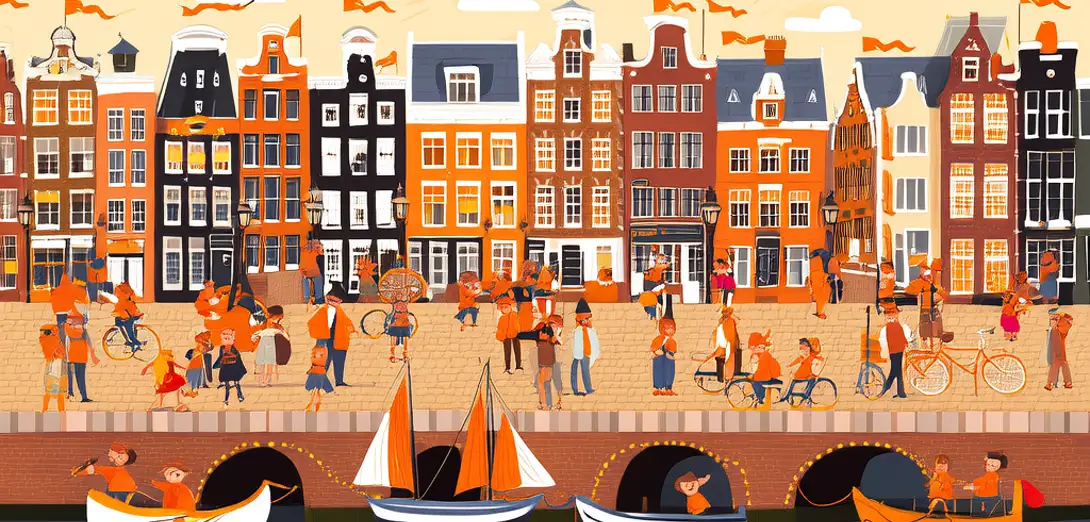
Kingsday transforms Amsterdam’s canals, squares, and rooftops into a temporary polychrome commons governed by orange attire and shared license.国王节将阿姆斯特丹的运河、广场和屋顶暂时变成一片五彩斑斓的公共空间,由橙色服饰与共享许可所主导。
-
Unlike state-orchestrated parades, this holiday operates through decentralized improvisation: pop-up flea markets, amateur brass bands, and balcony karaoke contests.不同于政府组织的阅兵式,这一节日依靠去中心化的即兴发挥:临时跳蚤市场、业余铜管乐队、阳台卡拉OK大赛。
-
The orange dye used in clothing, waffles, and beer is less pigment than performative citizenship—a visible suspension of usual class and generational boundaries.服装、华夫饼和啤酒中使用的橙色染料,与其说是颜料,不如说是表演性的公民身份——一种对日常阶级与代际界限的可见悬置。
-
Municipalities issue temporary vending permits not as regulatory control but as invitation to civic entrepreneurship for one day.市政部门发放临时摊贩许可,并非出于监管控制,而是邀请市民一日之内投身 civic 创业。
-
Even corporate sponsors adopt self-effacing roles, staffing free bike repair stations rather than branding billboards.就连企业赞助商也甘当配角,忙着提供免费自行车维修服务,而非竖立品牌广告牌。
-
Dutch civil servants swap uniforms for orange overalls, serving stroopwafels alongside retirees and students without hierarchy.荷兰公务员脱下制服,换上橙色工装裤,与退休老人和学生并肩分发焦糖华夫饼,毫无等级之分。
-
The event’s resilience lies in its refusal to narrate national unity—it enacts it physically, messily, and without script.这一活动的生命力,在于它拒绝讲述民族团结的故事——而是以混乱、即兴、无剧本的肢体行动来实现团结。
-
Foreign residents report feeling ‘Dutch-adjacent’ here not through language tests but through shared grease-stained hands and impromptu duets.外国居民在此感受到‘近似荷兰人’的身份,并非通过语言考试,而是经由共沾油渍的手与即兴二重唱。
-
Critics note its commercial drift, yet its core remains anti-monumental: joy as infrastructure, not spectacle.批评者指出其日益商业化,但其核心仍反纪念碑性:欢乐本身即是基础设施,而非奇观。
-
The orange sea does not drown difference; it floats it, buoyed by collective permission to be unpolished and loud.这片橙色海洋并未淹没差异,而是托起差异——靠的是集体默许的粗粝与喧闹。
-
This is not celebration *of* monarchy but celebration *alongside* it—a constitutional ritual where power temporarily steps aside for play.这并非对君主制的庆祝,而是与君主制并肩而庆——一场宪法仪式,权力暂时退场,让位于嬉戏。
-
Kingsday endures because it makes belonging tactile, seasonal, and insistently ordinary.国王节之所以持久,正因为它让归属感变得可触、应季且固执地平凡。