正在确认阅读权限…
Salt, Smoke, and Sovereignty: Culinary Cartography Along the Adriatic Rim
盐、烟熏与主权:亚得里亚海沿岸的烹饪地理学
-
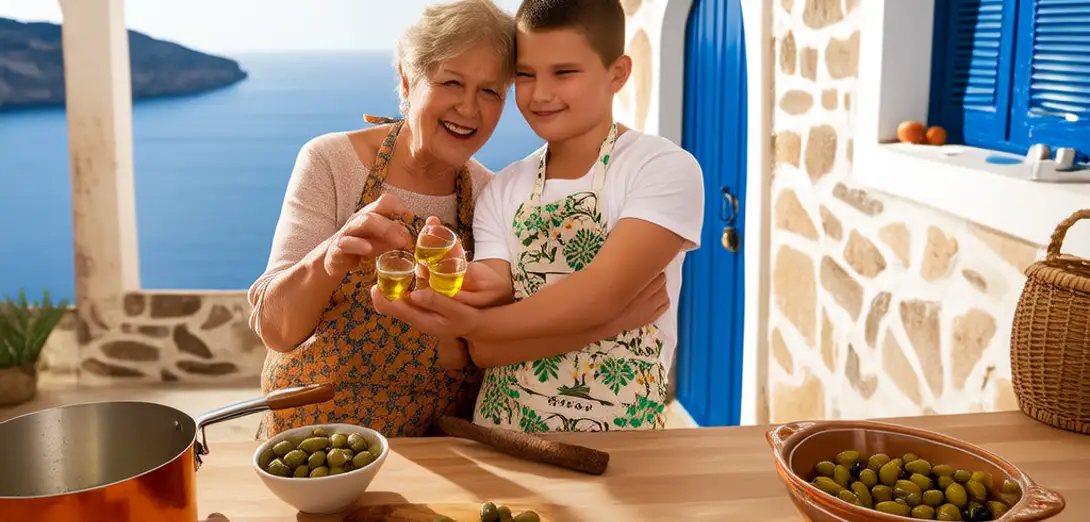
Croatian coastal cooks measure olive oil quality by its peppery finish—not acidity—as a marker of terroir-bound authenticity and regional pride.克罗地亚沿海厨师以橄榄油的胡椒余味(而非酸度)来评判其品质,以此彰显风土真实性与地域自豪感。
-
In Istria, truffle hunters avoid GPS, relying instead on centuries-old forest paths and symbiotic dog-breeding lineages passed through family guilds.在伊斯特拉,松露猎人拒绝使用GPS,而是依赖传承数个世纪的林间小径,以及经家族行会代代相传的共生犬种培育体系。
-
Slovenian inland kitchens preserve pork fat under layers of smoked paprika and juniper ash, while Croatian Dalmatian chefs ferment fish innards into garum-like condiments.斯洛文尼亚内陆厨房用烟熏红椒粉和杜松灰层层覆盖保存猪油;而克罗地亚达尔马提亚厨师则将鱼内脏发酵成类似鱼露的调味品。
-
Bosnian burek folds reflect Ottoman-era pastry geometry, whereas Montenegrin versions use sourdough leavening and local sheep’s milk cheese.波斯尼亚布雷克酥皮的折叠方式承袭奥斯曼时期的几何工艺,黑山版本则采用酵头发酵,并加入本地绵羊奶酪。
-
The EU’s Protected Designation of Origin rules ignite fierce debate: who owns 'Adriatic anchovy' when migration reshapes fishing cooperatives across borders?欧盟原产地保护规则引发激烈争论:当移民重塑跨境渔业合作社时,‘亚得里亚海凤尾鱼’的归属权究竟属于谁?
-
Restaurants in Split serve octopus stewed in its own ink with wine from vineyards terraced into limestone cliffs—no substitutions permitted, even for tourists.斯普利特的餐厅供应章鱼炖煮菜肴——以章鱼自身墨汁慢炖,佐以梯田式石灰岩悬崖上种植的葡萄酒;绝不接受任何替代,游客亦不例外。
-
Food critics note how Croatian menus foreground provenance verbs like 'harvested', 'netted', or 'cured in sea caves', not just adjectives.美食评论家指出,克罗地亚菜单突出‘采收’‘捕捞’‘海洞熟成’等强调溯源的动词,而不仅是形容词。
-
Meanwhile, Serbian chefs in Belgrade reinterpret coastal dishes using Danube river fish and Balkan herbs, asserting culinary sovereignty beyond maritime boundaries.与此同时,贝尔格莱德的塞尔维亚厨师以多瑙河鱼类与巴尔干香草重新诠释沿海菜式,宣示超越海洋边界的烹饪主权。
-
A new generation of Adriatic food historians maps ingredient flows against border checkpoints, revealing how sanctions and tariffs rewrite taste over decades.新一代亚得里亚海饮食史学者将食材流通路径与边境检查站对照绘图,揭示制裁与关税如何数十年间悄然重塑味觉。
-
Shared ingredients—sea salt, wild fennel, capers—become contested symbols when labeled 'Dalmatian' versus 'Montenegrin' on export crates.共享食材——海盐、野茴香、刺山柑——一旦在出口箱上标注‘达尔马提亚产’或‘黑山产’,便成为争议符号。
-
This is gastronomy as geopolitical cartography: every bite negotiates history, ecology, and jurisdictional ambiguity.这便是美食的地缘政治制图学:每一口都在协商历史、生态与管辖权的模糊地带。
-
The Adriatic isn’t just a body of water—it’s a slow-moving archive of adaptation, resistance, and quietly defiant flavor.亚得里亚海不仅是一片水域,更是一座缓慢流动的档案库,记录着适应、抵抗与静默而倔强的风味。