正在确认阅读权限…
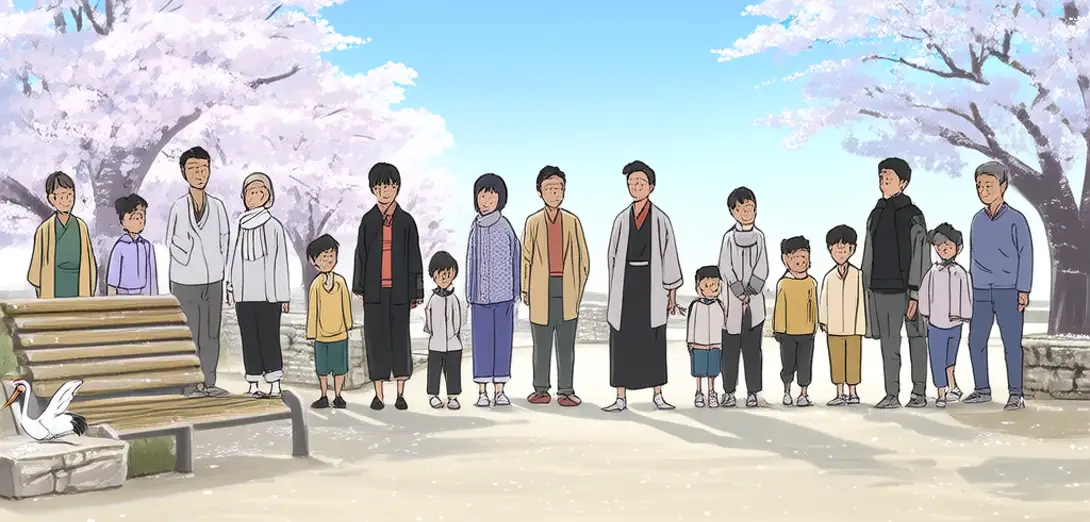
Ritual Silence and Civic Breath: The Unspoken Grammar of Public Mourning in Japan
仪式性静默与公民呼吸:日本公共哀悼中的无言语法
-
In Tokyo’s Yoyogi Park, annual March 11 commemorations observe ninety seconds of absolute silence—not as absence but as collective acoustic labor.在东京代代木公园,每年3月11日的纪念活动默哀九十秒——这并非空无,而是一种集体性的声音劳作。
-
Participants stand motionless, eyes lowered, phones powered off, while ambient city noise recedes into a socially calibrated hush.参与者静立不动、垂目低首、手机关机,周遭城市噪音随之退为一种社会默契的寂静。
-
This silence functions not as passive grief but as an embodied contract affirming shared responsibility for historical memory and social continuity.这种沉默并非被动哀伤,而是以身体践行的契约,确认众人对历史记忆与社会延续的共同责任。
-
Unlike Western memorial speeches or candlelight vigils, Japanese mourning rituals privilege duration, restraint, and spatially disciplined presence over verbal catharsis.不同于西方的纪念演讲或烛光守夜,日本的哀悼仪式更重视时长、克制与空间规训下的在场,而非言语宣泄。
-
Local municipalities train volunteers to monitor decibel levels and gently redirect chatter, treating silence as infrastructure requiring maintenance.地方政府培训志愿者监测分贝、轻声劝止交谈,将沉默视作需日常维护的基础设施。
-
Schoolchildren rehearse breath control and posture weeks before, learning that stillness is a civic competency, not mere emotional suppression.小学生提前数周练习呼吸控制与站姿,学习静止是一种公民能力,而非单纯压抑情绪。
-
The ritual resists commodification: no branded merchandise, no live-streamed performances—only synchronized human pause in contested urban space.该仪式拒绝商品化:不售品牌周边,不直播表演——仅在争议性城市空间中实现人类同步暂停。
-
Critics argue it risks aestheticizing trauma, yet practitioners insist the silence holds space for unspoken intergenerational reckonings.批评者指其可能将创伤美学化,实践者则坚称,此沉默为难以言说的代际和解留出了空间。
-
Urban planners now embed ‘quiet zones’ near subway exits using sound-absorbing materials, extending the ritual’s logic into municipal design.城市规划者如今在地铁出口附近嵌入‘静音区’,采用吸音材料,将这一仪式逻辑延伸至市政设计。
-
Such silence operates as both ethical discipline and quiet resistance against accelerationist norms dominating global public life.此类沉默既是伦理自律,亦是对主宰全球公共生活的加速主义规范的无声抵抗。
-
It redefines participation not through speech or spectacle, but through calibrated, communal withholding—a grammar taught, practiced, and policed.它重新定义参与:不靠言说或 spectacle(视觉奇观),而靠经训练、实践与监督的集体节制——一种被教授、操演并规管的语法。
-
This is not emptiness; it is densely populated time, thick with implication and untranslatable accountability.这并非虚空,而是高度充盈的时间,饱含意涵与不可译的问责。