正在确认阅读权限…
Geothermal Civility: Iceland’s Hot Spring Culture as Energy Democracy and Social Architecture
地热文明:冰岛温泉文化作为能源民主与社会建筑
-
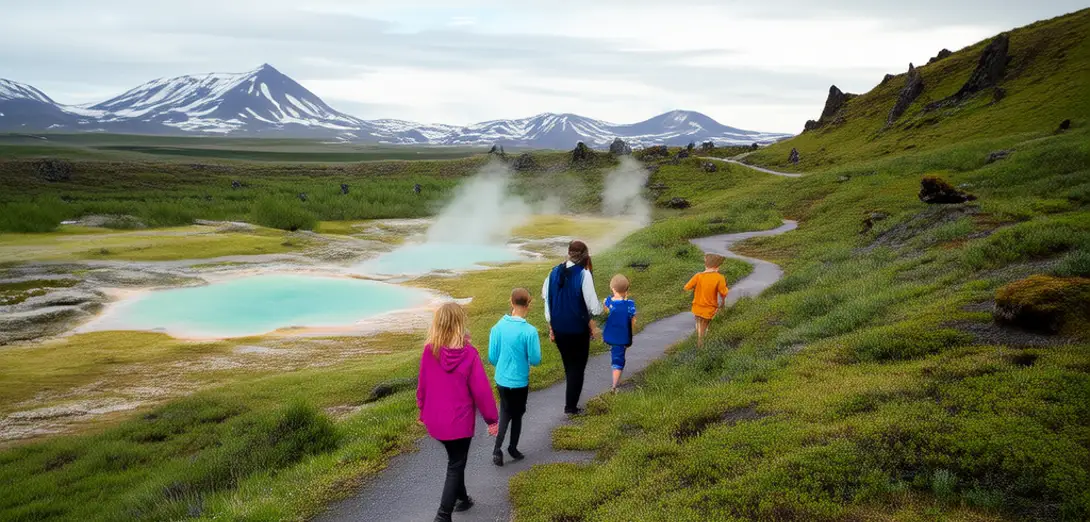
At Reykjadalur Valley, visitors follow unmarked gravel paths to thermal rivers—not guided tours, but negotiated access governed by tacit consensus on soak-time and water temperature.在雷克雅达勒山谷,游客沿着无标识的碎石小径前往地热河流——没有导游,只有靠默契共识约定浸泡时长与水温的自主进入方式。
-
Municipal pools like Laugardalslaug integrate geothermal heating with childcare centers, senior lounges, and municipal council chambers—steam rooms doubling as informal policy forums.像劳加达尔斯劳格这样的市政泳池,将地热供暖与托儿中心、老年休闲区及市议会厅融为一体——桑拿房同时充当非正式的政策讨论场所。
-
Icelandic law mandates that all new residential buildings within 50km of volcanic zones connect to district heating grids, making thermal equity legally binding, not optional.冰岛法律规定,所有距火山带50公里内的新建住宅必须接入区域供热管网,使地热公平成为法定义务,而非可选项。
-
Locals don’t ask 'Is this hot spring open?' but 'Who last maintained the wooden steps?'—infrastructure stewardship is a civic rite, not municipal service.当地人不问‘这处温泉开放吗?’,而问‘谁最后修缮了这些木阶?’——基础设施维护是公民仪式,而非市政服务。
-
The Blue Lagoon’s commercial success sparked national debates: when geothermal access becomes ticketed, does thermal democracy erode into thermal gentrification?蓝湖商业成功引发全国性辩论:当地热资源需购票使用时,‘地热民主’是否正滑向‘地热绅士化’?
-
School curricula teach heat mapping alongside civics—students calculate BTU distribution across neighborhoods and compare it to voting district boundaries.学校课程将热量分布图绘制与公民教育并列教学——学生计算各社区英热单位(BTU)分配,并将其与选区边界对比。
-
Volcanic monitoring stations double as community hubs where seismologists brief residents on magma shifts using bathymetric analogies and thermal gradient charts.火山监测站亦为社区中心,地震学家用海底地形类比和热梯度图向居民讲解岩浆活动。
-
Even remote highland huts feature hand-built stone saunas heated by buried lava rocks—energy sovereignty expressed through material ingenuity, not grid dependency.就连偏远高地小屋也配有手工砌筑的石制桑拿房,以埋于地下的熔岩块加热——能源自主通过材料智慧实现,而非依赖电网。
-
When the 2021 Fagradalsfjall eruption began, locals redirected geothermal pipelines to power emergency shelters, treating heat as first-responder infrastructure.2021年法格拉达尔火山喷发伊始,当地居民即改道地热管道为应急避难所供能,将热量视作第一响应基础设施。
-
Thermal culture here rejects the binary of 'natural' versus 'technological': pipes, pumps, and poetry coexist in the same steam-filled room.此地的地热文化拒绝‘自然’与‘技术’的二元对立:管道、水泵与诗歌共存于同一片蒸腾空间。
-
Hot water isn’t just utility—it’s constitutional texture, woven into daily rhythm, legal code, and collective imagination.热水不只是实用设施,更是宪法肌理,织入日常节奏、法律条文与集体想象。
-
To sit silently beside strangers in 38°C water, watching steam rise into Arctic twilight, is to practice energy citizenship in real time.在38℃水中默然与陌生人并坐,看蒸汽升腾融入北极暮色——这便是实时践行能源公民身份。