正在确认阅读权限…
Threshold Reckonings: Grief Rituals and Spatial Justice in Post-Conflict Colombia
门槛清算:哥伦比亚后冲突时代的哀悼仪式与空间正义
-
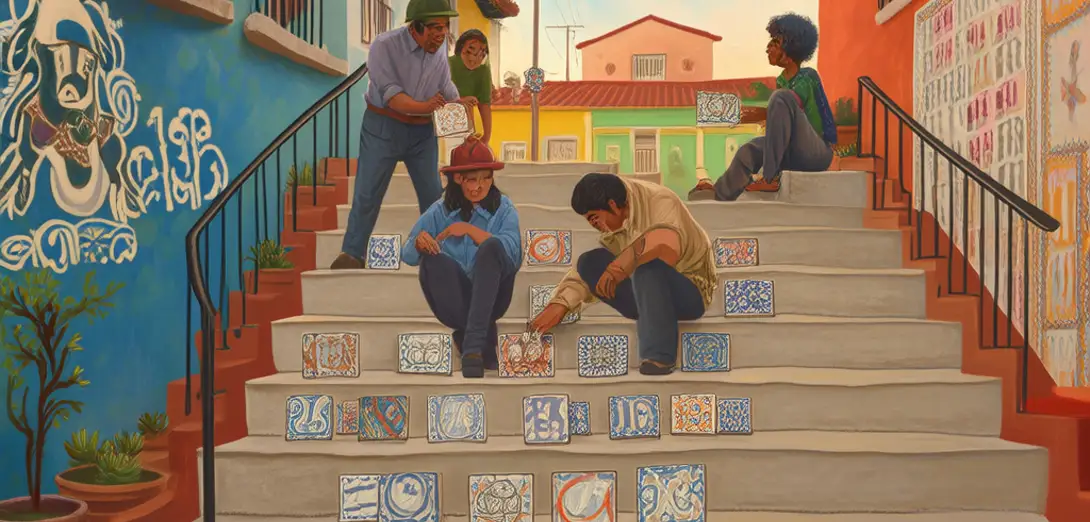
In Medellín’s Comuna 13, former combatants and victims co-design memorial staircases embedded with ceramic tiles bearing names, dates, and handwritten fragments of lost letters.在麦德林的科马纳13区,前战斗人员与受害者共同设计纪念阶梯,阶梯镶嵌着陶瓷砖,上面刻有姓名、日期及失散信件的手写片段。
-
These staircases are neither monuments nor museums—they’re functional infrastructure where residents ascend daily, stepping literally over memory to reach schools and clinics.这些阶梯既非纪念碑,也非博物馆——而是居民每日攀爬的实用基础设施,人们踏着记忆走向学校与诊所。
-
Architects collaborate with anthropologists and trauma counselors to calibrate step height, landing width, and tile texture—grief made navigable, not aestheticized.建筑师携手人类学家与创伤咨询师,精准调整台阶高度、平台宽度与瓷砖质感——让哀伤可被行走,而非仅作审美对象。
-
Unlike traditional cemeteries, these sites reject permanence: tiles erode, moss grows between them, and new names are added annually during community-led 'reweaving' ceremonies.与传统墓地不同,这些场所拒绝永恒:瓷砖风化剥蚀,青苔在砖缝间生长,每年社区主导的‘重织’仪式上还会新增姓名。
-
Urban planners treat memorial spaces as active conflict-resolution tools, measuring success not in visitor numbers but in reduced police patrols and increased youth-led cultural programming.城市规划者将纪念空间视为活跃的冲突化解工具,其成效不以访客数量衡量,而看警力巡逻是否减少、青年主导的文化活动是否增多。
-
Families place small offerings—coffee cups, school notebooks, worn shoes—not at graves, but at specific treads where loved ones were last seen alive.家属不将咖啡杯、学生笔记本、旧鞋等小祭品置于墓前,而是放在亲人最后生还时所站的特定台阶上。
-
The city’s participatory budgeting process allocates funds for 'memory maintenance,' funding mosaic repairs and oral history audio kiosks integrated into stair railings.该市参与式预算机制专设‘记忆维护’资金,用于修复马赛克砖及在楼梯扶手中嵌入口述史音频亭。
-
Critics warn against conflating architectural intervention with political resolution, yet residents report tangible shifts in neighborhood trust metrics post-construction.批评者警示勿将建筑干预等同于政治解决,但居民报告称,建成后邻里信任度指标出现切实提升。
-
These staircases refuse the colonial logic of erased landscapes: they assert that memory belongs in transit, not containment.这些阶梯拒斥殖民式的抹除逻辑:它们宣告记忆属于流动过程,而非封闭保存。
-
They transform thresholds from boundaries into conduits—where grief, justice, and ordinary life intersect without hierarchy.它们将门槛从边界转化为通道——悲恸、正义与日常在此交汇,不分主次。
-
This is architecture as accountability: each step a verdict, each landing a deliberative space, each tile a non-negotiable witness.这是以建筑践行问责:每一步都是裁决,每一处平台都是审议空间,每一块砖都是不可协商的见证。
-
Colombia doesn’t build memorials to conclude history—it constructs thresholds to keep reckoning underway.哥伦比亚不建纪念物来终结历史,而是构筑门槛,让追索持续进行。