正在确认阅读权限…
The Codex Mendoza and Colonial Epistemology in Sixteenth-Century New Spain
《门多萨手抄本》与十六世纪新西班牙的殖民知识体系
-
Commissioned in 1541 by Antonio de Mendoza, the first viceroy of New Spain, the Codex Mendoza synthesized Aztec pictography with Spanish glosses to serve imperial administration.1541年,新西班牙首任总督安东尼奥·德门多萨委托编纂《门多萨手稿》,将阿兹特克图画文字与西班牙语注释结合,服务于帝国行政。
-
Its three sections documented tribute obligations, dynastic history, and daily life—each revealing how indigenous knowledge was selectively translated and instrumentalized.全书分三部分,分别记录贡赋义务、王朝历史与日常生活——每部分均揭示本土知识如何被选择性转译并工具化。
-
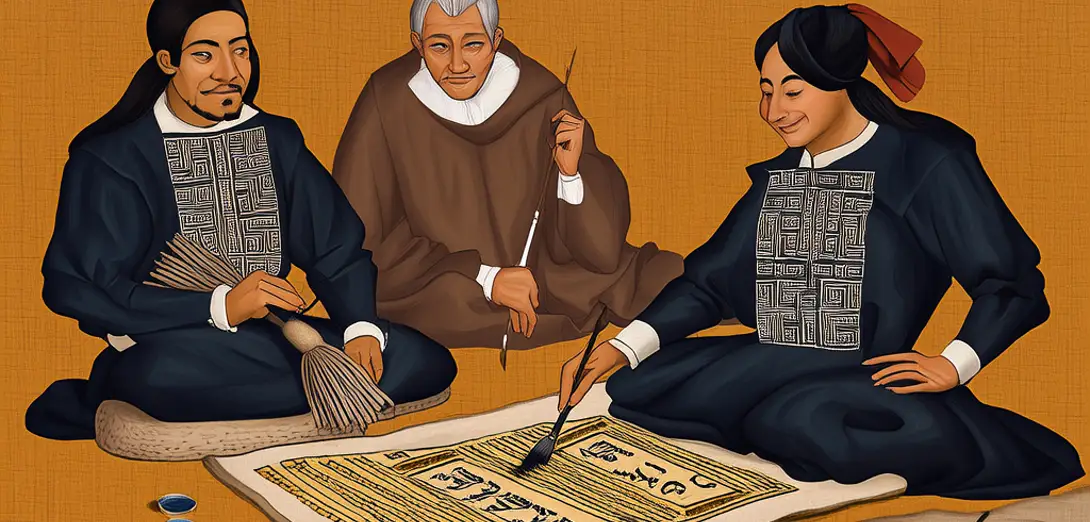
Spanish friars and Nahua scribes collaborated under asymmetrical power, producing a hybrid artifact neither fully native nor wholly colonial.西班牙修士与纳瓦人抄写员在权力不对等条件下合作,创造出一件既非纯粹本土、亦非完全殖民的混成文献。
-
The manuscript’s survival in Oxford underscores Europe’s archival appropriation of Mesoamerican memory as administrative intelligence.手稿现存于牛津大学,凸显欧洲如何将中美洲记忆作为行政情报加以档案化占有。
-
Unlike pre-conquest codices, it prioritized legibility for Iberian bureaucrats over ritual or cosmological continuity.与前殖民时期抄本不同,它优先考虑伊比利亚官僚的可读性,而非仪式或宇宙观的延续。
-
Its standardized layout and alphabetic annotations reflect early modern state-building’s demand for quantifiable, transferable data.其标准化版式与字母注释,折射出近代早期国家建设对可量化、可传递数据的需求。
-
Scholars now recognize it not as neutral record but as a site of epistemic negotiation shaped by coercion and adaptation.学界如今视其并非中立记录,而是受胁迫与调适塑造的知识协商场域。
-
The Codex exemplifies how colonial rule reconfigured historiography itself—turning oral genealogies into taxable lineages.《门多萨手稿》彰显殖民统治如何重构史学本身——将口传谱系转化为可征税的世系。
-
Its materiality—a European binding housing indigenous pigments—embodies the layered violence of cultural translation.其物质形态——欧洲装帧包裹本土颜料——具象呈现文化转译所承载的层层暴力。
-
Even today, digital repatriation efforts confront its dual status as evidence of erasure and irreplaceable cultural testimony.直至今日,数字归还实践仍需直面它作为抹除证据与不可替代文化证言的双重身份。
-
Modern reinterpretations emphasize Nahua agency within constraint, challenging older narratives of passive documentation.当代阐释更强调纳瓦人在约束中的能动性,挑战旧有‘被动记录’的叙事框架。
-
Ultimately, the Codex Mendoza reveals empire not only as territorial control but as systematic reordering of meaning and memory.最终,《门多萨手稿》揭示帝国不仅是领土控制,更是对意义与记忆的系统性重置。