正在确认阅读权限…
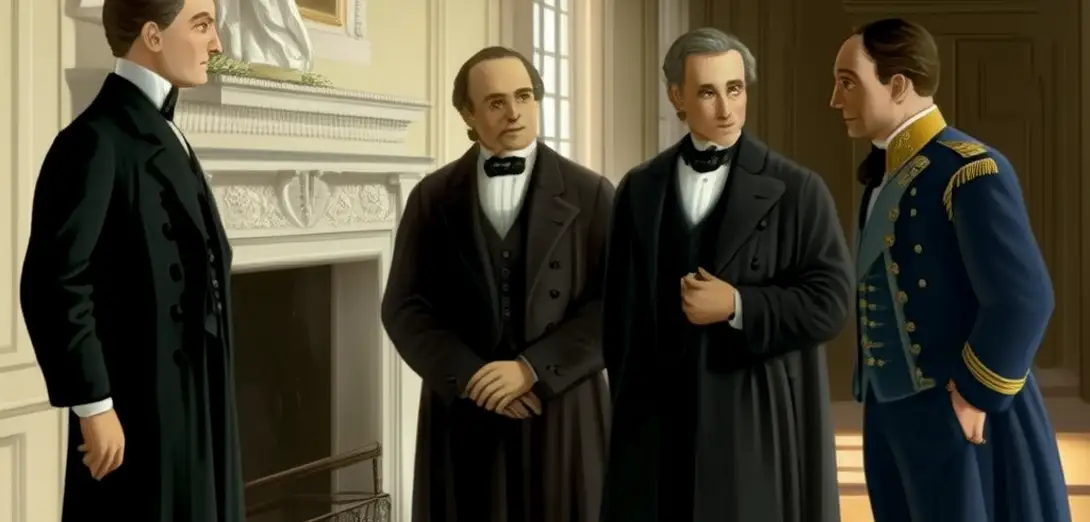
The Congress of Aix-la-Chapelle and the Institutionalization of Postwar Diplomacy
亚琛会议与战后外交机制的制度化
-
Convened in 1818, the Congress of Aix-la-Chapelle marked the first formal gathering of the Quadruple Alliance since Vienna, aiming to normalize relations with post-Napoleonic France.1818年召开的亚琛会议是维也纳会议后四国同盟首次正式集会,旨在与后拿破仑时代的法国实现关系正常化。
-
Unlike earlier congresses focused on territorial settlement, Aix-la-Chapelle centered on procedural questions: inspection regimes, debt restructuring, and multilateral troop withdrawals.与此前聚焦领土安排的会议不同,亚琛会议重心转向程序性议题:监督机制、债务重组及多边撤军。
-
French diplomats successfully negotiated early withdrawal of occupation forces by invoking restored Bourbon legitimacy and fiscal compliance—setting precedent for conditional sovereignty.法国外交官援引复辟波旁王朝的合法性与财政履约表现,成功促成占领军提前撤离,开创了有条件主权的先例。
-
The congress established permanent committees on navigation rights and quarantine protocols, embedding cooperation within technical bureaucracy rather than ideological consensus.会议设立航运权与检疫规程常设委员会,将合作嵌入技术官僚体系,而非依赖意识形态共识。
-
British insistence on limiting alliance duration clashed with Austrian preferences for indefinite consultation, revealing divergent visions of European order.英国坚持限制同盟存续期限,与奥地利倾向无限期磋商形成对立,折射出双方对欧洲秩序构想的根本分歧。
-
Its protocols introduced standardized diplomatic language for debt instruments and military verification—laying groundwork for later institutions like the League of Nations Secretariat.其议定书首次统一债务工具与军事核查的外交用语,为国际联盟秘书处等后续机构奠定基础。
-
Contemporaries noted how protocol minutiae—seating arrangements, document numbering, translation procedures—became sites of symbolic contestation over hierarchy and voice.时人注意到,礼宾细节——座次安排、文件编号、翻译流程——成为象征性争夺等级与话语权的场域。
-
Though short-lived, Aix-la-Chapelle pioneered the concept of ‘diplomatic maintenance’: ongoing dialogue as preventive instrument rather than crisis response.尽管存续短暂,亚琛会议率先提出‘外交维系’概念:将常态化对话作为预防性工具,而非危机应对手段。
-
Its failure to address colonial competition or liberal unrest foreshadowed systemic blind spots in nineteenth-century concert diplomacy.会议未能处理殖民竞争与自由主义动荡,预示了十九世纪协调外交的系统性盲区。
-
Archival correspondence shows envoys treating agenda items as modular units—negotiable independently, not hierarchically linked—anticipating modern summitry formats.档案信件显示,各国使节将议程项目视为可独立协商的模块单元,而非层级关联的整体,预演了现代峰会模式。
-
The congress thus represents a pivot from restoring monarchies to regulating state behavior through routinized, technocratic interaction.因此,亚琛会议标志着外交重心从恢复君主制转向通过常规化、技术化互动来规制国家行为。
-
Its legacy survives not in treaties but in the procedural DNA of international organizations managing climate, health, and trade governance today.其遗产不在于条约,而在于当今气候、卫生与贸易治理等国际组织所沿袭的程序基因。