正在确认阅读权限…
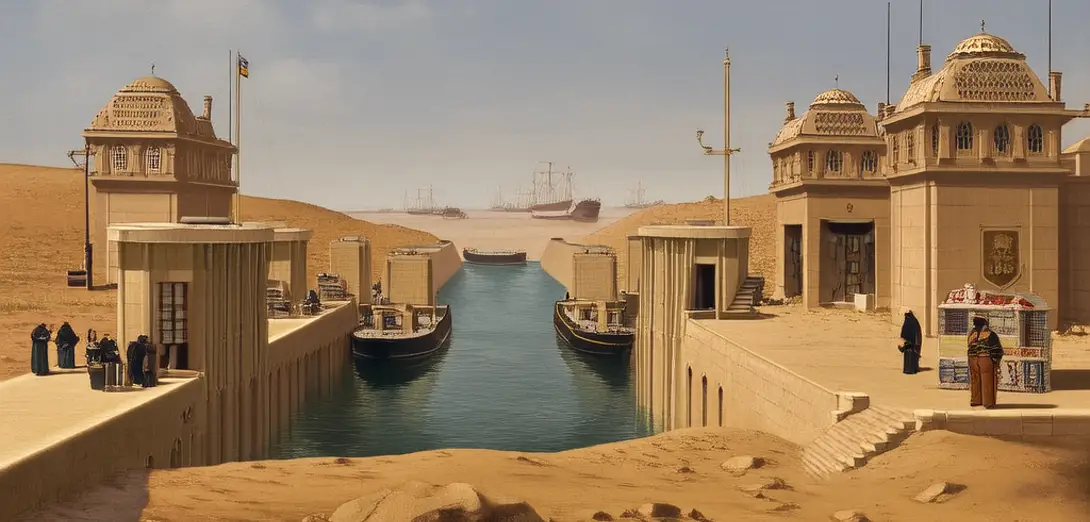
The Suez Canal Company and the Financial Architecture of Imperial Infrastructure
苏伊士运河公司与帝国基础设施的金融架构
-
Founded in 1858 with French capital and Egyptian land grants, the Suez Canal Company operated as a sovereign-like entity managing labor, tariffs, and dispute resolution across two continents.1858年,苏伊士运河公司以法国资本和埃及土地特许权成立,以类主权实体身份跨洲管理劳工、关税与争端解决。
-
Its concession granted ninety-nine years of exclusive navigation rights, tax exemptions, and jurisdictional autonomy—effectively creating a transnational corporate polity.其特许状授予99年独家通航权、免税权及司法自治权,实质上构建了一个跨国企业政体。
-
When Egypt defaulted on bonds in 1875, Britain purchased Khedive Ismail’s 44% stake, converting financial leverage into strategic control without formal annexation.1875年埃及债券违约后,英国购得总督伊斯梅尔所持44%股份,将金融杠杆转化为战略控制,未行正式吞并。
-
The company’s balance sheets, denominated in francs and audited in Paris, masked deeper dependencies on London-based insurers and coal suppliers.公司账目以法郎计价、在巴黎审计,却掩盖了对伦敦保险公司和煤炭供应商的深层依赖。
-
Its workforce—drawn from India, Greece, and Sudan—was disciplined through a hybrid legal code blending Napoleonic law, Ottoman decrees, and ad hoc disciplinary tribunals.其劳动力来自印度、希腊与苏丹,依混合法律体系管束——融合拿破仑法典、奥斯曼法令及临时纪律法庭。
-
After the 1956 nationalization, Nasser’s government inherited not just infrastructure but a century of accumulated transit data, toll records, and hydrographic surveys.1956年国有化后,纳赛尔政府继承的不仅是基础设施,更有一世纪积累的通行数据、过路费记录与水文测绘资料。
-
Historians now analyze the company as a prototype for modern public-private partnerships where profit motives and geopolitical objectives became structurally inseparable.史学家如今视该公司为现代公私合营模式的雏形,其中盈利动机与地缘政治目标在结构上密不可分。
-
Its annual reports functioned as instruments of soft power, circulating engineering expertise while normalizing European managerial supremacy.其年度报告充当软实力工具,在传播工程技术的同时,固化欧洲管理至上的观念。
-
Unlike colonial charters focused on extraction, the Canal Company sold mobility itself—as premium service, logistical necessity, and symbol of civilizational progress.不同于聚焦资源掠夺的殖民特许状,运河公司出售的是‘流动性’本身——作为高端服务、物流刚需与文明进步象征。
-
The 1888 Convention of Constantinople, declaring the canal open to all ships in peace and war, reflected diplomatic recognition of its de facto extraterritorial status.1888年《君士坦丁堡公约》宣布运河在战时与和平时期向所有船只开放,实为外交上对其事实治外法权地位的认可。
-
Even today, its governance model echoes in global logistics corridors like the Belt and Road Initiative’s special economic zones.直至今日,其治理模式仍在‘一带一路’等全球物流走廊的特别经济区内回响。
-
The Suez Canal Company thus demonstrates how finance, law, and engineering coalesced to produce infrastructure as a new form of imperial sovereignty.苏伊士运河公司因而昭示:金融、法律与工程如何融合,将基础设施塑造成一种新型帝国主权。