正在确认阅读权限…
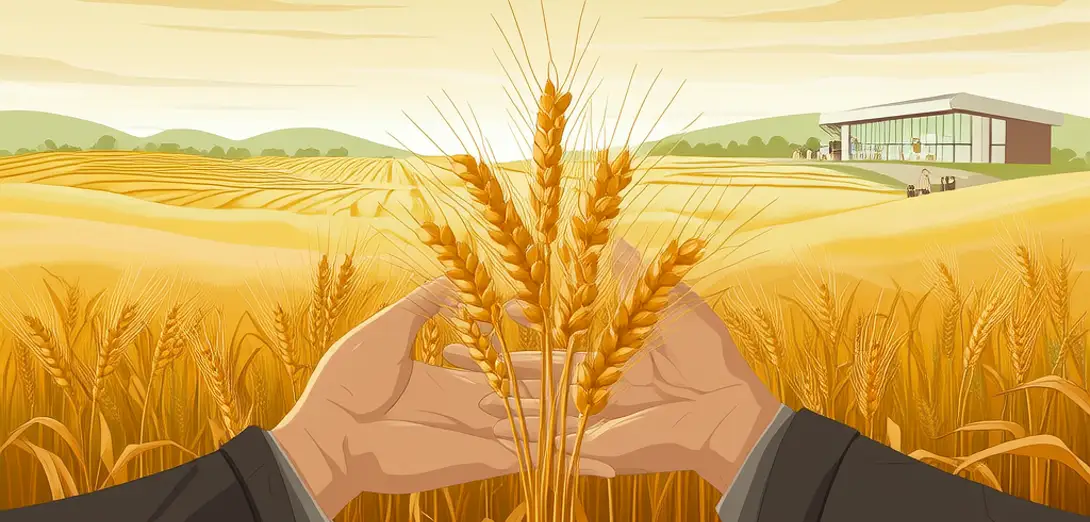
The Green Revolution and Its Uneven Harvest
绿色革命及其不均衡收获
-
Beginning in the 1940s, agricultural scientists developed high-yield wheat and rice varieties adapted to chemical fertilizers and irrigation.自20世纪40年代起,农业科学家培育出适应化肥和灌溉的高产小麦与水稻品种。
-
Funded by U.S. foundations and Cold War-era development agencies, the Green Revolution prioritized productivity over ecological resilience or local seed sovereignty.由美国基金会及冷战时期发展机构资助的绿色革命,优先追求产量,忽视生态韧性与地方种子主权。
-
In Punjab and Central Luzon, yields doubled within a decade—but smallholders often lacked capital to afford new inputs, deepening rural inequality.在旁遮普邦和菲律宾中吕宋地区,十年内产量翻倍;但小农常缺乏资金购买新投入品,加剧了农村不平等。
-
Monocultures expanded rapidly, increasing vulnerability to pests and reducing dietary diversity despite calorie surpluses.单一种植迅速扩张,虽热量盈余,却加剧病虫害风险并降低膳食多样性。
-
Groundwater tables dropped sharply in India and Mexico as subsidized electricity encouraged excessive pumping for irrigation.印度和墨西哥地下水位急剧下降,因补贴电价刺激灌溉过度抽水。
-
Women’s labor intensified without corresponding recognition in land titles or extension services, reinforcing gendered divisions in agrarian knowledge.妇女劳动强度加大,却未在土地确权或农技推广服务中获得相应认可,强化了农业知识中的性别分工。
-
Critics argue the model displaced agroecological practices that had sustained soil health and pest resistance for centuries.批评者指出,该模式取代了维系土壤健康与抗虫能力达数百年的生态农业实践。
-
Yet food insecurity declined dramatically in targeted regions, enabling urbanization and industrial growth previously constrained by subsistence limits.然而,目标地区的粮食不安全状况大幅缓解,推动了此前受生存约束制约的城市化与工业增长。
-
Today’s climate-smart agriculture initiatives explicitly reject top-down transfer, instead co-designing solutions with farmer cooperatives and indigenous knowledge holders.当今气候智慧型农业倡议明确摒弃自上而下的技术转移,转而与农民合作社及原住民知识持有者共同设计解决方案。
-
The Green Revolution endures as both cautionary tale and pragmatic precedent for scaling innovations amid structural inequity.绿色革命至今既是警示故事,也是在结构性不平等背景下规模化推广创新的务实先例。