正在确认阅读权限…
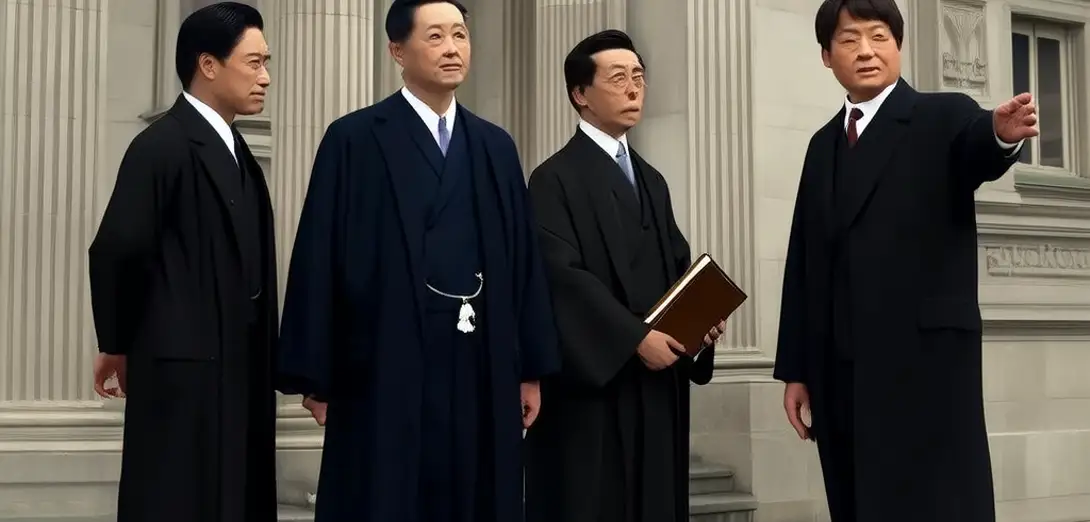
The Meiji Restoration and Institutional Borrowing
明治维新与制度借鉴
-
After 1868, Japan’s Meiji leaders dispatched missions like the Iwakura Embassy to study Western institutions—not to copy them wholesale but to adapt selectively.1868年后,日本明治领导人派出岩仓使节团等考察团赴西方学习制度,目的并非全盘照搬,而是有选择地加以改造。
-
They adopted Prussian-style conscription and civil codes while rejecting parliamentary sovereignty, preserving imperial authority at the constitutional core.他们采纳了普鲁士式的征兵制与民法典,却拒绝议会主权,将天皇权威保留在宪法核心。
-
Railway construction followed British engineering standards, yet land acquisition policies drew from Tokugawa-era domain management rather than English common law.铁路建设采用英国工程标准,但土地征收政策则沿袭江户时代的藩政管理,而非英国普通法。
-
The Ministry of Education modeled teacher training on French écoles normales but mandated Shinto ethics instruction to reinforce national identity.文部省以法国师范学校为范本培训教师,同时强制推行神道伦理教育,以强化国民认同。
-
Industrial policy favored zaibatsu conglomerates with state-backed monopolies, blending capitalist enterprise and bureaucratic oversight unlike laissez-faire models.产业政策扶持财阀集团,赋予其国家支持的垄断地位,将资本主义企业与官僚监管相结合,迥异于自由放任模式。
-
Legal reforms abolished feudal status distinctions but retained hierarchical workplace norms embedded in labor contracts and promotion criteria.法律改革废除了封建身份等级,却保留了嵌入劳动合同与晋升标准中的职场等级规范。
-
Even the national anthem and flag were designed as modern symbols to unify diverse domains under a singular, secularized imperial ideology.国歌与国旗亦被设计为现代符号,旨在以世俗化的天皇意识形态统合各地域。
-
Foreign advisors were hired under fixed-term contracts, ensuring knowledge transfer without long-term dependency or cultural assimilation.外国顾问均以固定期限合同聘用,确保知识转移而不致长期依赖或文化同化。
-
Meiji modernization succeeded not by becoming ‘Western’ but by treating foreign systems as modular inputs within a distinctly Japanese governance architecture.明治维新之所以成功,并非因其‘西化’,而在于将外国制度视为模块化输入,整合进独具日本特色的治理架构之中。
-
Its legacy informs contemporary debates on technological sovereignty—how to import AI frameworks while maintaining regulatory and ethical autonomy.其遗产深刻影响着当代关于技术主权的讨论——如何引进人工智能框架,同时保持监管与伦理自主。