正在确认阅读权限…
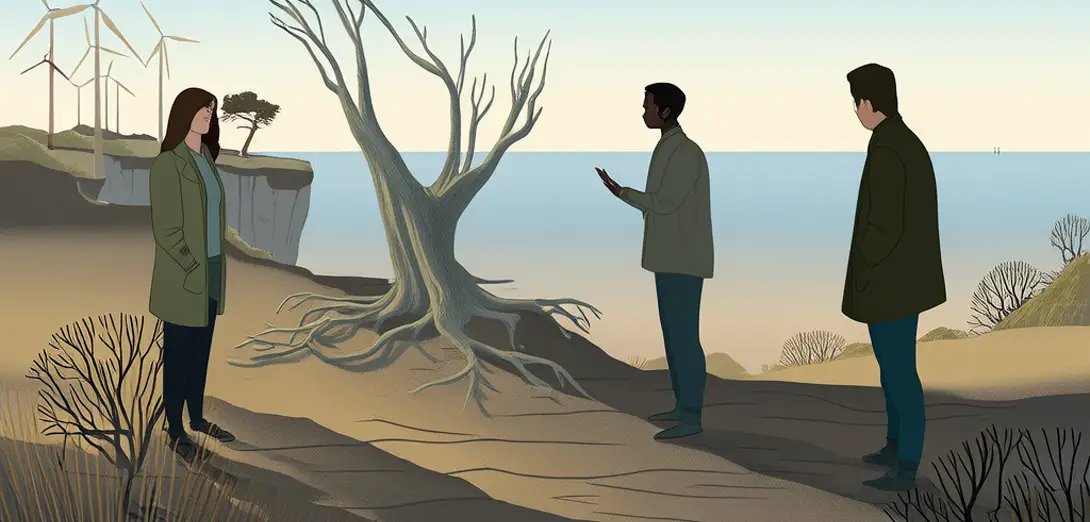
Geography as Environmental Literacy: Beyond Maps and Memorization
地理即环境素养:超越地图与背诵
-
Geography is not merely the study of place names or political boundaries, but a critical framework for interpreting environmental change.地理不仅是地名或政治边界的学问,更是解读环境变化的关键框架。
-
In professional contexts—from urban planning to climate risk assessment—geographic literacy enables evidence-based decisions about land use and resource allocation.在城市规划、气候风险评估等专业领域中,地理素养助力基于证据的土地利用与资源配置决策。
-
Contemporary geographic education increasingly emphasizes systems thinking, where rivers, soils, and human settlements interact dynamically across scales.当代地理教育日益强调系统思维,关注河流、土壤与人类聚落如何在不同尺度上动态互动。
-
Digital mapping tools have democratized spatial analysis, yet misinterpretation remains common without grounding in physical and cultural context.数字制图工具使空间分析更易获取,但若缺乏自然与人文背景支撑,误读仍很常见。
-
Environmental literacy demands understanding feedback loops—for example, how deforestation alters regional rainfall patterns over decades.环境素养要求理解反馈机制,例如森林砍伐如何在数十年间改变区域降雨模式。
-
Policy documents from the UNFCCC or IPCC assume baseline geographic fluency among stakeholders, making it essential for global professionals.联合国气候变化框架公约(UNFCCC)或政府间气候变化专门委员会(IPCC)的政策文件默认利益相关者具备基本地理素养,这对全球从业者至关重要。
-
Unlike static textbook knowledge, geographic competence evolves with new data on permafrost thaw, aquifer depletion, or migration corridors.地理能力不同于教科书中的静态知识,它随冻土融化、含水层枯竭、迁徙廊道等新数据持续演进。
-
Cross-cultural fieldwork reveals that local ecological knowledge often complements satellite-derived models in monitoring ecosystem health.跨文化野外工作表明,地方生态知识常能补充卫星模型,在生态系统健康监测中发挥协同作用。
-
Educators now prioritize spatial reasoning over rote recall, asking learners to evaluate trade-offs in infrastructure siting or conservation zoning.教育者如今更重视空间推理能力而非死记硬背,引导学习者评估基础设施选址或保护分区中的权衡取舍。
-
This foundational perspective transforms geography from a school subject into a lifelong practice of responsible planetary stewardship.这一基础性视角,将地理从一门学校课程升华为终身践行的地球责任 stewardship。