正在确认阅读权限…
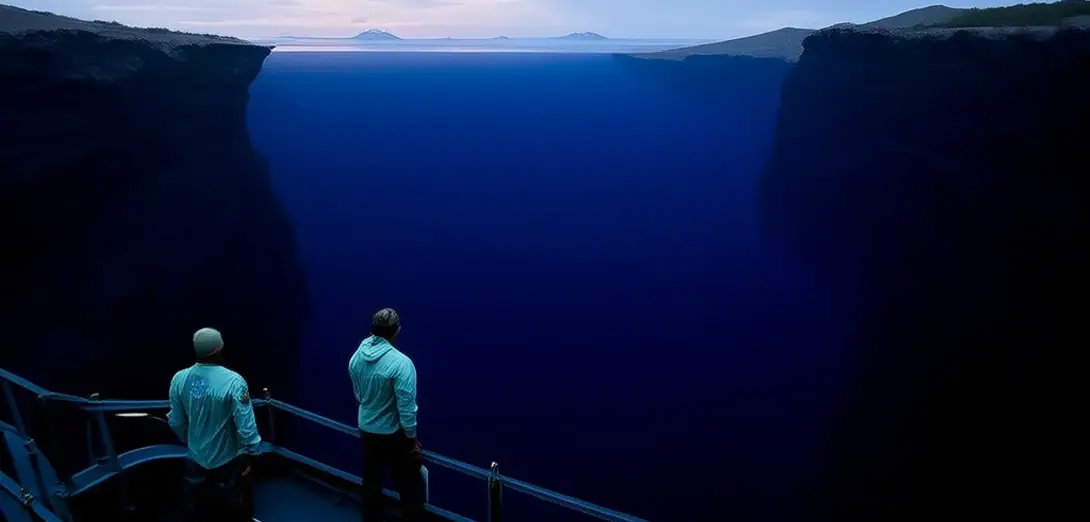
Tonga Trench: Where Tectonic Forces Shape Oceanic Realities
汤加海沟:构造力塑造海洋现实之地
-
The Tonga Trench, plunging to 10,882 meters, is Earth’s deepest known oceanic trench and a direct expression of subduction dynamics.汤加海沟深达10882米,是地球已知最深的海洋海沟,直接体现了俯冲作用的动力学特征。
-
Here, the Pacific Plate descends beneath the Indo-Australian Plate at rates exceeding 24 cm per year—the fastest convergence globally.此处太平洋板块以每年超过24厘米的速度俯冲到印度-澳大利亚板块之下,为全球最快汇聚速率。
-
This extreme tectonic activity fuels frequent deep-focus earthquakes, some occurring at depths over 600 km where rock behavior defies classical assumptions.这种极端构造活动引发频繁的深源地震,部分震源深度逾600公里,岩石行为在此处突破传统认知。
-
Volcanic arcs like the Tongan Islands emerge directly above the slab, their magma chemistry revealing volatile transfer from descending sediments.汤加群岛等火山弧直接位于俯冲板片上方,其岩浆成分揭示了沉积物向下运移所携带的挥发分。
-
Marine geophysicists deploy autonomous underwater vehicles to map seafloor deformation, linking microseismicity to long-term strain accumulation.海洋地球物理学家部署自主水下航行器测绘海底形变,将微震活动与长期应变积累关联起来。
-
Coastal communities rely on real-time tsunami warning systems calibrated specifically to trench geometry and rupture propagation models.沿海社区依赖专为该海沟几何形态和破裂传播模型校准的实时海啸预警系统。
-
Subduction zone research here informs hazard mitigation strategies across the Pacific Ring of Fire—from Japan to Chile.此处俯冲带研究为环太平洋火山带——从日本至智利——的灾害减缓策略提供依据。
-
Biological adaptations in trench-dwelling amphipods challenge assumptions about metabolic limits under crushing hydrostatic pressure.海沟栖息的端足类生物在极高静水压力下的生理适应,挑战了人们对代谢极限的传统认知。
-
International collaborations monitor slow-slip events along the interface, which may either relieve stress or presage major ruptures.国际协作持续监测界面处的慢滑事件,此类事件可能释放应力,也可能预示强震发生。
-
Understanding this trench is not academic—it determines evacuation protocols, insurance frameworks, and coastal infrastructure resilience standards.理解这一海沟绝非纯学术问题——它直接决定疏散规程、保险框架及海岸基础设施韧性标准。