正在确认阅读权限…
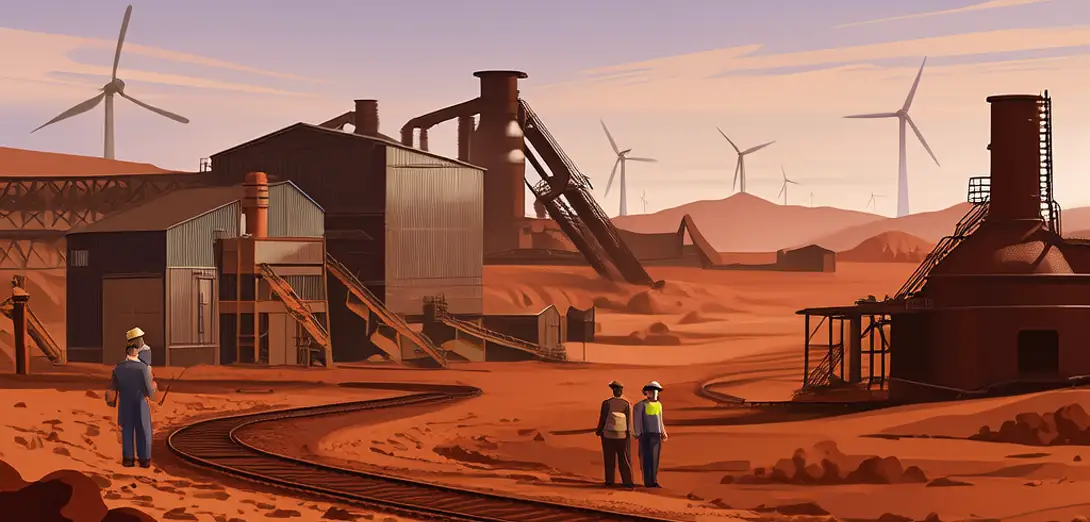
The Copper Belt of Central Africa: Resource Extraction and Post-Extractive Futures
中非铜带:资源开采与后开采时代
-
Zambia and the DRC supply over 70% of Africa’s copper, fueling global electrification yet generating limited domestic industrial upgrading.赞比亚和刚果(金)供应非洲逾70%的铜,推动全球电气化,却未能显著带动本国工业升级。
-
Chinese-financed smelters in Kolwezi now process ore locally—shifting value capture from raw export to semi-processed trade, albeit with environmental oversight gaps.中国融资的科卢韦齐冶炼厂现就地加工矿石,将价值获取从原矿出口转向半成品贸易,但环境监管仍存漏洞。
-
Artisanal miners account for 20% of regional output but operate outside formal safety, taxation, and cobalt traceability frameworks.手工采矿者贡献区域20%的产量,却游离于正式安全、税收及钴溯源体系之外。
-
Copper prices fluctuate with EV battery demand projections, making national budgets highly sensitive to shifts in California or Beijing policy.铜价随电动汽车电池需求预期波动,使各国预算高度受加州或北京政策变动影响。
-
Legacy tailings ponds leach heavy metals into the Kafue River, prompting community-led water testing and litigation against state regulators.遗留尾矿池向卡富埃河渗漏重金属,引发社区自主水质检测及针对政府监管机构的诉讼。
-
Vocational training centers near Kitwe teach electric vehicle battery recycling—preparing workers for circular economy roles beyond mining.基特韦附近的职教中心教授电动汽车电池回收技术,助力矿工转向循环经济新岗位。
-
Land restitution disputes persist where concessions overlapped with customary tenure, revealing tensions between investor protections and constitutional rights.特许权与习惯土地权重叠引发土地返还争议,凸显投资者保护与宪法权利间的张力。
-
Green hydrogen pilot projects in Zambia aim to decarbonize smelting, but depend on grid stability currently undermined by hydrological volatility.赞比亚绿色氢能试点项目旨在为冶炼脱碳,但依赖电网稳定,而当前水电波动正削弱其可靠性。
-
The African Union’s African Mining Vision seeks regional value addition, yet implementation falters without harmonized standards and port infrastructure.非盟《非洲矿业愿景》倡导区域增值,但缺乏统一标准与港口基建,致落实乏力。
-
Planning for post-extractive futures demands treating mines not as isolated sites, but as nodes in evolving socio-technical systems requiring anticipatory governance.规划后开采时代,须视矿山为动态社会技术系统的节点,而非孤立场所,亟需前瞻性治理。