正在确认阅读权限…
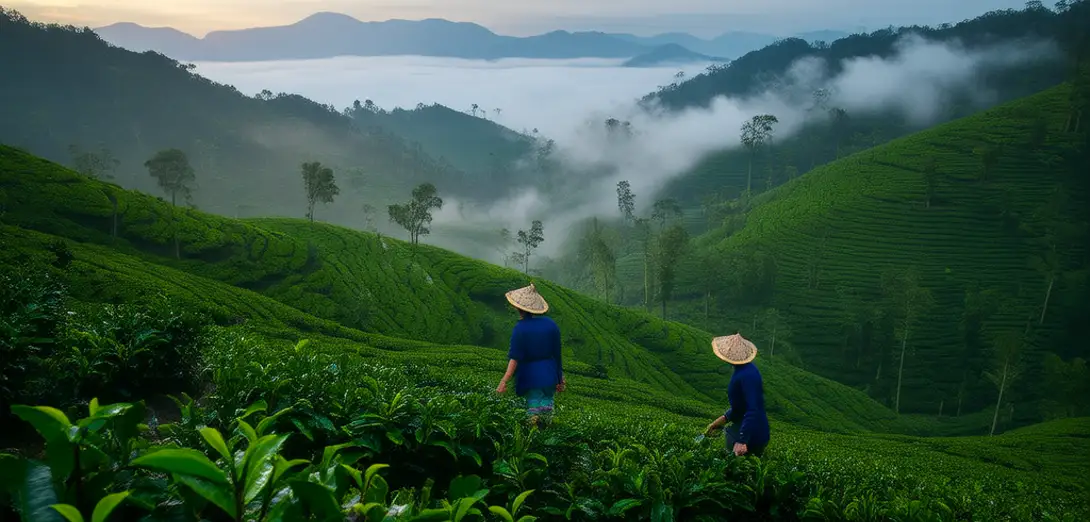
Tea, Terrain, and Monsoon: How Central Sri Lanka’s Slopes Capture Rainfall and Identity
茶、地形与季风:斯里兰卡中部山坡如何截留降雨并塑造身份
-
At 1,200–2,000 meters, Sri Lanka’s central highlands intercept moisture-laden southwest monsoon winds before they reach the dry plains.斯里兰卡中部高地海拔1200–2000米,拦截了携湿而来的西南季风,使其无法抵达干旱平原。
-
These steep, volcanic slopes force rapid uplift, condensing vapor into persistent mist and daily afternoon showers ideal for Camellia sinensis.这些陡峭的火山斜坡迫使气流急速抬升,将水汽凝结为常年不散的薄雾和每日午后阵雨,极宜茶树(Camellia sinensis)生长。
-
Unlike flat-field plantations elsewhere, Nuwara Eliya’s terraced gardens rely on gravity-fed irrigation channels carved over two centuries.与别处平地茶园不同,努沃勒埃利耶的梯田式茶园依靠重力引水渠灌溉,这些渠道已开凿逾两百年。
-
Tea estate labor hierarchies mirror colonial land tenure systems, with Tamil workers often residing in line rooms beneath mist-shrouded ridges.茶园劳工等级制度沿袭殖民时期土地所有制,泰米尔工人常居于云雾笼罩山脊下的排屋中。
-
Soil acidity, altitude, and cloud cover combine to produce nuanced flavor profiles now protected under geographical indication law.土壤酸度、海拔高度与云量共同塑造出细腻多变的风味特征,现受地理标志法保护。
-
Tourism brochures highlight colonial bungalows and ‘misty mornings,’ yet rarely mention seasonal water stress in lower-elevation smallholder plots.旅游宣传册热衷展示殖民风格别墅与‘云雾缭绕的清晨’,却极少提及低海拔小农地块面临的季节性缺水压力。
-
Climate models project intensified rainfall variability, threatening both yield consistency and slope stability during harvest months.气候模型预测降雨变率加剧,威胁采收季的产量稳定性与山坡稳固性。
-
Local cooperatives now integrate traditional rainwater harvesting with GIS-based micro-watershed mapping for drought resilience.当地合作社正将传统雨水收集与基于GIS的微型流域测绘相结合,提升抗旱韧性。
-
The aroma of freshly rolled tea leaves carries not just terroir—but layered histories of migration, labor, and botanical extraction.新鲜揉捻茶叶的香气不仅承载风土,更叠印着迁徙、劳作与植物采集的厚重历史。
-
Export contracts specify elevation bands and leaf grades, transforming topography into contractual precision.出口合同明确标定海拔区间与叶片等级,将地形转化为契约中的精确参数。
-
Monsoon timing shifts have disrupted plucking cycles, prompting unions to negotiate adaptive work calendars with global buyers.季风时间偏移扰乱了采摘周期,促使工会与全球买家协商调整工作日历。
-
In Kandy’s temple precincts, tea offerings accompany Buddhist rites—linking agrarian rhythm to spiritual practice across generations.康提寺庙区内,茶作为供品融入佛教仪轨,使农耕节律与精神实践代代相承。