正在确认阅读权限…
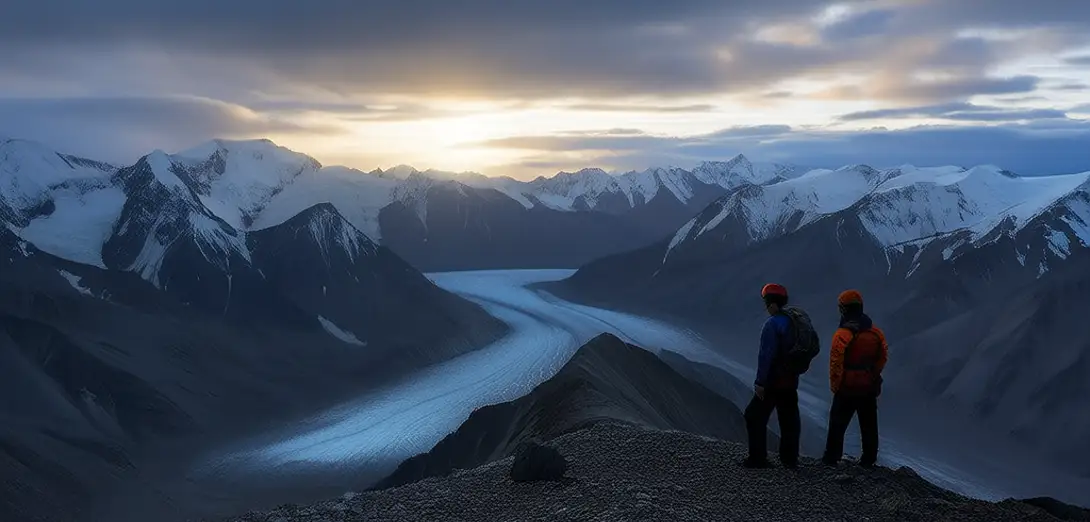
Pamir Passes: Where Continental Winds Meet Geopolitical Thresholds
帕米尔山口:大陆风与地缘政治阈值的交汇处
-
The Pamir Knot’s high-altitude passes—like Irkeshtam and Wakhjir—act as atmospheric gatekeepers between Indian and Eurasian air masses.帕米尔结的高海拔山口——如伊尔克什坦和瓦赫吉尔——充当印度与欧亚气团之间的大气门户。
-
Southward-moving cold fronts stall here, dropping snow that feeds glaciers feeding the Amu Darya and Tarim River systems.南下的冷锋在此停滞,降雪补给阿姆河与塔里木河水系的冰川。
-
These corridors were never mere routes; they hosted caravans carrying lapis lazuli, manuscripts, and smallpox—shaping disease ecology as much as trade.这些走廊从来不只是通道:它们曾承载青金石、手稿乃至天花病毒的商队,在塑造疾病生态的同时也塑造了贸易。
-
Today, border checkpoints regulate movement far more tightly than topography ever did, turning natural passages into sovereignty chokepoints.如今,边境检查站对人员流动的管控远比地形本身更为严密,将天然通道变为主权扼制点。
-
Glacial meltwater from these peaks sustains over 1.5 billion people downstream, yet transboundary water governance remains fragmented and opaque.这些山峰的冰川融水滋养下游逾15亿人口,但跨境水资源治理仍支离破碎、缺乏透明度。
-
Herders navigate shifting snowlines and militarized perimeters, reading terrain cues that official maps omit entirely.牧民在变动的雪线与军事化边界间穿行,依靠官方地图完全忽略的地形线索导航。
-
Satellite imagery reveals new road construction accelerating across the Wakhan Corridor, altering both hydrological flow paths and pastoral mobility.卫星影像显示瓦罕走廊新建道路加速铺展,既改变水文径流路径,也影响游牧迁徙。
-
Chinese and Tajik survey teams recently redefined boundary markers using GNSS, privileging geodetic accuracy over centuries-old grazing agreements.中塔测绘团队近期借助全球导航卫星系统重新划定界碑,优先采用大地测量精度,而非延续数百年的放牧协议。
-
Local Kyrgyz oral histories describe wind patterns that predict snowmelt timing—knowledge rarely integrated into hydropower scheduling models.当地吉尔吉斯人口头史记载可预测融雪时间的风向规律——这类知识极少纳入水电调度模型。
-
The ‘Roof of the World’ is less a stable summit than a contested interface where climate, cartography, and control continuously renegotiate.‘世界屋脊’并非稳固顶点,而是气候、制图与管控持续博弈的 contested 接口。
-
Diplomatic language avoids terms like ‘water sovereignty’, yet dam operations upstream directly dictate planting seasons downstream.外交措辞回避‘水主权’等表述,但上游水坝运行直接决定下游播种时节。
-
Even weather forecasts issued by national meteorological services stop abruptly at these high-altitude frontiers, exposing institutional blind spots.即便国家级气象服务机构发布的天气预报,也在这些高海拔前沿戛然而止,暴露出制度性盲区。