正在确认阅读权限…
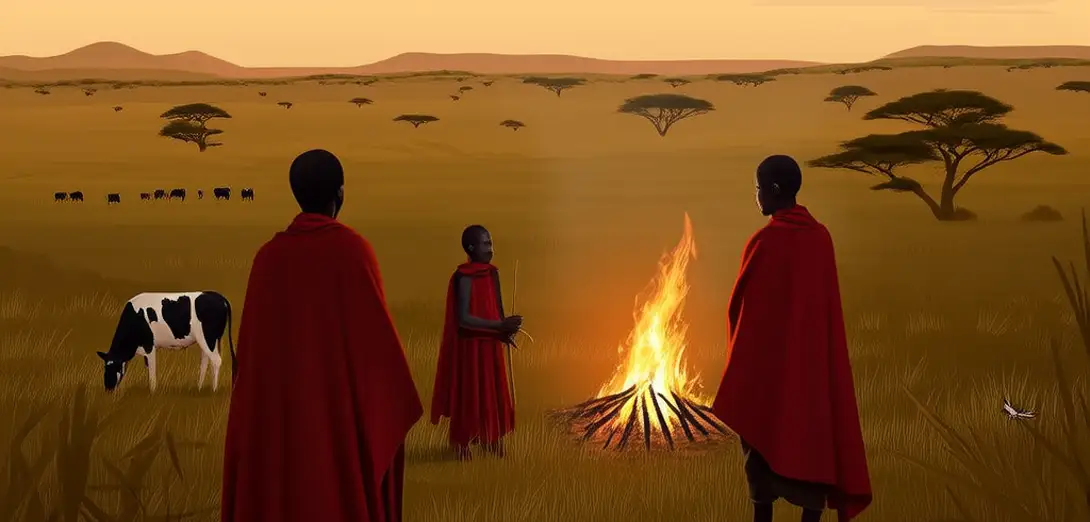
Serengeti Fire Regime: Colonial Suppression, Pastoral Knowledge, and Contemporary Prescribed Burns
塞伦盖蒂火情管理:殖民压制、游牧知识与当代计划烧除实践
-
Historically, Maasai herders used low-intensity fires to maintain grassland quality and deter tsetse fly proliferation across Serengeti’s savanna mosaic.历史上,马赛牧民曾用低强度火烧来维持塞伦盖蒂草原 mosaic 的草场质量,并抑制采采蝇滋生。
-
British colonial authorities banned these burns in the 1920s, imposing fire suppression policies that inadvertently intensified fuel accumulation and wildfire severity.20世纪20年代,英国殖民当局禁止此类焚烧,推行防火政策,反而加剧了可燃物堆积和野火强度。
-
By the 1990s, decades of accumulated biomass contributed to catastrophic late-dry-season conflagrations threatening wildlife corridors and tourism infrastructure.到20世纪90年代,数十年累积的生物量导致旱季末期灾难性大火频发,威胁野生动物廊道与旅游基础设施。
-
Tanzanian park authorities now collaborate with Maasai elders to co-design seasonal burn windows aligned with rainfall patterns and wildebeest migration cycles.坦桑尼亚公园管理部门如今与马赛长老合作,共同制定季节性烧除窗口期,使其契合降雨规律与角马迁徙周期。
-
Satellite-derived fire scar maps reveal that prescribed burns conducted between January and March reduce uncontrolled fire incidence by 68% in adjacent zones.卫星火迹图显示,每年1月至3月开展的计划火烧,可使邻近区域失控火灾发生率降低68%。
-
These burns prioritize landscape heterogeneity—creating fine-scale mosaics that support both grazing ungulates and fire-adapted shrub species.这些火烧注重景观异质性——形成精细尺度镶嵌格局,兼顾食草有蹄类与耐火灌木物种需求。
-
Ecologists emphasize that fire management here is less about control than calibrated coexistence with atmospheric, vegetative, and human temporalities.生态学家强调,此处的火管理重在与大气、植被及人类时间节律的精准共存,而非单纯控制。
-
Park rangers undergo bilingual training in both Swahili fire terminology and remote-sensing interpretation to bridge institutional and vernacular knowledge systems.公园护林员接受双语培训,既掌握斯瓦希里语火管理术语,也学习遥感影像判读,弥合制度性知识与地方性知识鸿沟。
-
International donors often fund equipment but rarely support the intergenerational knowledge transfer essential for adaptive implementation.国际捐助方常资助设备,却极少支持代际知识传承——而这正是适应性实施的关键。
-
Fire return intervals now average every 3–5 years in managed zones versus 12–18 years in suppressed areas, restoring ecological function without erasing cultural agency.在管理区,火循环周期现平均为每3–5年一次,而禁火区则长达12–18年,既恢复生态功能,又不削弱文化主体性。
-
The Serengeti model challenges global fire policy frameworks by centering pastoral epistemologies as legitimate climate adaptation science.塞伦盖蒂模式挑战全球火政策框架,将游牧知识体系确立为合法的气候适应科学。
-
What was once dismissed as ‘primitive burning’ is now codified in Tanzania’s National Fire Management Strategy as a cornerstone of landscape governance.昔日被贬为‘原始焚烧’的做法,如今已被写入坦桑尼亚《国家火管理战略》,成为景观治理的基石。