正在确认阅读权限…
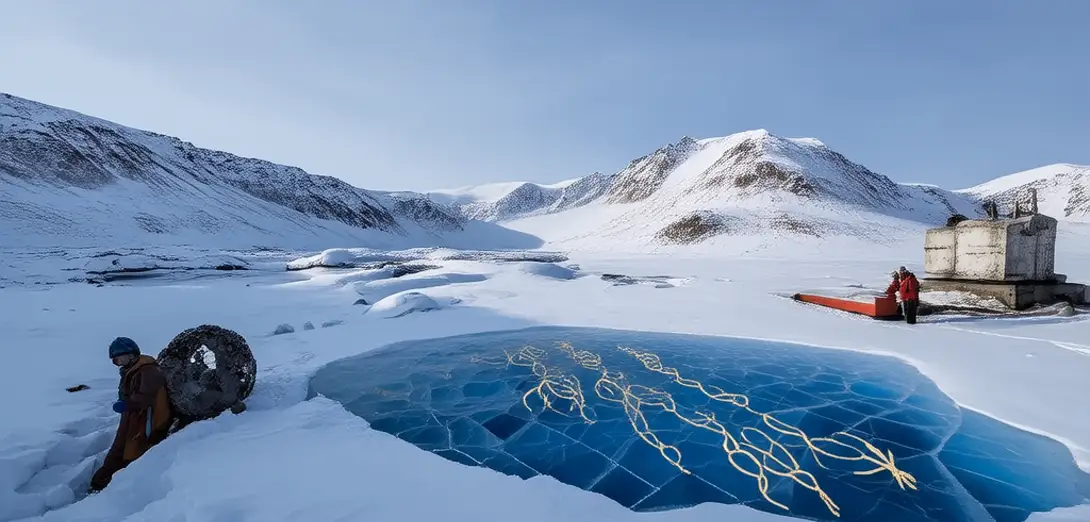
The Kola Peninsula Permafrost Archives: Microbial Time Capsules, Soviet Mining Relics, and Arctic Data Sovereignty
科拉半岛永久冻土档案:微生物时间胶囊、苏联采矿遗迹与北极数据主权
-
Beneath Khibiny Mountains’ permafrost lies a microbial archive preserving RNA fragments from 1950s Soviet uranium processing microbes—now studied for bioremediation potential.希比内山脉永久冻土层下埋藏着一个微生物档案库,保存着20世纪50年代苏联铀加工微生物的RNA片段——现正被研究其生物修复潜力。
-
Abandoned nickel smelters emit residual heat that creates localized thaw bulbs, transforming frozen ground into unintended microbial incubators with distinct genomic profiles.废弃镍冶炼厂释放的余热形成局部融 thaw 区,将冻土转化为非预期的微生物培养温床,并呈现出独特的基因组特征。
-
Russian scientific legislation now classifies permafrost core metadata as ‘strategic geological intelligence’, restricting foreign access to sequencing results from Kola boreholes.俄罗斯科研立法现已将永久冻土岩芯元数据列为‘战略性地质情报’,限制外国获取科拉钻孔测序结果。
-
Sámi reindeer herders identify thaw-sensitive terrain not via satellite imagery but by observing lichen discoloration patterns linked to subsurface microbial activity.萨米驯鹿牧民不依赖卫星图像,而是通过观察地衣变色模式来识别易融地形——该模式与地下微生物活动相关。
-
EU-funded cryo-drilling projects require joint permitting from Murmansk Oblast authorities and the Kola Sámi Assembly, establishing co-custodianship of subterranean data.欧盟资助的冰川钻探项目须同时获得摩尔曼斯克州当局和科拉萨米议会联合许可,确立对地下数据的共同管护权。
-
Permafrost degradation maps now overlay Soviet-era mine shaft locations with contemporary methane emission hotspots, revealing infrastructure-induced climate feedback loops.永久冻土退化地图如今叠加了苏联时期矿井位置与当代甲烷排放热点,揭示基础设施引发的气候反馈回路。
-
Arctic Council working groups debate whether microbial genetic sequences extracted from Kola cores constitute ‘indigenous bioheritage’ under UNDRIP provisions.北极理事会工作组正就科拉岩芯中提取的微生物基因序列是否构成《联合国土著人民权利宣言》(UNDRIP)所指‘原住民生物遗产’展开辩论。
-
Field labs use portable CRISPR diagnostics to detect ancient antibiotic resistance genes—information vital for pharmaceutical development but ethically fraught.野外实验室使用便携式CRISPR诊断技术检测古老抗生素耐药基因——该信息对制药研发至关重要,但伦理风险突出。
-
Geopolitical risk assessments increasingly factor in ‘cryo-sovereignty’: control over frozen data repositories as critical infrastructure in warming regions.地缘政治风险评估日益纳入‘冻土主权’概念:即对冻结数据存储库的控制权,被视为升温地区的关键基础设施。
-
Indigenous knowledge protocols mandate that microbial strain names include Sámi toponyms—e.g., ‘Pseudomonas khibinyensis’ becomes ‘P. guovdageaidnu’—asserting linguistic ownership of discovery.原住民知识规范要求微生物菌株命名须包含萨米地名——例如‘希比内假单胞菌’(Pseudomonas khibinyensis)更名为‘古夫达盖杜努假单胞菌’(P. guovdageaidnu),以申明发现成果的语言所有权。
-
Scientific publications now feature dual authorship: lead researchers alongside Sámi knowledge holders credited for ‘permafrost interpretation frameworks’.学术论文如今实行双作者制:首席研究人员与萨米知识持有者并列署名,后者因贡献‘永久冻土解读框架’而获正式致谢。
-
This frozen archive reframes the Arctic not as blank space awaiting exploitation but as densely layered epistemic territory demanding pluriversal stewardship.这座冰封档案库重新定义北极——它并非等待开发的空白之地,而是知识层叠的表征疆域,亟需多元共治的守护方式。