正在确认阅读权限…
Climate Justice and Geographic Disparity: Whose Vulnerability Counts?
气候正义与地理差异:谁的脆弱性被计入?
-
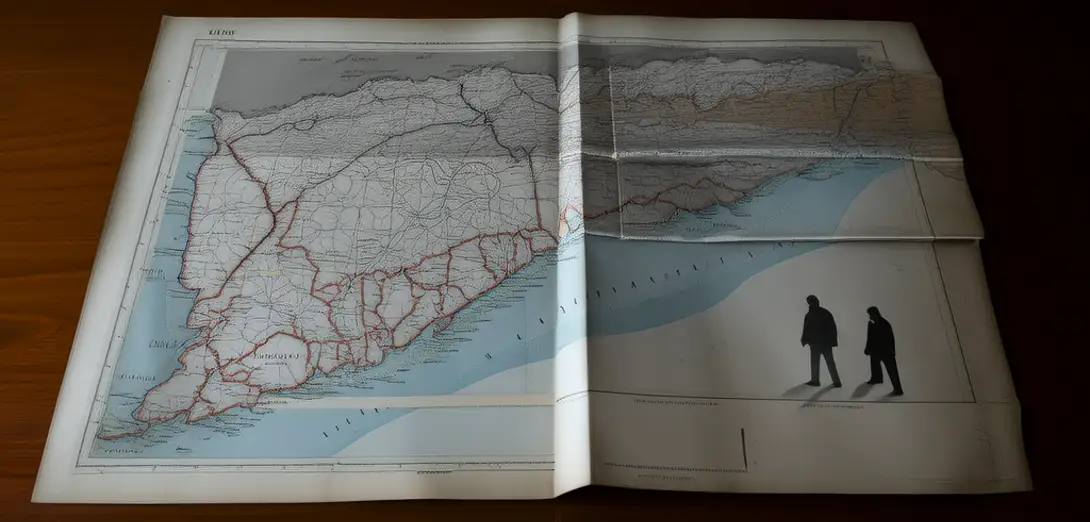
Climate vulnerability maps often obscure structural inequities by treating exposure as neutral, rather than embedded in colonial land tenure or infrastructural neglect.气候脆弱性地图常将暴露风险视为中立,掩盖了殖民土地制度或基础设施忽视等深层不平等。
-
Small island states contribute less than 1% of global emissions yet face existential threats requiring adaptation finance far exceeding current pledges.小岛屿国家全球排放占比不足1%,却面临生存威胁,其适应资金需求远超当前承诺。
-
Urban heat islands in cities like Karachi or Lagos intensify mortality during heatwaves, disproportionately affecting informal settlement residents.卡拉奇、拉各斯等城市的热岛效应加剧热浪致死率,非正规住区居民首当其冲。
-
Insurance markets price risk geographically, yet exclude millions from formal coverage due to unregistered property or lack of historical loss data.保险市场按地理区位定价风险,却因产权未登记或缺乏历史损失数据,将数百万人排除在正式保障之外。
-
Indigenous fire management practices in Australia or Canada are now integrated into national wildfire response—revising decades of centralized, top-down doctrine.澳大利亚和加拿大的原住民火灾管理实践已纳入国家野火应对体系,颠覆了数十年来集中化、自上而下的传统教条。
-
Transboundary water agreements, such as those governing the Nile or Indus basins, reveal how climate stress reshapes diplomatic power asymmetries.尼罗河、印度河流域等跨境水协议表明,气候压力正重塑外交权力不对称格局。
-
Migration driven by desertification or salinization rarely appears in ‘refugee’ statistics, leaving affected populations legally invisible and unsupported.由荒漠化或盐渍化驱动的迁移极少被纳入‘难民’统计,致使受影响人群在法律上隐形且得不到支持。
-
Carbon accounting frameworks increasingly incorporate spatially explicit metrics—like soil carbon density or forest fragmentation indices—to assign responsibility fairly.碳核算框架日益纳入空间明确指标——如土壤碳密度、森林破碎化指数——以更公平地界定责任。
-
Grassroots GIS collectives in Bangladesh document saline intrusion rates, producing counter-maps that influence national adaptation planning.孟加拉国基层GIS协作组织监测盐水入侵速率,绘制出影响国家适应规划的替代性地图。
-
True climate justice requires geography not as backdrop, but as contested terrain where rights, memory, and resilience intersect.真正的气候正义要求地理不仅是背景,更是权利、记忆与韧性交汇的 contested 地域。